
Croatia cruise mistakes often begin before you ever step aboard the ship. The Adriatic looks effortless in photographs, with blue water, stone towns, and small vessels sliding between islands. The reality involves far more choices than those images suggest.
Ship size changes the entire experience. Cabin location, onboard meals, swimming stops, port access, excursions, and evening schedules can vary dramatically. Two cruises visiting the same islands may feel almost nothing alike.
That is where many travelers get caught. They book the prettiest itinerary without understanding how the ship actually operates each day. A beautiful route can still feel wrong if the pace, cabin, or excursion style does not suit you.
This guide covers the mistakes worth avoiding before you commit. We will look at cruise type, itinerary pacing, cabins, excursions, timing, ports, packing, and embarkation logistics. Getting those choices right can make the difference between simply seeing Croatia and genuinely enjoying it.
Mistake #1: Assuming Every Croatia Cruise Offers the Same Experience
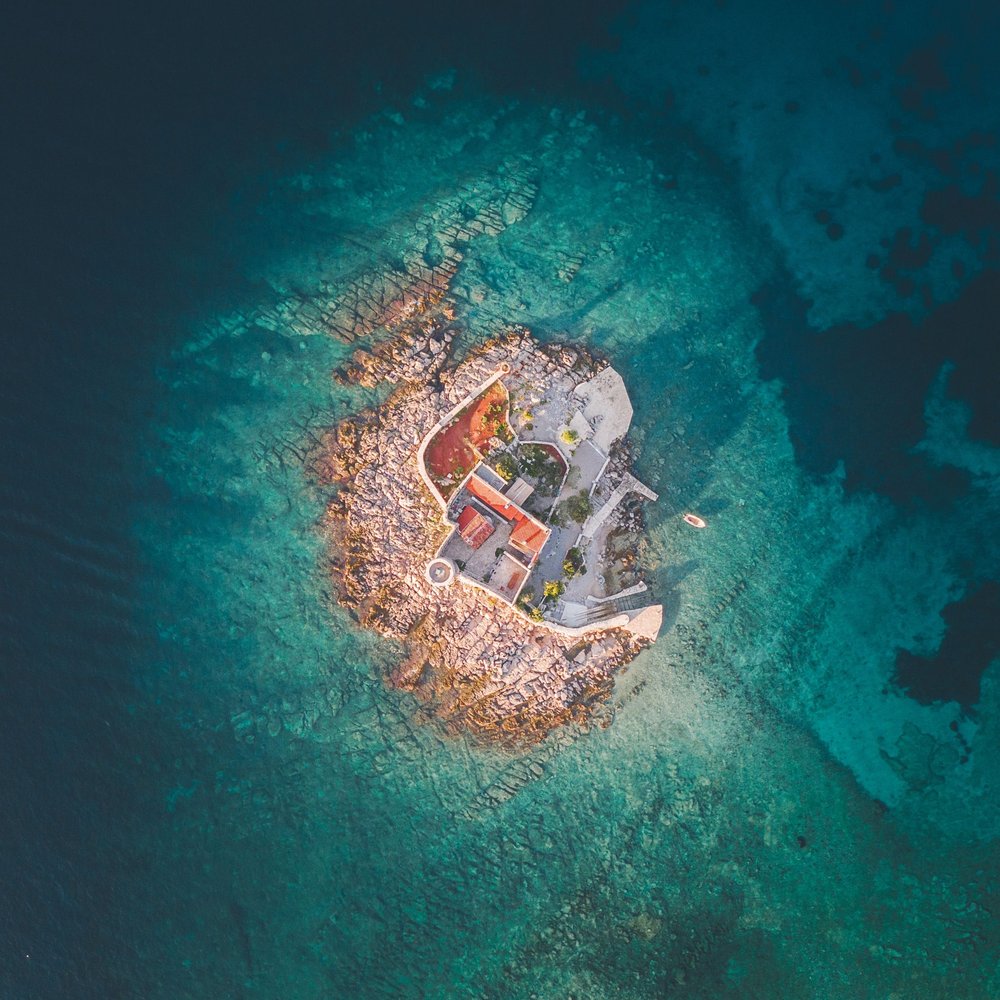
One of the biggest Croatia cruise mistakes is assuming every sailing delivers roughly the same vacation. A small ship, large ocean vessel, yacht-style cruise, and independent island trip can feel completely different. The itinerary map rarely tells you enough.
Passenger count changes the atmosphere immediately. Port access, swimming stops, dining choices, entertainment, excursions, and evening freedom can also vary widely. Even two ships visiting Hvar and Dubrovnik may deliver very different days.
Large ocean ships usually offer more restaurants, entertainment, facilities, and onboard activity. Smaller Croatian vessels typically shift attention toward islands, swimming, coastal towns, and time ashore. Yacht-style sailings may feel even more relaxed and intimate.
Choose the travel style before comparing prices. Decide how much entertainment, structure, independence, service, and destination time you want. Only then should you compare individual ships and routes.
Small-Ship Cruising Is Very Different From a Traditional Ocean Cruise
A Croatia small-ship cruise usually makes the destination the main attraction. Days often include scenic sailing, swimming stops, small ports, and plenty of time ashore. Evening entertainment may simply mean dinner in town and a waterfront walk.
That simplicity appeals to many empty nester couples. You unpack once while the ship carries you between islands and coastal towns. Yet you should understand what you are giving up.
Smaller ships may have compact cabins and fewer dining choices. Many lack theaters, casinos, large spas, elevators, and elaborate entertainment schedules. Anyone expecting a miniature version of a major cruise ship may feel disappointed.
The tradeoff is access and atmosphere. Boutique vessels can visit places larger ships cannot approach as easily. You also spend considerably less time navigating a floating resort.
If this style sounds appealing, read What Is a Croatia Small-Ship Cruise?. It explains what daily life aboard these smaller vessels actually looks like. That distinction matters before you fall in love with an itinerary.
Independent Island Hopping Gives You More Freedom but More Work
Independent island hopping gives you tremendous control. You choose how many nights to spend in Split, Hvar, Korčula, Dubrovnik, or somewhere quieter. Nobody determines when you must leave except your ferry reservation.
That freedom comes with logistics. Every move means checking out, handling luggage, reaching the port, boarding another ferry, and finding your next accommodation. After several transfers, those little tasks begin adding up.
A small-ship cruise removes much of that friction. You can visit several islands while sleeping in the same cabin each night. The ship effectively becomes your transportation and hotel.
Independent travelers gain more control over restaurants, hotels, and island time. Cruise travelers gain simplicity and usually spend less vacation time moving luggage. Neither approach is automatically better.
If you choose independent travel, use Jadrolinija to check current ferry schedules and routes. Transportation frequencies can vary by season. That one detail can determine whether your carefully planned island sequence actually works.
Mistake #2: Choosing the Cruise by the Number of Ports
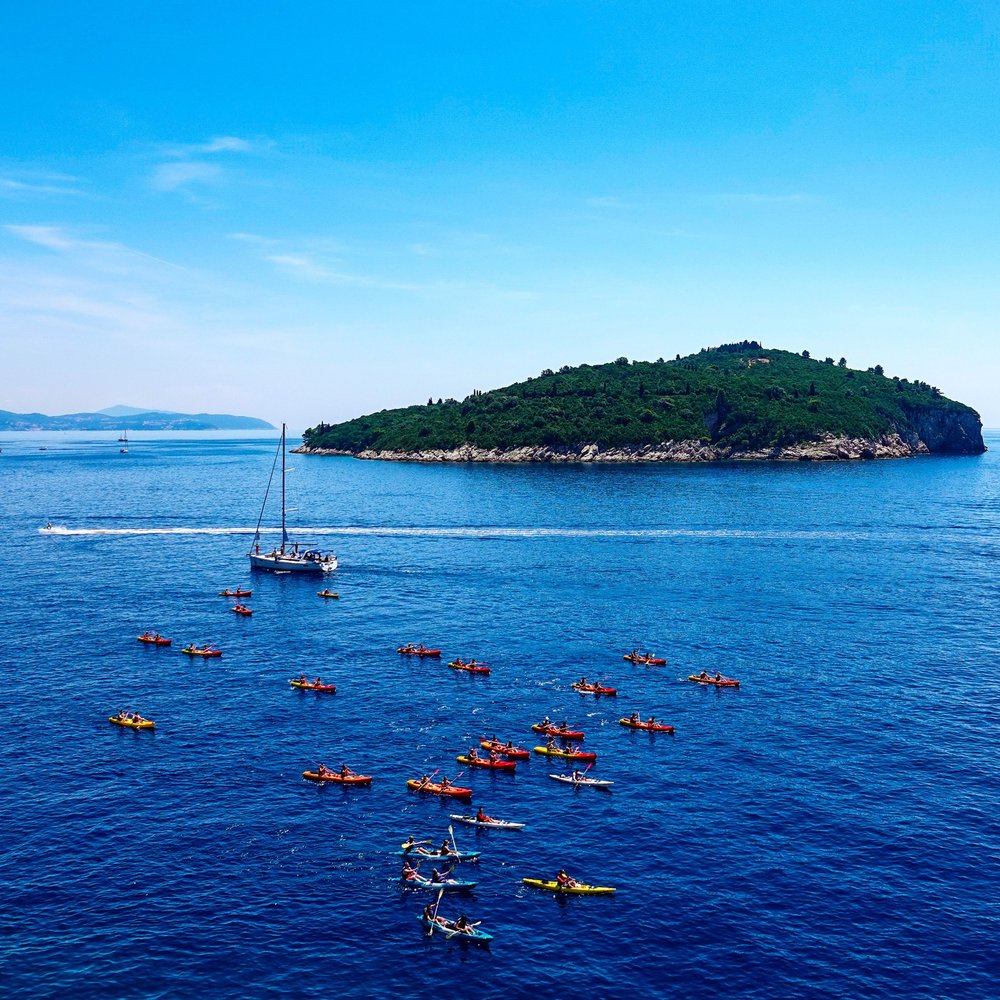
One of the easiest Croatia cruise mistakes is assuming more islands automatically means a better itinerary. A longer port list can look impressive, especially beside names like Hvar, Korčula, Dubrovnik, and Vis. But quantity can quietly steal the thing you actually came for, time.
Short daytime calls may give you enough hours for a guided walk and a quick lunch. Longer stays can add swimming, relaxed meals, wineries, waterfront evenings, and time to wander without watching the clock. Those experiences create very different memories.
Split, Hvar, Korčula, Dubrovnik, Mljet, Vis, and Brač each deserve more than a quick photo stop. Their appeal comes from atmosphere as much as landmarks. Rushing through them can make beautiful places feel strangely interchangeable.
More Islands Can Mean Less Time Experiencing Croatia
Frequent arrivals and departures can make a gorgeous itinerary feel surprisingly busy. You unpack less on a cruise, but you can still spend days mentally racing toward the next stop. That pace wears differently after several consecutive port days.
Compare six quick visits with four longer ones. The slower version may include a swim, a winery, an unhurried lunch, and a quiet walk after dinner. Suddenly, fewer ports can create more actual Croatia.
This is where many couples get caught. They study the destination list but ignore arrival and departure times. A port name tells you where the ship goes, not how much life you get there.
For a useful comparison, read Croatia Island-Hopping for Couples Over 50. The same islands can feel completely different depending on how quickly you move between them. That lesson applies directly to cruise planning.
Pay Attention to Where the Ship Is During the Evening
Evenings can reveal a different side of Croatia. Day visitors thin out, stone streets quiet down, and waterfront restaurants settle into a slower rhythm. That change can make a port feel entirely new.
Ships staying late or overnight give you more freedom. You can dine ashore, walk after sunset, and enjoy towns after peak daytime activity fades. Early departures remove that opportunity.
Check the schedule carefully. Confirm which ports allow evening access and when you must return aboard. Tenders, gangways, and ship operations can all affect how flexible the evening really is.
Dubrovnik especially rewards this attention. The Port of Dubrovnik Authority publishes current port information and vessel details. Understanding the port schedule can help you anticipate when the city may feel busiest or calmer.
Mistake #3: Booking a Cabin Before Understanding the Ship
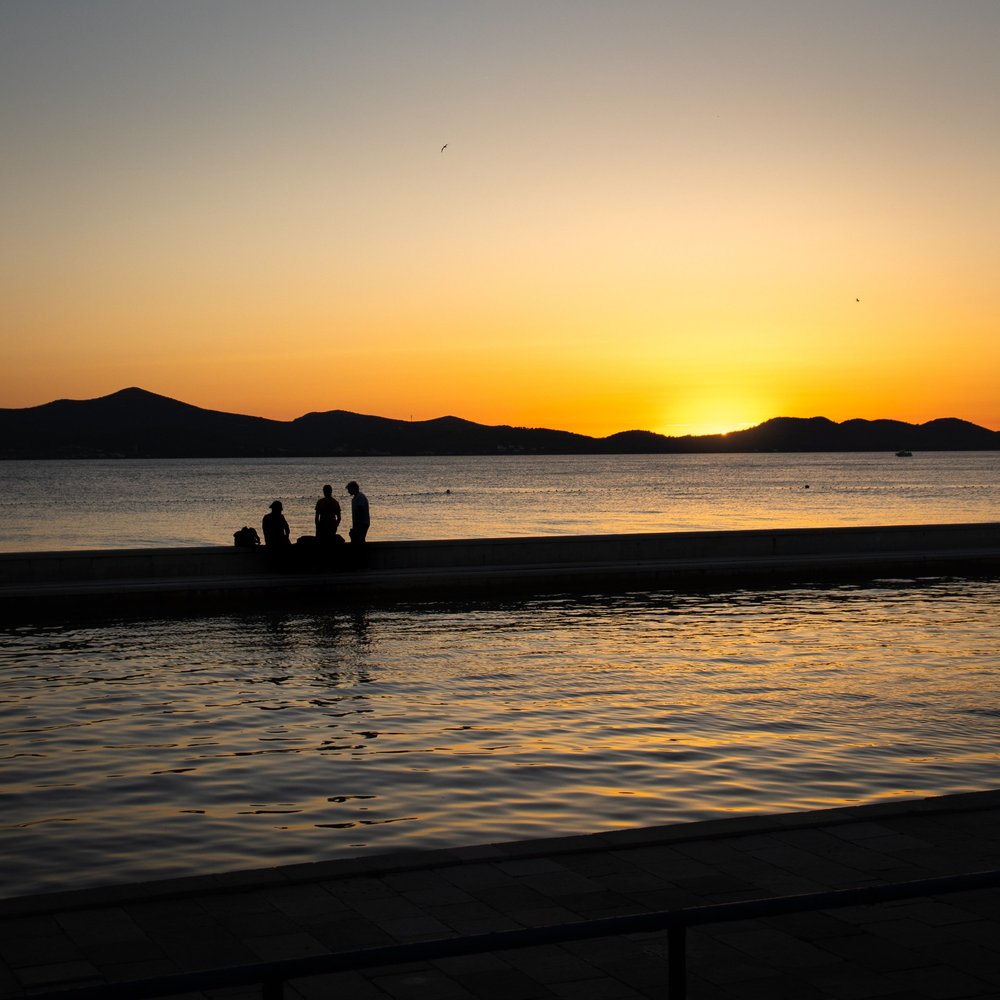
Cabin photos can make every option look calm, spacious, and perfectly placed. What they rarely show is the staircase outside your door. They also hide engine vibration, narrow bathrooms, limited storage, and long walks to common areas.
Deck location matters more than many travelers expect. Lower-deck cabins may feel quieter or more stable, but windows and access can differ. Upper decks can offer better views, yet they may involve more stairs and exposure to public areas.
Before choosing a category, study the actual deck plan. Check cabin dimensions, bed setup, bathroom layout, storage, and distance from dining spaces. That research can protect your comfort far better than choosing the prettiest cabin photo.
For couples who value comfort and thoughtful pacing, Why Croatia Is Perfect for Empty Nesters explores why those details matter. The right ship should support your trip, not make you work around it.
The Most Expensive Cabin Is Not Automatically the Best Cabin
Premium cabins can look like the obvious choice. Sometimes they are. Other times, location matters far more than extra square footage or upgraded décor.
An upper-deck cabin may provide better views and easier outdoor access. It can also sit near a bar, stairwell, dining room, or busy passageway. A quieter lower cabin may actually give you better sleep.
Ask specific questions before booking. Can the beds convert, and does the bathroom have an enclosed shower? Is there reliable climate control and enough storage for a longer trip?
Also ask about nearby mechanical spaces. Engine vibration or crew activity can affect certain cabins more than others. Those details rarely appear in glossy brochures.
Mobility Questions Matter More on Small Ships
Smaller Croatian vessels can feel intimate and charming. They can also include steep stairs, narrow passageways, high thresholds, and limited elevator access. Boarding arrangements may vary from one port to another.
That matters if knees, balance, or uneven surfaces already influence your travel choices. Ask how you reach the dining room, sun deck, swim platform, dock, and tender boats. Do not assume “accessible” means the same thing on every ship.
Be specific about your needs before paying a deposit. Describe stairs, walking limits, balance concerns, or difficulty stepping across gaps. A clear conversation now can prevent daily frustration later.
The best cabin is not simply the largest one you can afford. It is the cabin that fits your comfort, mobility, sleep, and daily routine. That is a much smarter definition of luxury.
Mistake #4: Filling Every Port Day With an Excursion
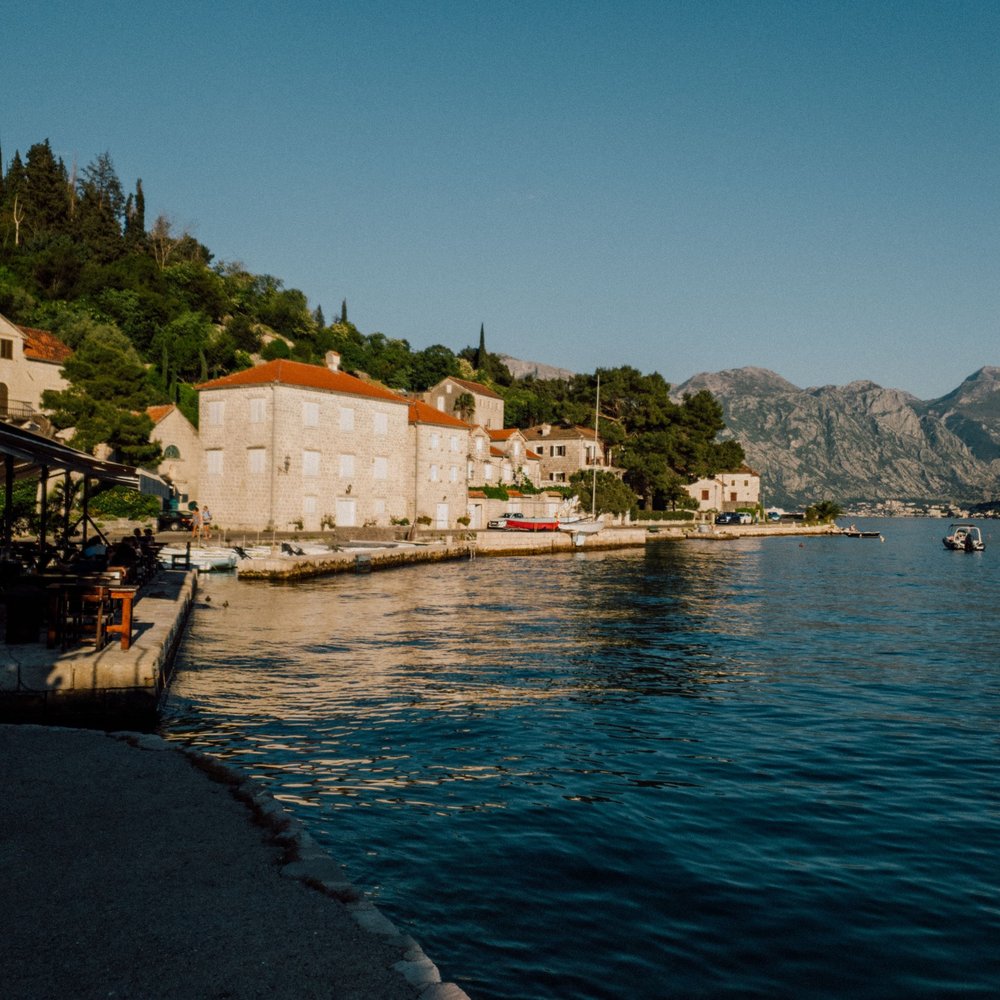
Croatia cruise mistakes often come from trying to schedule every available hour ashore. Historic centers, cafés, markets, beaches, and waterfronts rarely require constant organized touring. Sometimes the better plan leaves room to wander.
That does not mean skipping guides. A strong guide can explain history, provide local context, and handle transportation you would rather avoid. The problem starts when every port becomes another seven-hour excursion.
Choose tours that add something you cannot easily create yourself. Then protect several hours for lunch, shopping, swimming, or simply following an interesting street. Croatia becomes more memorable when every hour does not belong to somebody else’s schedule.
For couples drawn to Croatia’s history, Experience a Croatia Historical Tour in Luxury explores how thoughtful guiding can deepen the experience.
Use Guides Where They Add Real Context
Dubrovnik becomes more interesting when someone explains what those polished limestone streets have witnessed. UNESCO recognizes its Old City for its exceptional historic urban fabric and architecture. UNESCO’s Dubrovnik overview provides useful historical background.
A Dubrovnik Shore Excursion with Cable Car combines guided Old Town sightseeing with views from Mount Srđ. The experience lasts about three hours, leaving room for independent exploration afterward.
Split offers a similar opportunity. The Diocletian Palace and Split Old Town Walking Tour starts near the cruise port and explores the historic center.
Shorter guided introductions often work beautifully. You gain context first, then revisit whatever caught your attention. That balance feels far better than watching Croatia disappear through a bus window.
Do Not Overlook Experiences Beyond the Famous Old Towns
Hvar offers much more than its glamorous harbor. Villages, vineyards, olive groves, beaches, and inland landscapes reveal another side of the island. Staying only near the waterfront can leave much of Hvar unseen.
A private experience can make that exploration easier. You control the pace, avoid larger groups, and spend longer where something genuinely interests you. That flexibility matters when your ship’s schedule still controls the day.
The Hvar Island Private Tour and Olive Oil Tasting explores beyond Hvar Town and includes a local olive oil experience.
Compare that with another full day of conventional sightseeing. One gives you more landmarks. The other may give you a stronger sense of the island itself.
Mistake #5: Choosing Dates Without Understanding Croatia’s Cruise Season
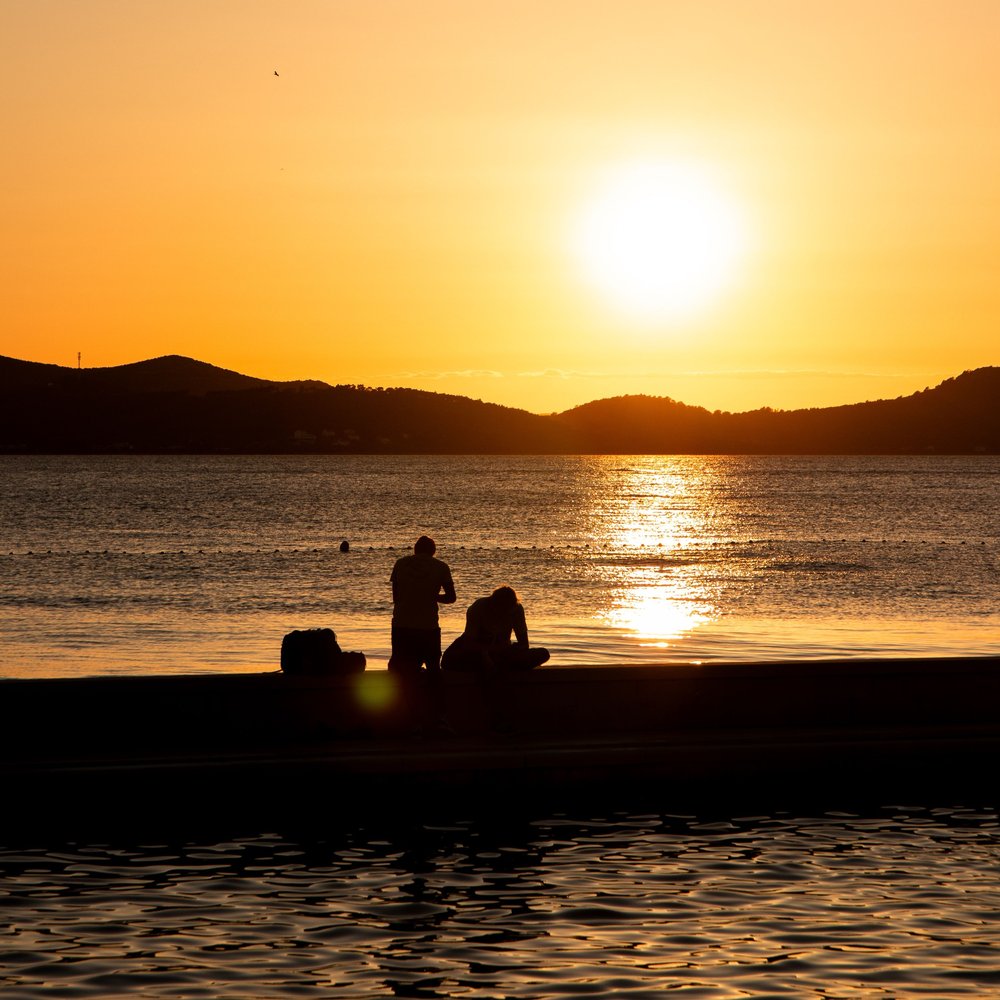
One of the most common Croatia cruise mistakes is assuming midsummer automatically gives you the best experience. It certainly gives you the warmest, busiest version. That does not mean it gives you the best fit.
Late spring, peak summer, September, and October each create different cruising conditions. Temperatures, daylight, swimming comfort, crowd levels, and weather all shift. Port atmosphere changes right along with them.
June and September often appeal to couples who want both activity and breathing room. July and August bring stronger summer energy, but also more heat and congestion. October feels quieter and less predictable.
Choose dates around how you want the trip to feel. That matters more than simply chasing the warmest possible weather.
July and August Can Be Wonderful but Intense
Peak summer delivers the full Adriatic experience. Swimming feels inviting, ports stay lively, and long daylight stretches the day. Restaurants, tours, and coastal activity operate at full strength.
The tradeoff is intensity. Dubrovnik and Split can feel crowded, especially during popular arrival windows. Heat also makes long walking days harder.
Popular excursions may sell out earlier. Restaurant reservations become more important. Even simple plans can require more advance coordination.
The smartest approach is to work with the season. Sightsee early, enjoy the ship during midday, then head back ashore later. Swimming stops also become a welcome break from the heat.
June and September Often Provide a Better Balance
June usually brings warm weather, active ports, and increasingly comfortable swimming. September offers similar advantages after peak summer pressure begins easing. Both can feel more relaxed than July or August.
That balance matters in walking-heavy destinations. Dubrovnik, Split, and island towns become easier to explore when the heat feels less aggressive. You can combine sightseeing with swimming instead of choosing one.
September often feels especially appealing for empty nester couples. The sea remains warm, coastal activity continues, and crowds usually begin thinning. June delivers a similar benefit before peak season fully arrives.
Weather always remains variable. Cruise schedules, seasonal businesses, and individual experiences can also change by date. Check the exact sailing period before assuming shoulder season works the same every week.
Mistake #6: Treating Embarkation and Disembarkation Days Like Regular Cruise Days
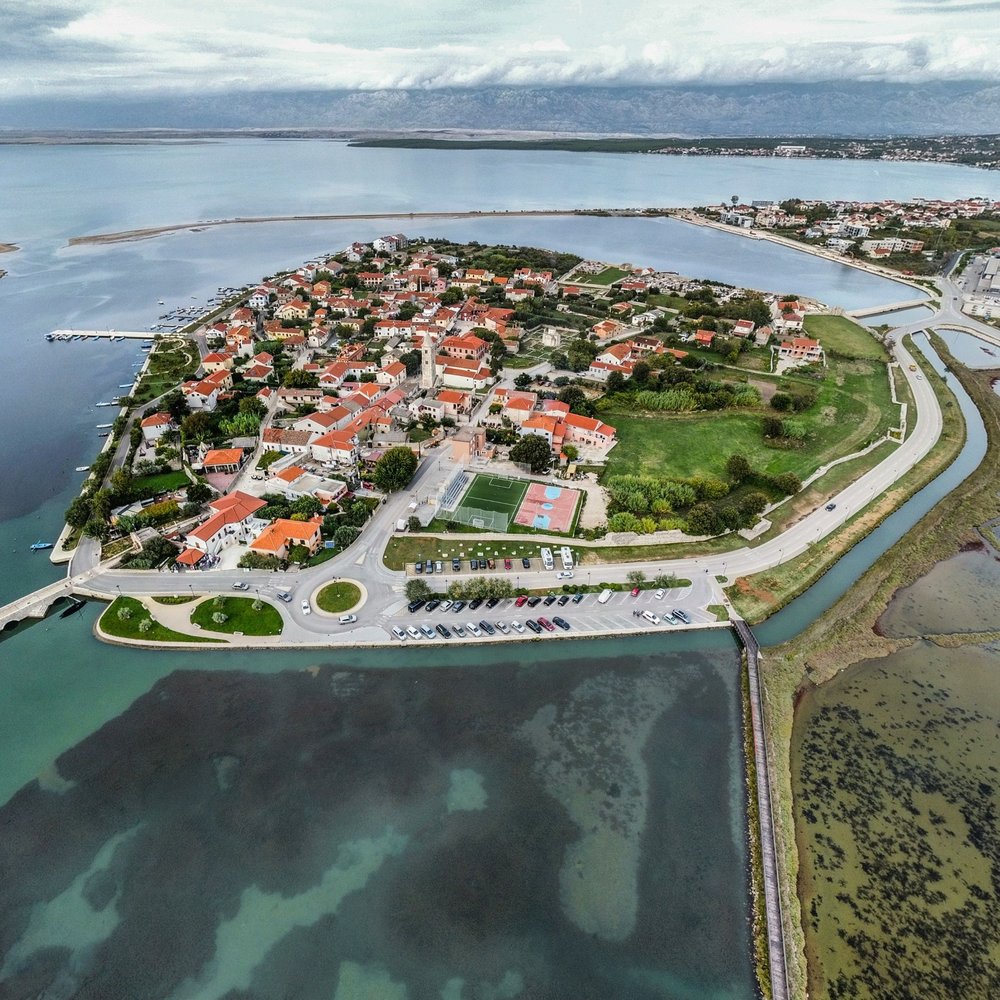
Some Croatia cruise mistakes begin before the ship ever leaves port. Same-day international arrivals create unnecessary pressure when flights, luggage, transfers, and boarding times all need to cooperate. Travel rarely respects your ideal schedule that neatly.
Arriving early gives you breathing room. One or two nights before sailing can absorb delays, reduce jet lag, and simplify embarkation day. It also lets Split or Dubrovnik become part of the vacation instead of a transit point.
The same logic applies after disembarkation. Avoid stacking a complicated transfer or tight international flight immediately after leaving the ship. A calmer final night can protect the ending of the trip.
Arriving in Croatia the Same Day Your Cruise Leaves Creates Avoidable Risk
A delayed flight can quickly become more than an inconvenience. Missed connections, baggage problems, and transfer delays can threaten embarkation when no buffer exists. That is a stressful way to begin a vacation.
Compare that with arriving two nights early. You can recover from the flight, adjust to local time, and handle any luggage issue calmly. More importantly, you can actually enjoy the city.
Pre-cruise time also reduces pressure later. You can explore Split or Dubrovnik before sailing instead of forcing everything into short port calls. That creates a much more relaxed cruise experience.
If you are still deciding between destinations, Croatia or the Greek Islands can help clarify which style fits you best. The comparison matters most when your available time is limited.
Know Exactly Where Your Ship Arrives and Departs
Do not assume “Split” tells you enough. Confirm the actual terminal, dock, boarding window, transfer time, and embarkation instructions. Those details matter more than the city name.
Croatian ports can become busy during peak season. Cruise ships, ferries, transfers, and local traffic may all compete for space. A short-looking transfer can take longer than expected.
Check current information through the Split Port Authority before departure. Berth assignments and vessel schedules can change. Build enough flexibility so a last-minute adjustment does not become a crisis.
That small amount of preparation pays off. You start and finish the cruise with less pressure. And that usually means you remember the trip for Croatia, not the logistics.
Choose the Croatia Cruise That Fits How You Want to Travel
The biggest Croatia cruise mistakes usually start with choosing the wrong style of trip. A beautiful itinerary means little if the pace, cabin, ship, or excursion schedule frustrates you. The daily experience matters more than the brochure.
Look closely at port times, ship layout, mobility demands, season, and excursion choices. Avoid filling every day simply because something is available. Better pacing often creates a better cruise.
The strongest sailing fits your comfort, interests, energy, and preferred level of independence. Some couples want more structure, while others want freedom ashore. Neither choice is wrong when it matches how you actually enjoy traveling.
If Croatia is starting to feel like your next trip, start planning with Empty Nester Getaways. We can help you compare ships, routes, cabins, timing, and cruise styles before you commit. The goal is to choose the experience that fits you, not simply the one with the longest port list.
Still comparing ideas? Join our Facebook group, Luxury Travel by Eric: Empty Nester Couples Vacations. You can ask questions, see how other empty nesters approach Croatia, and get new ideas before booking. Sometimes one good conversation reveals what glossy cruise pages leave out.
P.S. Want to dig a little deeper into Croatia? These may help:
- Croatia Food and Wine Experiences: What to Eat, Drink, and Taste — Discover some of the foods, wines, and local flavors worth seeking out while you’re traveling through Croatia.
- Best Time to Visit Croatia — Learn how Croatia changes throughout the year and which months may make the most sense for the kind of trip you want.

Leave a Reply