
Tuscany sells a very particular dream, and frankly, it deserves most of the attention. Renaissance masterpieces fill Florence, while vineyards and cypress-lined roads unfold beyond the city. Long lunches stretch into afternoons, and evenings finally feel like they belong to you.
The surprise comes when you realize Tuscany is not one compact destination. The region covers nearly 9,000 square miles and includes ten provinces. Choosing the wrong base can quietly turn beautiful days into hours spent packing, driving, and checking into hotels.
For most couples planning their first Tuscany trip, five to seven days creates a comfortable starting point. I would combine Florence with one countryside base and stop there. A third hotel usually adds more logistics than enjoyment.
That approach gives you two very different versions of Tuscany without constantly moving your luggage. Florence delivers art, architecture, markets, restaurants, and extraordinary history within a walkable city. The countryside gives you vineyards, hill towns, quiet roads, and lunches nobody needs to rush.
Transportation matters, but pace matters even more. The official Tuscany trip-planning resources can help you understand how the region connects. Your itinerary should then reflect your priorities, energy, and tolerance for spending vacation time inside a car.
Many couples make the same understandable mistake. They treat Tuscany like a collection of towns that must somehow fit onto one itinerary. That approach photographs well on paper and often feels exhausting by Thursday.
You have waited years for the freedom to travel differently. This is the moment to choose depth over another hotel key. Our guide to why doing less can create a better luxury trip explores that idea further.
So, how many days in Tuscany should you actually plan? Start with five to seven days, Florence, and one countryside base. Then decide whether you want culture, countryside, or a balanced taste of both.
Start With the Tuscany Trip You Actually Want
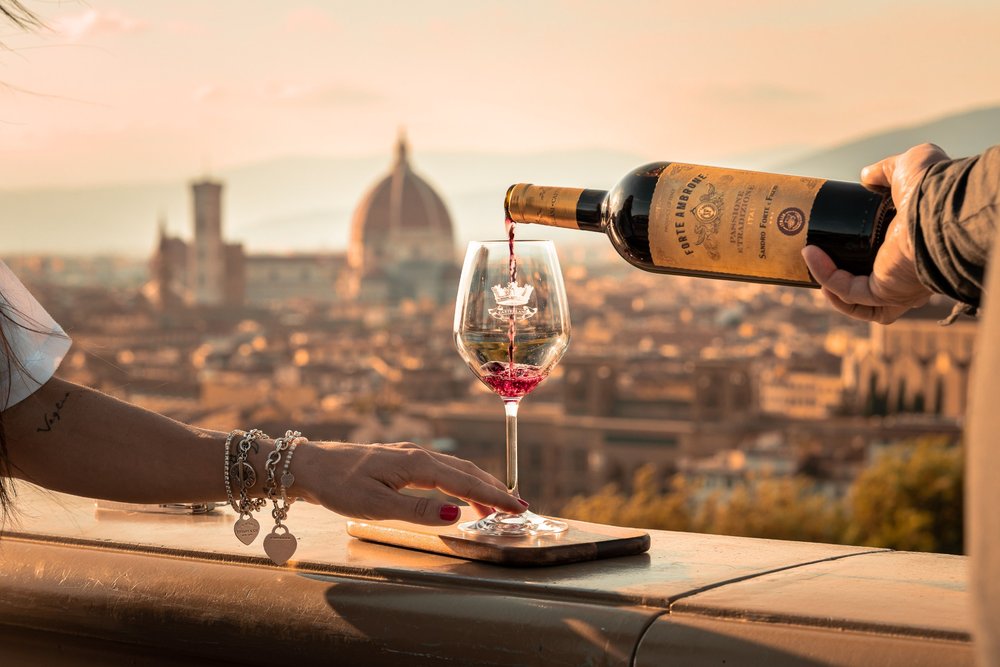
Before choosing hotels, rental cars, or vineyard reservations, decide what you actually want Tuscany to feel like. That question sounds obvious, but many couples skip it. They start collecting famous places until the trip becomes a very expensive scavenger hunt.
A first trip to Tuscany can center on Renaissance art, remarkable food, countryside quiet, wine, historic towns, or some combination. Those choices create very different itineraries. Your best trip begins when both of you agree on what deserves the most time.
Tuscany Is a Region, Not a Single Destination
Tuscany is not one experience stretched across a pretty landscape. Florence, Siena, Chianti, Val d’Orcia, Lucca, Pisa, and the coast each offer something distinct. The official Visit Tuscany destination guide shows just how varied the region becomes.
Florence rewards couples who enjoy museums, architecture, restaurants, walking, and energetic city days. A countryside stay shifts everything toward vineyards, villages, scenic drives, and slower meals. Neither approach represents the “real” Tuscany more than the other.
Seven nights could mean four nights in Florence and three somewhere quieter. Another couple might remain in Florence and use private guides for selected countryside day trips. Both approaches work because the structure follows the travelers rather than somebody else’s checklist.
What rarely works well is assuming one Tuscany hotel conveniently reaches everything. Distances, winding roads, parking, and drive times quickly expose that idea. Decide whether you want cultural intensity, rural quiet, or an intentional combination before choosing your base.
A Two-Minute Tuscany Fit Check
Try this separately before comparing answers. How important are art, regional food, wine, countryside scenery, comfortable walking, and independent driving? Then ask how many hotel changes you genuinely tolerate before packing becomes annoying.
Tuscany usually fits couples who enjoy culture, historic towns, regional cooking, beautiful landscapes, and discovery at a measured pace. You do not need to love wine. However, curiosity about local life matters considerably more than racing between attractions.
Couples wanting beaches, late-night energy, or minimal ground transportation may prefer another Italian region. Anyone still debating coastline versus countryside should compare the Amalfi Coast and Tuscany experience before committing.
Finally, each partner should choose three feelings they want from the trip. Consider inspired, restored, curious, indulged, connected, or simply unhurried. Those answers will quietly determine how many days, bases, and scheduled experiences your Tuscany trip actually needs.
How Many Days in Tuscany Will Feel Like a Vacation?
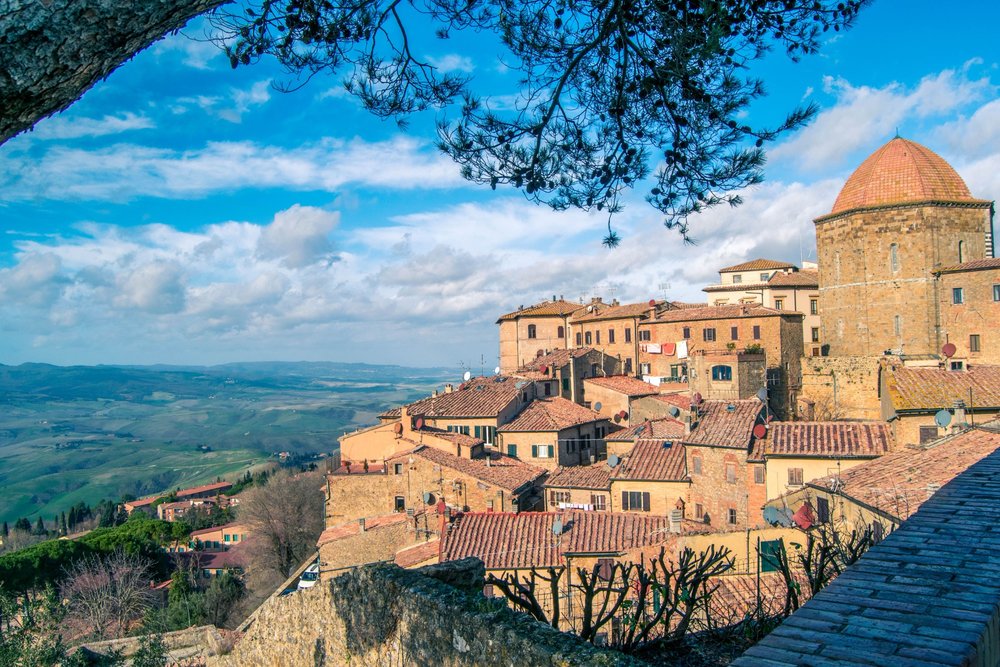
The right Tuscany trip length depends less on ambition and more on how you want each day to feel. More nights create options, but more stops usually create logistics. For most couples, the sweet spot appears before the itinerary starts feeling like work.
The Short Answer: Five to Seven Days for Most First Trips
Five to seven days in Tuscany usually gives first-time visitors enough room for Florence and one countryside base. You can add selected excursions without packing every other morning. That balance preserves both variety and breathing room.
With three days, choose one base and accept that Tuscany will only introduce itself. Five nights can support three Florence nights and two countryside nights. Seven nights comfortably allows three in Florence and four among vineyards, villages, and open landscapes.
Ten days changes the conversation because you can explore more deeply without increasing the pace. Smaller towns, winery visits, cooking experiences, and quieter afternoons become easier to protect. You may even leave an entire morning unscheduled, which feels surprisingly luxurious.
You also gain permission to skip something. Lucca, Pisa, Montalcino, or the coast can wait for another journey. Italy will still be there, despite what your saved Instagram posts suggest.
That restraint often creates better memories than another rushed transfer. Our guide to why slower travel feels better after 50 explains why fewer stops can feel surprisingly richer. Before adding another town, ask how many hotel changes you actually enjoy.
One Base or Two?
For four nights or fewer, one base usually makes the most sense. Between five and nine nights, most couples should consider no more than two. Florence and the countryside solve different planning problems without turning the trip into constant relocation.
Three hotels may look wonderfully varied while you build the itinerary. In reality, each move requires packing, checkout, transportation, luggage handling, and another check-in. Those ordinary tasks quietly consume hours you expected to spend enjoying Tuscany.
Two thoughtful bases give you something more valuable than another hotel address. You gain familiar streets, easier mornings, and fewer conversations about where somebody packed the phone charger. By the third morning, even recognizing your neighborhood café starts changing the trip.
Ask yourselves which sounds better. Would you rather wake somewhere new every two nights or feel briefly familiar somewhere beautiful? Doing less can create a better luxury trip because usable time matters more than destination count.
Once you know your preferred rhythm, choosing the right bases becomes much easier. Each Tuscany location offers different strengths. The next decision determines how much countryside, culture, and transportation your trip will actually require.
Choose the Season Before You Choose the Hotel
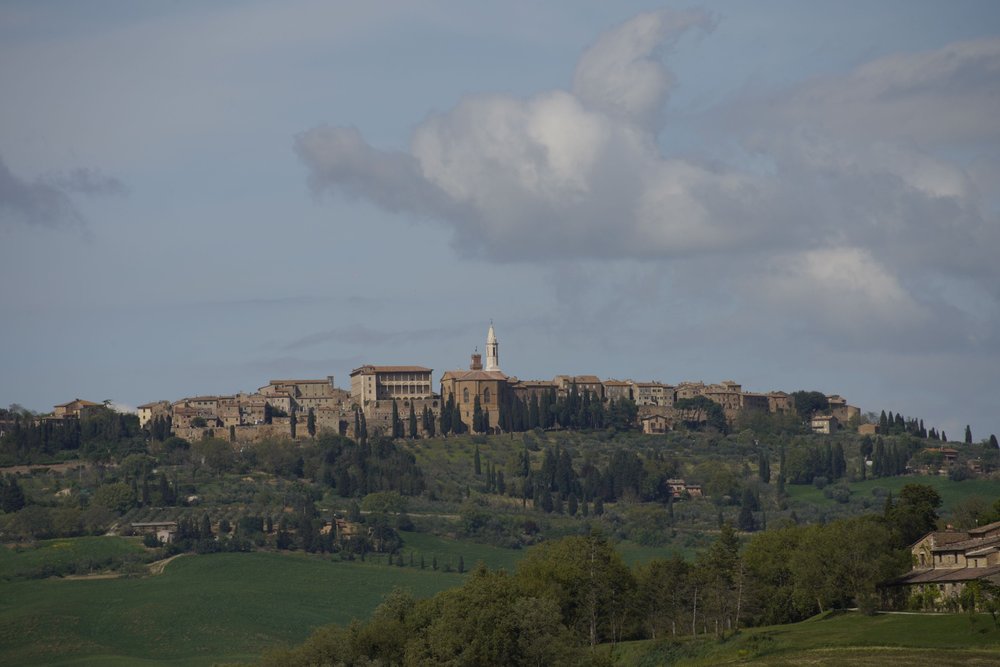
The best time to visit Tuscany depends on what you want from the trip. Weather matters, but crowds, daylight, scenery, and seasonal rhythms matter just as much. A perfect month for one couple may frustrate another.
Your real decision involves choosing the tradeoffs you can live with comfortably. Some travelers tolerate heat better than packed museums. Others happily carry an umbrella if Florence feels calmer afterward.
Spring, Summer, Autumn and Winter Feel Like Different Trips
Spring brings greener landscapes, longer days, flowers, and comfortable opportunities for outdoor exploring. May often delivers an appealing balance of scenery and moderate temperatures. Rain remains possible, so perfect weather never comes with the reservation.
Summer provides long daylight but also Tuscany’s strongest heat and heavier visitor numbers. A July Florence afternoon can turn museum hopping into an endurance event. Heat-tolerant travelers can still enjoy summer by planning demanding activities earlier.
Autumn shifts attention toward vineyards, seasonal food, and cooler countryside days. Late September can feel especially appealing for couples balancing outdoor exploration with cultural sightseeing. Harvest activity adds atmosphere, although popular areas hardly become deserted overnight.
Winter creates a quieter, more cultural version of Tuscany. Florence museums and restaurants can become the trip’s center while countryside options narrow. Shorter daylight and cooler temperatures simply require different expectations.
Shoulder season deserves consideration, but it offers no magical immunity from crowds, higher rates, or unpredictable weather. Our look at the hidden benefits of shoulder-season travel explains where the real advantages appear. Decide which compromise bothers you least before choosing dates.
Match the Calendar to the Experience
Start with what you most want to experience, then work backward toward the calendar. Spring suits couples craving green landscapes and comfortable outdoor days. Autumn attracts travelers interested in vineyards, seasonal food, and harvest atmosphere.
Wine lovers should remember one important wrinkle. Harvest creates wonderful energy, but working wineries also have actual work to accomplish. Tastings and visits may offer less flexibility precisely when vineyards seem most romantic.
Winter makes sense when museums, restaurants, and urban culture outweigh countryside lounging. Summer works better for travelers comfortable with heat and strategic sightseeing. Long daylight can reward those willing to adjust their daily rhythm.
Before booking, check festival dates, attraction hours, winery schedules, hotel pool seasons, and restaurant closures. The official Visit Tuscany tourism website provides current destination and seasonal information. Those details can change what looks perfect on a calendar.
Finally, decide what matters most together. Do you want long evenings, mild walking weather, working vineyards, or quieter museums? Even the right season disappoints when your hotel base fights the experience you came to enjoy.
Where to Stay: Choose the Base Before the Hotel
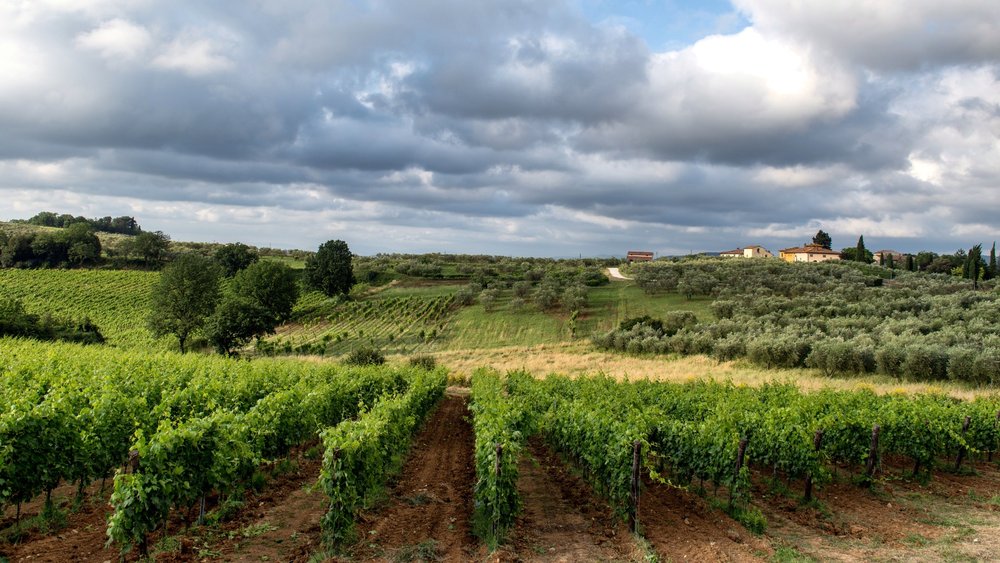
A beautiful hotel can still be the wrong hotel when its location fights your plans. Start with the base, then compare properties. That order keeps Tuscany enjoyable instead of turning every day into a transportation puzzle.
Your shortlist should begin with Florence, Siena, Chianti, or Val d’Orcia. Each creates a different rhythm and solves a different planning problem. Once you understand that difference, the hotel search becomes much easier.
Florence: Best for Art, Dining and Car-Free Access
Florence makes the strongest first base for couples prioritizing Renaissance art, restaurants, rail access, and organized countryside excursions. The historic center places major sights within comfortable walking distance. Quieter neighborhoods can offer more calm, but they may require longer walks or taxis.
Three nights can feel surprisingly generous when you avoid cramming every museum into each day. Plan two focused art mornings, then protect time for leisurely meals. Leave one evening unstructured and let the city decide what happens next.
Historic hotels deserve extra scrutiny before you fall for frescoed ceilings and centuries-old charm. Ask about elevators, taxi access, pedestrian streets, and luggage assistance. Cobblestones become considerably less romantic when you are dragging two suitcases across them.
The official Feel Florence visitor guide provides current neighborhood and transportation information. Use it before deciding how central you truly need to stay. Then ask whether Florence should remain your only base or become the cultural half of two bases.
Siena: Best for Medieval Atmosphere and a Smaller-City Rhythm
Siena offers something Florence cannot quite reproduce. Its medieval streets, intimate scale, and Piazza del Campo create a different evening atmosphere. Southern Tuscany also becomes easier to reach from here than from Florence.
Florence wins on museum depth and rail connections. Siena answers with atmosphere, walkability, and a stronger sense of living inside the historic fabric. The tradeoff matters more than comparing hotel star ratings.
Stay overnight and the city changes after many day visitors leave. Piazza del Campo feels calmer, while familiar streets begin replacing constant navigation. By the second evening, you may recognize the turn back toward your hotel without checking your phone.
Siena still gives you restaurants, energy, and cultural depth. Yet it stops short of complete countryside quiet. That makes the next choice more interesting, especially for couples craving vineyards and open views.
Chianti or Val d’Orcia: Best for Countryside Immersion
Chianti works well for wine-focused days connected naturally with Florence and Siena. Val d’Orcia suits couples drawn toward Pienza, Montalcino, and scenic driving. Both reward slower pacing, but they create noticeably different travel patterns.
Chianti generally offers easier access toward Florence and many celebrated wine estates. Val d’Orcia pulls you deeper into southern Tuscany and broader rural scenery. Either choice usually works best with a car or private driver.
Rural beauty comes with practical consequences. An isolated estate may require advance dinner planning and transportation whenever you leave at night. Suddenly, that gorgeous hillside address matters differently after a long wine lunch.
Decide whether you want nightly exploration or a destination property with excellent on-site dining. Couples wanting deeper context can explore luxury Tuscany travel built around food, wine, and culture. Your countryside base should support your priorities, not merely photograph well.
That decision leads directly into transportation planning. Rural Tuscany rewards freedom, but freedom requires thoughtful logistics. The right base makes those logistics almost disappear.
Tuscany Base Comparison at a Glance
| Base | Best For | Transportation | Main Tradeoff |
|---|---|---|---|
| Florence | Art, dining, rail and first-time access | Walking, taxis, trains and tours | Crowds and limited rural quiet |
| Siena | Medieval atmosphere and southern Tuscany | Buses, drivers or a car outside the center | Steep streets and weaker rail links |
| Chianti | Wine country near Florence | Rental car or private driver | Evening dining requires planning |
| Val d’Orcia | Scenery, Pienza, Montalcino and slower days | Rental car or private driver | Longer transfers and rural isolation |
Getting Around Tuscany Without Letting Transportation Take Over
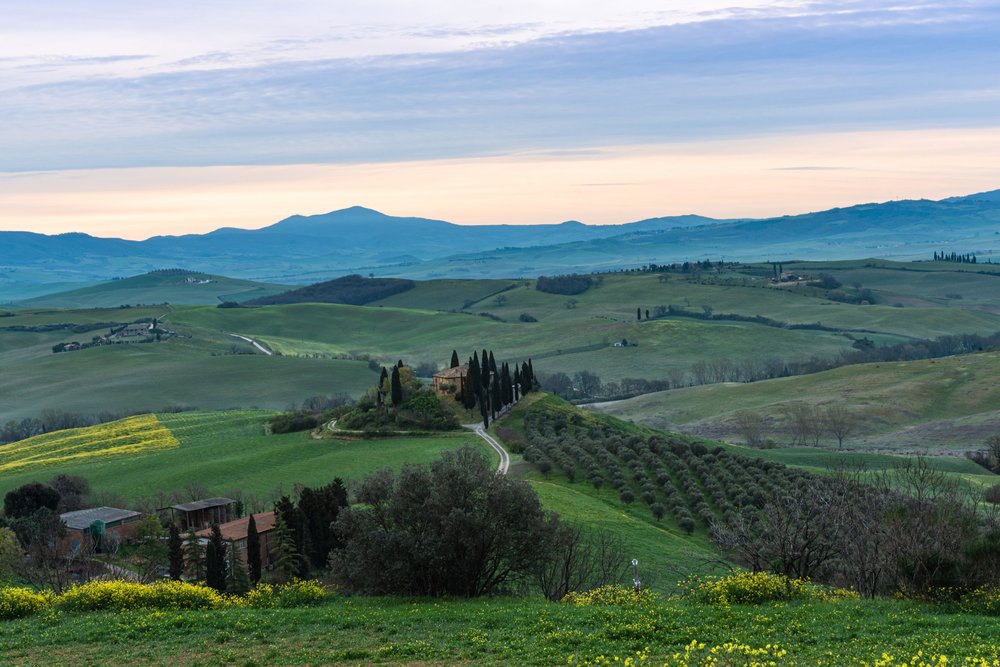
Transportation in Tuscany works best when you stop searching for one solution. Trains, rental cars, drivers, and tours each solve different problems. Combining them often creates the easiest trip.
You do not need a car everywhere. You also should not avoid one automatically. The useful question is where driving improves your experience enough to justify the effort.
Where Trains Work Well
Trains work especially well between Florence and cities including Pisa and Lucca. The official Trenitalia website provides current schedules, fares, and service information. Many smaller villages, wineries, and rural estates remain difficult to reach by rail.
That difference makes Florence an excellent car-free first base. Enjoy museums, restaurants, and city walks before collecting a rental car for the countryside. You avoid urban parking while gaining flexibility exactly when it becomes useful.
Rail travel still deserves practical planning. Consider station distance, luggage weight, stairs, and possible platform changes before booking. A twenty-minute walk feels different when two rolling suitcases join you.
When a Rental Car Helps and When It Hurts
A rental car shines when countryside scenery, villages, and flexible stops define your Tuscany trip. It becomes far less useful for central Florence sightseeing. Parking stress can erase much of the convenience you expected.
Florence also operates restricted traffic zones within much of its historic center. Review the official Florence ZTL driving guidance before approaching central streets. Hotel access may require specific routes and advance coordination.
Before renting, compare automatic availability, insurance terms, tolls, fuel policies, parking, and return timing. Research current International Driving Permit requirements before departure. Airport or edge-of-city pickup can also simplify your first driving minutes.
Wine days deserve a separate calculation. Driving yourself may save money, but somebody still needs to remain responsible. Trains in cities, cars rurally, and drivers for tasting days often create the cleanest combination.
Private Drivers and Small-Group Tours
Private transportation costs more, yet complicated days can justify selective spending. A driver removes parking, navigation, and tasting concerns simultaneously. Both partners can enjoy the experience instead of quietly assigning someone designated-driver duty.
Private drivers offer flexibility around departure times, wineries, villages, and meal stops. Small-group tours usually cost less but follow predetermined schedules. Your preferred pace should decide which compromise feels better.
For a structured no-car option, consider this full-day Tuscany tour from Florence. It currently combines Siena, San Gimignano, Pisa, and a winery lunch. Confirm current walking demands, accessibility details, pickup arrangements, and cancellation terms before booking.
Comfort spending does not require upgrading every transfer. Sometimes one strategically chosen driver protects the trip’s most complicated day. Transportation should support the experience, not become the story you keep telling afterward.
| Trip Need | Best Option | Why | Watch For |
|---|---|---|---|
| Florence sightseeing | No car | Walking and taxis avoid parking stress | Historic-center access and luggage |
| Major-city connections | Train | Efficient between well-served stations | Transfers, stairs and station distance |
| Rural bases and villages | Rental car | Flexible timing and greater reach | Restricted zones, parking and rental terms |
| Wine-focused day | Driver or guided tour | Both travelers can taste and relax | Pickup location, pace and group size |
Choose Fewer Experiences That Give Tuscany Meaning
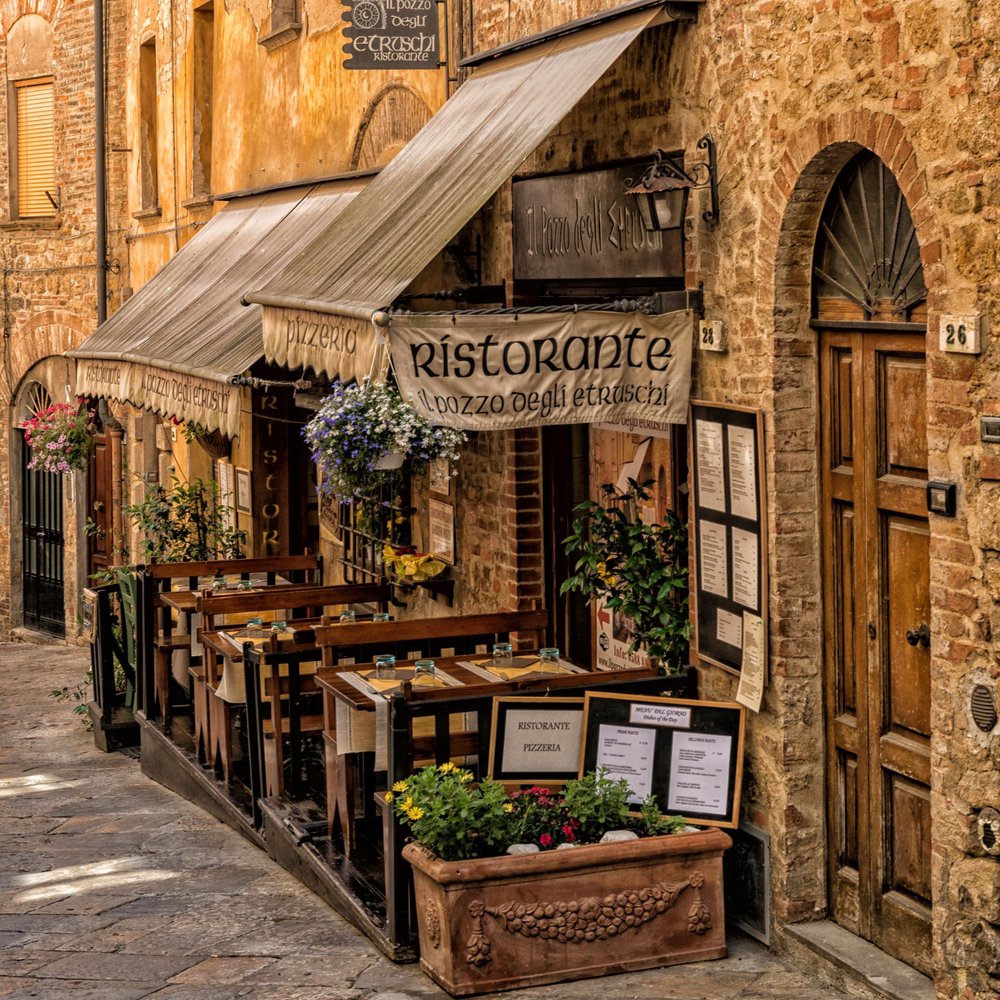
Tuscany rewards attention more than accumulation. Two memorable experiences often create more connection than five reservations squeezed into the same day. Your calendar needs room for discoveries you cannot schedule.
Choose two or three anchor experiences, then let meals, walks, and quieter hours connect them. That approach protects energy without sacrificing substance. It also gives each experience enough space to become part of your shared story.
Florence Art Without Museum Overload
Florence can tempt you into treating masterpieces like items on a checklist. Resist that urge. Cultural depth comes from noticing what you see, not photographing the greatest possible number of famous works.
Plan one major museum or landmark during each focused half-day. Check current hours and reservations through the official Uffizi Galleries website. Then pair serious sightseeing with lunch, a neighborhood walk, or an unapologetically empty afternoon.
Putting the Uffizi and Accademia into one marathon day sounds efficient. By late afternoon, Michelangelo may start competing with thoughts about comfortable shoes. Separate those experiences and both receive the attention they deserve.
One satisfying rhythm starts with an early museum reservation. Follow it with a seated lunch and an unhurried Oltrarno afternoon. Nothing else needs admission tickets, timed entry, or another alarm.
Wine Country: Choose the Region Before the Tour
A Tuscany wine tour should begin with the wine region, not whichever excursion appears first online. Chianti, Montalcino, and Montepulciano offer distinct wines, landscapes, and travel demands. They should not become interchangeable vineyard backdrops.
Chianti sits closer to Florence and works naturally for many first-time visitors. Montalcino takes you farther south toward Brunello country. That extra distance matters when transportation already consumes valuable hours.
Avoid stacking three or four wineries into one day simply because the schedule allows it. Tastings require conversation, travel, and time around the table. Two wineries and lunch usually create a far more complete experience.
From Florence, this small-group Chianti wine tasting experience visits two wineries and includes regional food. Confirm current inclusions, meeting details, and mobility requirements before booking. A private driver remains worthwhile when flexibility matters more than group pricing.
Food, Markets and Cooking Experiences
Food experiences work best when each reveals something different about Tuscany. Consider one guided food experience, one destination meal, and perhaps one hands-on cooking class. Booking three versions of essentially the same experience adds expense, not depth.
A city market experience introduces ingredients, vendors, and everyday food culture. Countryside cooking shifts the emphasis toward setting, preparation, and longer communal meals. Transportation, group size, stairs, and time commitment can matter as much as the menu.
One appealing option combines a Florence market visit with a Tuscan farmhouse cooking class and lunch. Confirm dietary support, transportation details, walking requirements, and accessibility before reserving. “Authentic” loses some charm when the logistics leave you miserable.
For deeper inspiration, explore Tuscany’s luxury food and wine experiences. The best culinary moments often happen around conversation rather than another reservation. Soon, however, Tuscany’s hills and stone streets introduce a different planning reality.
What Nobody Tells You About Comfort in Tuscany
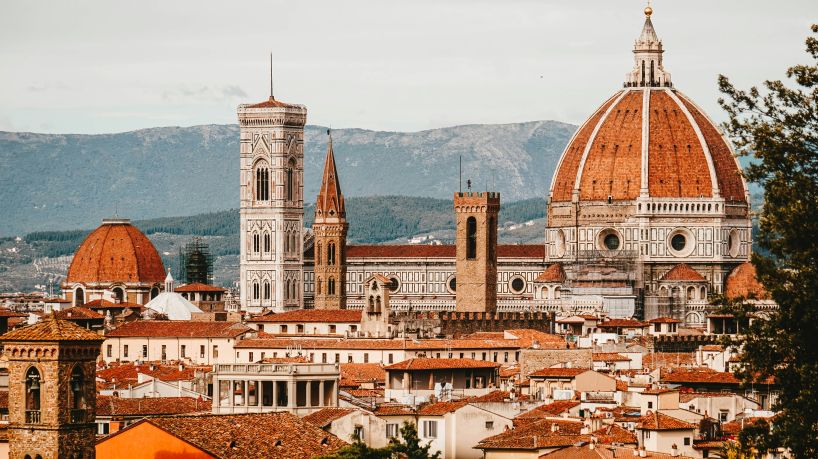
Comfort in Tuscany rarely comes down to luxury alone. It comes from matching your plans to hills, heat, stairs, walking, and recovery time. Good preparation protects your independence rather than limiting your experience.
Many first-time visitors underestimate how physical ordinary sightseeing can become. Cobblestones, museum floors, steep streets, and summer temperatures gradually consume energy. The challenge often appears several hours after everything still felt easy.
Hills, Cobblestones, Heat and Historic Buildings
Siena’s historic streets climb and descend more than photographs suggest. Smaller hill towns add uneven paving, stone steps, and slopes between parking areas. Museums can also mean considerable standing after an already active morning.
Historic hotels bring another tradeoff. Central properties reduce transportation but may face pedestrian streets, street noise, or difficult vehicle access. Quiet hillside hotels offer serenity while often requiring taxis, driving, or longer walks.
A smarter day might start with an early cultural visit before temperatures and crowds build. Follow that with a seated lunch and an afternoon reset. An evening walk then feels enjoyable instead of becoming one more obligation.
That rhythm can outperform ten continuous sightseeing hours by a considerable margin. You still experience Tuscany deeply, but you preserve energy for moments that actually matter. Comfort becomes part of good travel design.
Questions to Ask Before Booking a Hotel or Tour
Before booking a historic hotel, ask whether an elevator reaches your actual room floor. Confirm stair-free access, effective air conditioning, shower configuration, parking arrangements, and luggage assistance. Charming architecture should not require an obstacle course.
Tours deserve equally specific questions. Ask about pickup locations, walking surfaces, restroom access, stairs, and expected standing time. Words like “easy” and “moderate” mean surprisingly little without details.
Compare that romantic hilltop estate with your actual daily plans. A central hotel may work better when restaurants, museums, and evening walks dominate your schedule. The countryside property wins when relaxation and on-site amenities matter more.
Think about which comfort failure would affect your trip most. Poor sleep, excessive stairs, heat, isolation, and constant transfers can each change the experience. Your answer should influence bookings before photographs do.
Never accept “accessible” or “central” without asking what those descriptions mean in practice. Before departure, also review current Italy travel information from the U.S. Department of State. Small planning questions now can protect considerably better days once you arrive.
The Tuscany Mistakes That Quietly Steal the Trip
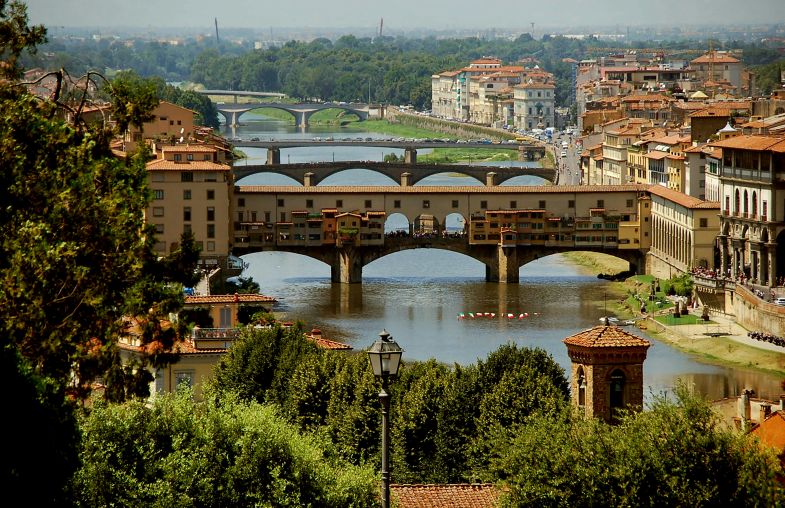
Most Tuscany travel mistakes look reasonable while you are planning them. They usually come from trying to maximize time, variety, or value. Unfortunately, the trip often pays the bill later.
The good news is that these problems are easy to prevent. Small structural choices protect energy, flexibility, and evenings together. Those benefits matter far more than squeezing one additional town onto the map.
Five Mistakes Most First-Time Couples Make
The first mistake is changing hotels too often. Every move consumes packing time, transportation, check-in time, and mental energy. Two strong bases usually provide more usable vacation than three hurried ones.
Another common mistake involves keeping a rental car while staying in central Florence. Parking and restricted streets add responsibility without providing much benefit. Collect the car when you leave the city for rural Tuscany.
Wine days create another trap. Three or four winery visits may sound wonderfully ambitious during planning. Two thoughtful tastings and a leisurely lunch usually produce better conversation, memories, and enjoyment.
Location mistakes can hurt just as much. A gorgeous remote hotel loses some appeal when every dinner requires another drive. Match the property to how you actually expect to spend your evenings.
Finally, leave some time completely open. An unscheduled afternoon gives you room for weather, fatigue, shopping, or simply staying longer somewhere wonderful. Doing less can create a better luxury trip because every hour does not need an assignment.
The Hidden Luxury Is Margin
Real luxury often appears in the spaces between reservations. Margin means realistic transfer times, leisurely meals, flexible afternoons, and enough room for plans to change. You notice its value most when something unexpected happens.
A larger room creates visible luxury. A better location, private transfer, or later departure creates something less obvious but often more valuable. Those choices remove friction from the day.
Ask where additional spending actually improves the experience. A private driver after wine tasting may solve a genuine problem. Another decorative room upgrade might simply photograph better.
Consider one more hotel change against another relaxed evening near your chosen base. One gives you another address. The other might give you dinner, conversation, and that second glass of wine nobody needs to rush.
That same thinking applies across Europe. Our guide to planning a luxury Europe trip without losing control explores how flexibility protects the experience. Now one final choice remains: culture-first, countryside-first, or deliberately balanced.
Pick Your First-Trip Tuscany Style
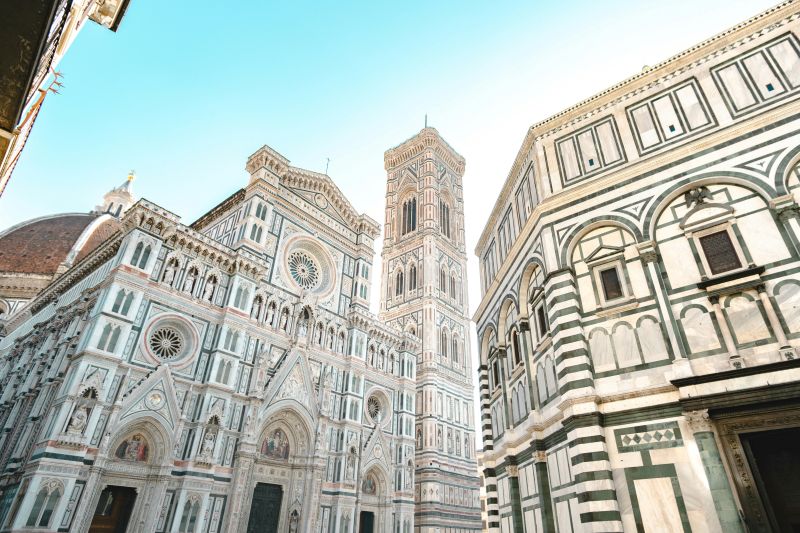
At this point, the decisions become much simpler. Your first Tuscany trip does not need the perfect itinerary. It needs a structure that fits how both of you actually want to travel.
Three styles cover most first visits surprisingly well. None is more sophisticated, adventurous, or impressive than another. The right choice simply gives your priorities enough room.
Culture-First, Countryside-First or Balanced?
A culture-first trip uses Florence as the main base and adds carefully chosen day trips. It suits couples prioritizing art, restaurants, walkability, and easier transportation. You trade deeper rural immersion for convenience and fewer logistical decisions.
Countryside-first travel reverses those priorities. One rural base supports vineyards, scenic drives, villages, slower evenings, and more time outside cities. A rental car or private driver usually becomes much more important.
The balanced approach combines Florence with one countryside base. You experience serious cultural time without treating rural Tuscany as another rushed excursion. For many first-time couples, that combination provides variety without creating an exhausting itinerary.
| Trip Style | Ideal Structure | Best For | Main Tradeoff |
|---|---|---|---|
| Culture-first | Florence base with selected day trips | Art, dining and car-free convenience | Less rural immersion |
| Countryside-first | One rural base with a car or driver | Wine, scenery, villages and quiet | More transportation planning |
| Balanced | Florence and one rural base | First-time variety without excess | One hotel change and mixed logistics |
The Five-Question Couple’s Decision
Ask yourselves five questions before booking anything. How long are you traveling, and how important is serious art sightseeing? Then consider driving comfort, rural evenings, and how many hotel changes you genuinely tolerate.
If four answers consistently favor convenience, culture, and minimal driving, culture-first probably matches your preferences. Four answers favoring scenery, rural evenings, and driving point toward countryside-first. Mixed answers make the balanced structure a natural compromise.
Next, each partner should name one nonnegotiable experience. Then name one famous Tuscany experience you can comfortably skip. That second answer often reveals more than the first.
Planning together matters because neither person should quietly inherit somebody else’s vacation. Travel can help empty nester couples reconnect when both people shape the experience. Different priorities can strengthen the trip when you discuss them before reservations begin.
Once you agree on your Tuscany style, resist planning individual days immediately. Reserve your travel window and choose your bases first. Everything else becomes easier once those two decisions stop moving.
Book Tuscany in the Right Order
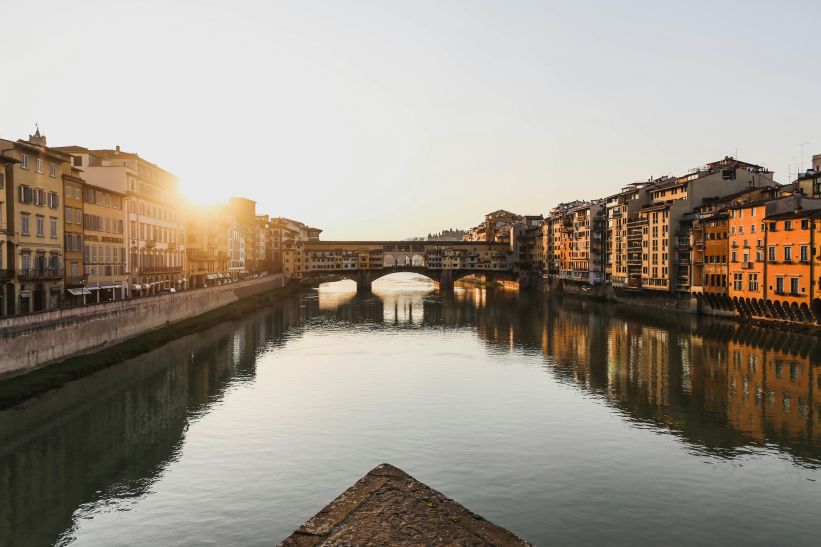
Good Tuscany planning becomes much easier once you stop trying to book everything at once. Some decisions establish the trip’s structure. Others should wait until that structure feels stable.
Start with your travel window, trip length, bases, international transportation, and hotels. Then arrange regional transportation, priority experiences, and selected dining reservations. This sequence reduces expensive changes later.
The Booking Sequence
Lock in the pieces that determine everything else first. Your dates, trip length, and bases shape transportation, hotel choices, and sightseeing possibilities. They deserve early attention.
International flights and preferred hotels usually come next. After those settle, confirm trains, rental cars, private transfers, or drivers. Avoid booking an isolated countryside hotel before deciding whether you actually want to drive.
Priority experiences deserve protection once the framework stops moving. An Uffizi morning can anchor a Florence day without controlling the entire itinerary. Check current ticketing through the official Uffizi Galleries website before reserving.
A favorite wine day deserves similar treatment. Protect that experience, then leave surrounding meals and smaller stops flexible. The goal is structure without turning Tuscany into an appointment calendar.
Final Verification Checklist
Before departure, verify passport validity, current entry requirements, travel insurance, medications, mobility needs, and hotel access. Review the latest official Italy travel information before leaving. Requirements and guidance can change after you book.
Check seasonal opening hours, museum reservations, winery schedules, excursion policies, and cancellation terms again. Confirm current train times and fares through the official Trenitalia website. Rental terms, parking plans, and transfer timing also deserve one final review.
Your itinerary should include at least one flexible half-day. It also needs comfortable transfer times and a reasonable poor-weather alternative. Those small cushions matter when fatigue, rain, or delays change the day.
Readiness does not require reserving every dinner or assigning every hour. You simply need the important pieces working together. Once that foundation feels right, Tuscany can still surprise you.
Your First Tuscany Trip Should Feel Like Tuscany, Not a Race
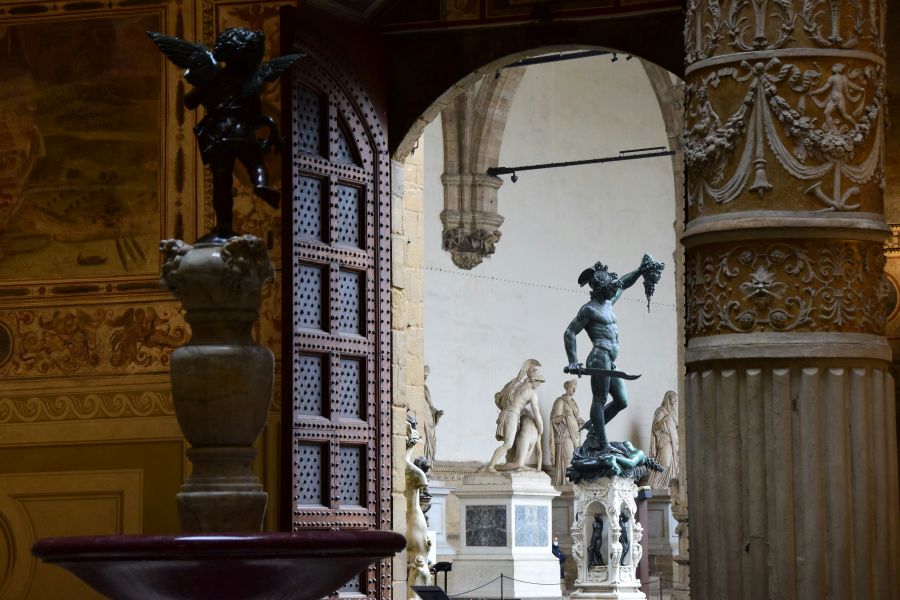
The Tuscany you imagined probably included art, vineyard lunches, quiet roads, and evenings with nowhere urgent to be. Thoughtful planning protects that version of the trip. Fewer bases, comfortable transportation, and purposeful experiences give those moments room to happen.
For most first visits, five to seven days provides a strong foundation. Combine Florence with one countryside base and choose two or three meaningful anchor experiences. Everything else can support those choices instead of competing with them.
You do not need Pisa, Lucca, Siena, Montalcino, and every famous vineyard on the same vacation. Leaving somewhere unseen does not make the journey incomplete. It simply gives you an excellent reason to return.
Before booking, choose your travel window and preferred Tuscany style together. Agree on what each person wants most from the experience. That conversation matters more than building the longest possible sightseeing list.
Thoughtful travelers understand something ambitious itineraries often miss. Tuscany does not reward the couple who moves fastest. It rewards the couple who leaves enough room to notice where they are.
Continue Exploring
If food, wine, and culture define your ideal trip, explore luxury Tuscany travel designed around those experiences. It shows how refined stays and meaningful experiences can work together. More importantly, it keeps another checklist from taking over.
Perhaps the table matters more than the museum. Our guide to luxury culinary experiences throughout Tuscany explores meals, tastings, and hands-on experiences. Those moments often become the emotional center of the journey.
Flexible dates can also reshape the entire experience. Explore the hidden benefits of shoulder-season travel before automatically choosing summer. Different timing can change pace, atmosphere, and availability.
Couples who value deeper stays should also consider why slow travel feels better after 50. Fewer transfers often create more usable vacation. They also leave considerably more room for each other.
Still comparing Italian destinations? Our Amalfi Coast versus Tuscany comparison focuses on the experience each destination creates. The better choice depends far more on your travel style than somebody else’s ranking.
Start Planning
Ready to turn these decisions into a Tuscany trip that fits both of you? Start planning your Tuscany trip with the travel window, pace, and experiences that matter most. You do not need every detail solved before beginning.
Facebook Group
You can also join the Empty Nester Getaways Facebook group to compare ideas with other travelers. Ask practical questions and hear what other couples are considering. Sometimes another traveler’s question reveals something you had not thought to ask.

Leave a Reply