
The best Danube itinerary for first-time travelers begins with one simple truth: your first river cruise should never feel complicated. The Upper Danube delivers famous cities, quiet villages, and changing scenery without exhausting you. It offers enough variety to feel adventurous, yet enough structure to let you relax.
Most couples begin by comparing cruise lines, cabin categories, and glossy brochures. Yet the route itself shapes the experience more than almost anything else. Choose poorly, and you may spend valuable hours on buses instead of beside the river.
The strongest first itinerary connects Budapest and Passau, with memorable stops in Bratislava, Vienna, Melk, and the Wachau Valley. Along the way, vineyard-covered hills replace grand capitals, then medieval towns appear beyond the ship’s windows. Each day feels distinct, which matters more than collecting another port name.
Still, two cruises following similar routes can feel surprisingly different. Port times, sailing direction, excursions, and overnight stays quietly influence every day. Add the right land extension, and the journey becomes smoother, richer, and far less rushed.
This guide explains which route works best, how long to travel, and which stops deserve your limited time. You will also learn what most first-time couples overlook when comparing itineraries. That detail may change which cruise you choose.
What Is the Best Danube Route for a First Cruise?
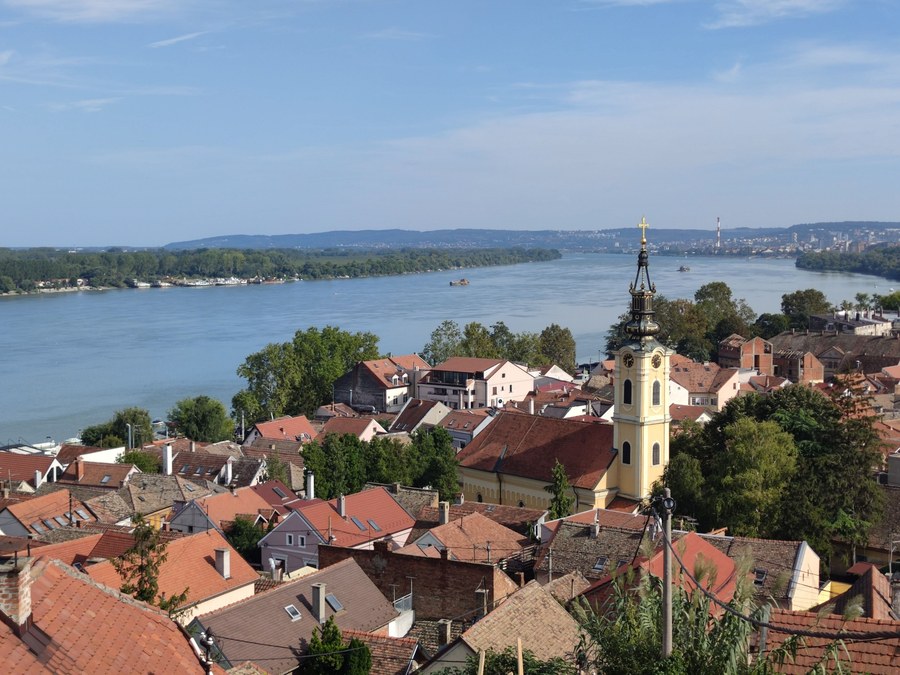
The best Danube river cruise itinerary usually runs seven nights between Budapest and Passau or nearby Vilshofen. This route feels substantial without consuming your entire vacation. More importantly, it delivers variety without turning each morning into a logistical exercise.
Budapest and Vienna provide architectural grandeur, layered history, and evenings worthy of dressing slightly better. Bratislava adds intimacy, while the Wachau Valley replaces city streets with vineyards, villages, and ruined castles. Passau and Vilshofen finish the journey with welcoming Bavarian character.
That balance matters.
Many first-time couples assume a longer itinerary automatically creates a better experience. However, extended Lower Danube cruises often visit lesser-known destinations across Serbia, Bulgaria, Croatia, and Romania. Those routes offer tremendous depth, although they demand greater curiosity and more time.
Rhine-Main-Danube journeys can stretch toward Amsterdam or Nuremberg. They cover more territory, but frequent destinations can blur together surprisingly quickly. For your first river cruise, restraint often creates the richer journey.
The Ideal Budapest-to-Passau Route
A well-designed sailing begins in Budapest, where an overnight stay allows evening views along the illuminated riverfront. Bratislava usually follows, offering several relaxed hours for castle views and Old Town exploration. Vienna deserves a full day, preferably with evening time for music, dining, or an unhurried walk.
The Wachau Valley should unfold during daylight. Otherwise, you may miss vineyards, church towers, and villages appearing beyond the ship’s windows. Melk often receives several hours, which provides enough time for its magnificent abbey and surrounding town.
Linz typically fills a full day, especially when the cruise offers Salzburg or Český Krumlov excursions. Passau or Vilshofen may serve as your final port and disembarkation point. Neither requires multiple days, although Passau rewards travelers who resist rushing toward the airport.
Cruise lines sometimes replace ports with Grein, Krems, Dürnstein, Weissenkirchen, or Engelhartszell. These changes rarely weaken the itinerary. In fact, a smaller town may become the place you remember most.
A typical seven-night schedule includes Budapest overnight, Bratislava briefly, Vienna fully, and several days across Austria. Before comparing schedules, understand what a Danube river cruise actually includes. The answer may change how you judge each day.
Why the Upper Danube Works Well for First-Time Travelers
The Upper Danube combines destinations you recognize with towns you might never choose independently. Budapest and Vienna provide confidence because their landmarks feel familiar. Dürnstein, Melk, and Passau supply the discoveries that make the journey personal.
Most couples make one predictable mistake. They schedule an excursion during every available hour because they fear missing something. By day four, another cathedral can feel suspiciously like homework.
A thoughtful itinerary balances guided touring with scenic cruising, independent wandering, and quiet time aboard. You might tour Vienna during the morning, then explore its cafés without following another raised umbrella. The next day could bring a vineyard walk before an afternoon watching the Wachau Valley drift past.
The route need not feel rushed. Your excursion choices determine the pace more than the ship’s schedule. Choosing one meaningful experience often creates stronger memories than collecting five hurried attractions.
Active travelers can cycle beside the river, hike above vineyards, and join longer walking tours. Couples preferring comfort can select gentle tours, scenic drives, and generous independent time. Both can enjoy the same sailing without taking separate vacations.
AmaWaterways offers several seven-night Upper Danube variations, including its Best of the Danube itinerary. That particular route sails roundtrip from Budapest, so compare its port sequence carefully. The next question becomes which cities truly deserve your limited time.
The Essential Cities on a First Danube Itinerary
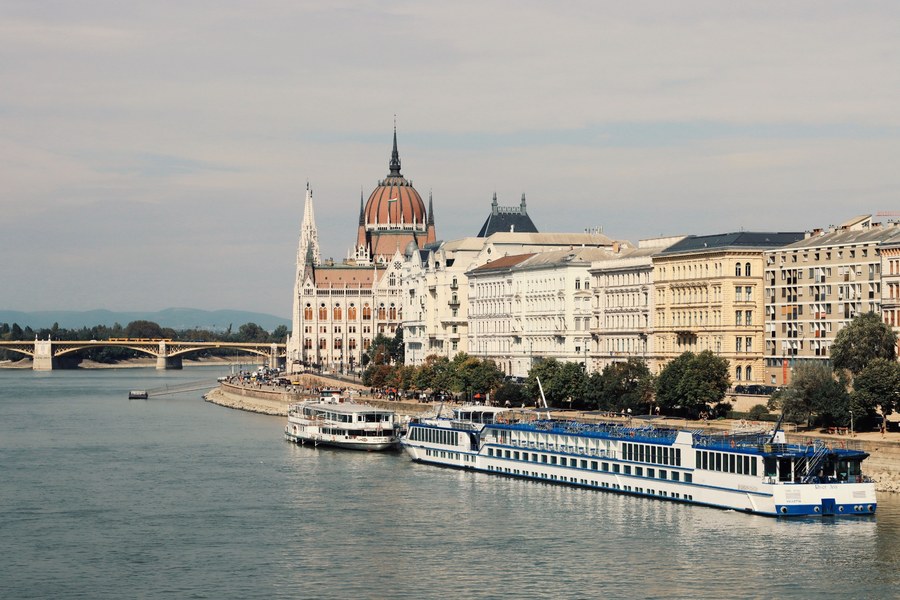
Budapest, Bratislava, and Vienna form the cultural heart of the best Danube itinerary for first-time travelers. Each capital reveals a different Central European personality. Together, they create contrasts that keep the journey fresh.
Budapest feels dramatic and slightly untamed. Vienna presents polished elegance, while Bratislava offers intimacy and playful charm. Remove any one city, and the route loses part of its rhythm.
Most couples make one costly mistake here. They judge each stop by its fame rather than its available time. A shorter visit can feel richer than a rushed day packed with landmarks.
Included tours usually provide historical context and a useful city overview. However, independent time creates the memories that feel truly yours. The best approach blends both without treating Europe like a checklist.
Budapest, Hungary
Budapest deserves at least one full day, although two hotel nights create a far better beginning. Arriving early also protects your cruise from flight delays. More importantly, it lets your body catch up before serious sightseeing begins.
Start on the Buda side with Buda Castle, Fisherman’s Bastion, and Matthias Church. Their terraces reveal Parliament across the river in remarkable detail. Morning light often softens the skyline and reduces the crowds.
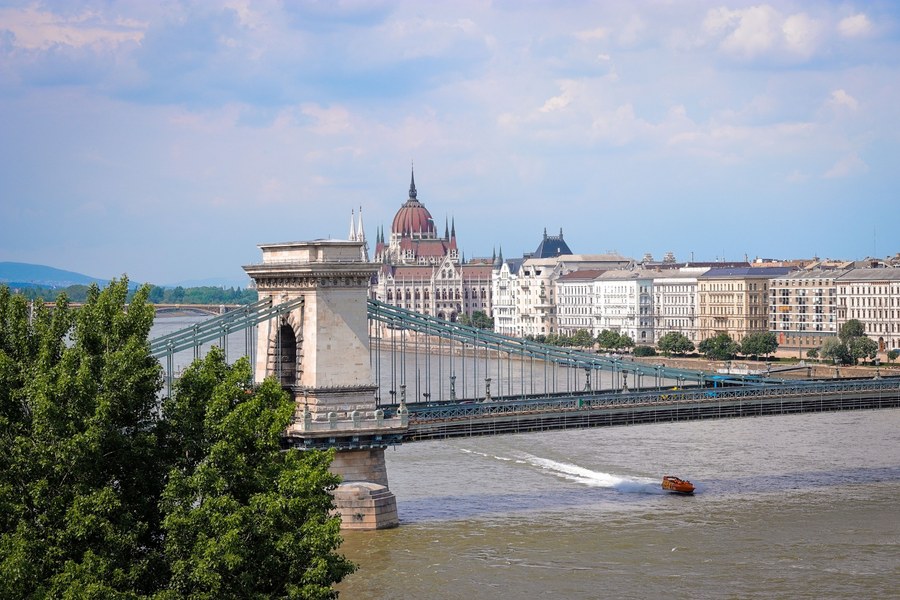
Across the Chain Bridge, Pest feels busier and more energetic. Visit Parliament, browse the Central Market Hall, and consider soaking in one of Budapest’s historic thermal baths. Few cities combine political grandeur, paprika, and public bathing so confidently.
Save one evening for the river.
Parliament glows after dark, while bridges and monuments reflect across the black water. An evening cruise before embarkation creates anticipation without duplicating the main sailing. It also reveals why Budapest benefits most from an extended stay.
That slower beginning reflects what makes Danube river cruises ideal for empty nesters. Comfort never replaces discovery here. It simply gives you more energy to appreciate it.
Bratislava, Slovakia
Bratislava proves that a capital city does not require an exhausting day. Its compact Old Town fits comfortably into a half-day visit. You can see the highlights without constantly checking your watch.
A guided walk usually covers Michael’s Gate, St. Martin’s Cathedral, historic squares, and several eccentric bronze statues. Local cafés provide an easy pause between landmarks. Bratislava Castle adds broad views across the city and river.
Independent exploration works beautifully for confident walkers who enjoy wandering without a fixed schedule. Choose Devín Castle when history, ruins, and river scenery appeal more than café-lined streets. The excursion requires more travel time, so your port schedule matters.
Travelers visiting from Vienna can consider this Bratislava day trip with a Danube catamaran cruise. Cruise passengers should compare its timing carefully against their ship’s departure. Missing the boat would certainly improve the story, though probably not the vacation.
Bratislava rarely demands more than one day. Yet its smaller scale often creates an unexpected favorite. That surprise prepares you for Vienna’s completely different energy.
Vienna, Austria
Vienna deserves a full day, and an evening stay adds considerable value. Check your itinerary for the ship’s departure time before booking concerts or dinner plans. Some sailings leave earlier than travelers expect.
Begin with either Schönbrunn Palace or the central historic district. Trying to cover both deeply can turn elegance into endurance. Choose according to whether imperial interiors or walkable city landmarks matter more.
The Hofburg, St. Stephen’s Cathedral, and Ringstrasse reveal Vienna’s political and architectural confidence. Traditional coffeehouses offer a slower counterpoint. Sit down, order cake, and resist converting the break into another planning meeting.
Palace tours provide history and visual spectacle. City overview tours offer broader context, while food experiences reveal everyday traditions. Evening concerts add atmosphere, although quality and venues vary significantly.
What most couples do wrong involves stacking all four choices into one day. Vienna rewards selection, not conquest. One palace, one neighborhood, and one memorable evening usually create a stronger experience.
Budapest benefits most from extra hotel nights, but Vienna deserves the longest port day. Bratislava works well within several focused hours. Knowing that difference helps protect the journey’s pace before the scenery changes again.
The Wachau Valley and Smaller Danube Ports
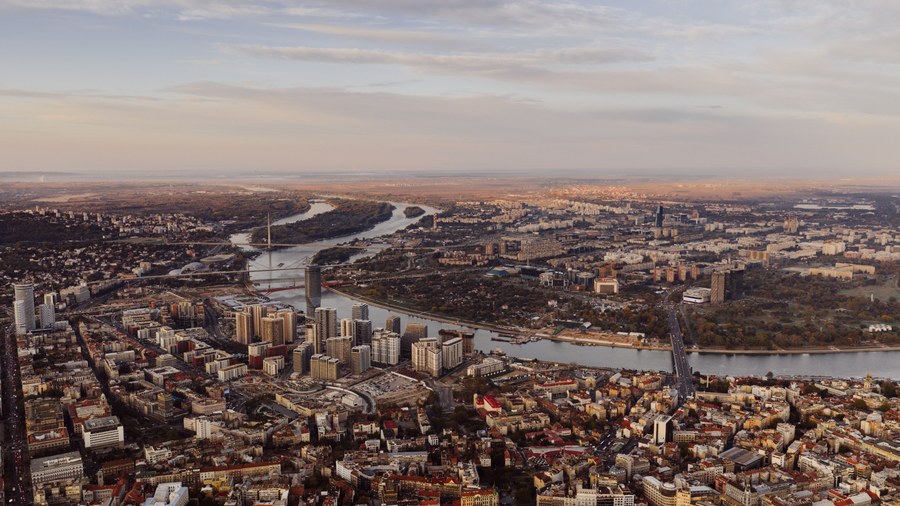
The best Danube itinerary for first-time travelers needs more than famous capitals. The Wachau Valley provides the breathing room those cities cannot. Vineyards, villages, and castle ruins replace traffic, monuments, and crowded squares.
That contrast changes the journey’s emotional pace. You stop chasing landmarks and begin noticing church bells, hillside terraces, and changing river light. Many couples remember these quieter hours more clearly than another palace tour.
Dürnstein, Melk, Krems, Linz, and Passau each offer something different. Some deserve focused sightseeing, while others reward wandering without a detailed plan. Knowing the difference protects your time and energy.
Dürnstein and Scenic Wachau Valley Cruising
Dürnstein looks almost theatrical from the river, especially when its blue church tower appears between vineyards. Medieval lanes climb gently from the waterfront toward wine taverns and small shops. Above everything, castle ruins mark Richard the Lionheart’s imprisonment centuries ago.
Spend part of the Wachau sailing on the open deck. Glass windows protect you from weather, but they also soften the scale of the landscape. Outside, you hear church bells and feel the river air change.
Your excursion choice should match your preferred pace. A village walk offers history and gentle exploration. Vineyard hikes and bicycle rides provide broader views, though both require stronger mobility.
Wine tastings create the most relaxed option. Local producers often pour Grüner Veltliner and Riesling within centuries-old cellars. The hidden truth involves timing, because every excursion competes with scenic sailing.
Melk and Melk Abbey
Melk Abbey commands the hillside with golden walls and a commanding position above the Danube. Benedictine monks have shaped this site for centuries. Today’s Baroque complex feels grand without losing its spiritual purpose.
Guided visits usually include the Imperial Corridor, museum rooms, marble hall, library, and ornate church. The library often surprises travelers most. Its painted ceilings and ancient volumes create a quieter kind of spectacle.
Gardens and terraces provide welcome air after the richly decorated interiors. From outside, the Danube Valley stretches beneath the abbey. That view explains why location matters as much as architecture.
A dedicated abbey tour allows deeper exploration and less rushing. Combined excursions may include Dürnstein, Krems, and seasonal cruising through the Wachau. This Danube Valley and Melk Abbey tour shows how those elements can fit together.
Choose carefully.
Linz, Passau, and Vilshofen
Linz offers a broad main square, an attractive riverfront, and an easily explored Old Town. Local bakeries tempt visitors with Linzer torte, which seems like responsible cultural research. Longer excursions may reach Salzburg or Český Krumlov.
Those day trips require several hours away from the ship. They suit travelers who value one major destination over relaxed time in Linz. Others may prefer cafés, churches, and riverside walking without another coach journey.
Passau sits where the Danube, Inn, and Ilz rivers meet. St. Stephen’s Cathedral anchors the Old Town with its pale towers and remarkable organ. Narrow lanes lead toward riverfront promenades and elevated viewpoints.
Vilshofen feels smaller and quieter than Passau. Cruise lines often use it for embarkation, disembarkation, or a festive onboard welcome. Transportation planning matters because Vilshofen offers fewer direct connections.
Passau deserves several focused hours before departure. Vilshofen usually requires less sightseeing time, though its riverside setting feels pleasantly unhurried. That distinction matters when arranging trains, transfers, or post-cruise extensions.
Travelers comparing European rivers should also examine how Danube and Rhine cruises differ. The rivers share comforts, but their smaller ports create very different experiences. That comparison may clarify what you truly want next.
How Many Days Should a First Danube Trip Include?
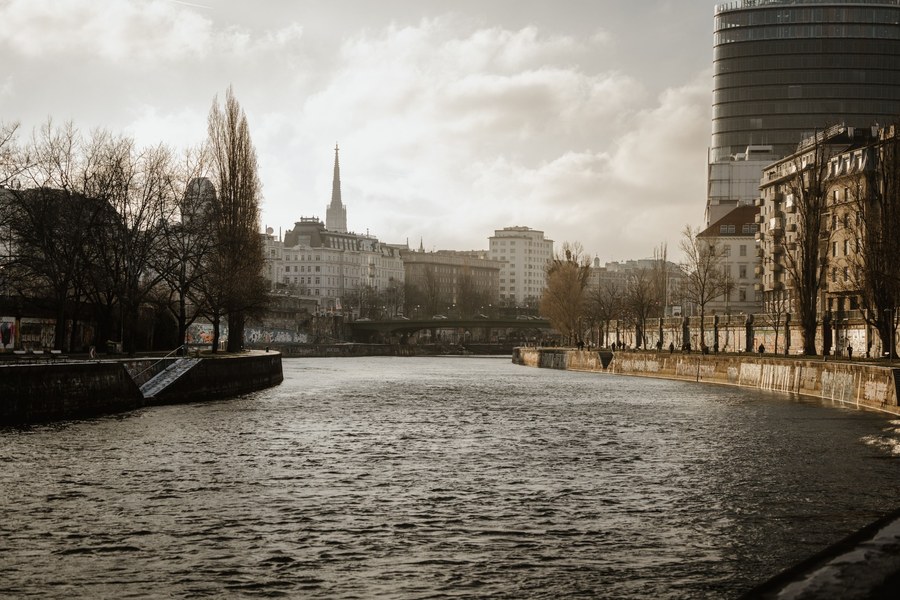
The best Danube itinerary for first-time travelers should span roughly ten to twelve days. Combine a seven-night cruise with two or three hotel nights. That balance provides depth without stretching the trip beyond comfortable limits.
A cruise-only schedule looks efficient on paper. However, international flights, jet lag, transfers, and embarkation hours quietly reduce your usable sightseeing time. Early disembarkation also turns the final cruise day into a transportation day.
Most couples underestimate those lost hours.
Adding Budapest, Prague, Munich, Salzburg, or Vienna creates breathing room around the cruise. Yet every extension adds another transfer and hotel change. The smartest itinerary adds meaningful time, rather than collecting cities like refrigerator magnets.
The Best Pre-Cruise Stay
Arrive in Europe at least one day before embarkation. Two or three nights offer better protection against delays and a far more enjoyable beginning. Nobody wants their first Danube memory to involve sprinting through an airport.
Budapest works best when your cruise begins there. You avoid another long transfer and gain time for landmarks the cruise schedule may rush. Prague offers extraordinary history, though reaching Budapest requires additional travel and careful timing.
For two Budapest nights, keep arrival day deliberately light. Check into your hotel, walk nearby, enjoy dinner, and let your body recover. Ambition and jet lag rarely make charming travel companions.
Use the next morning for a guided city overview across Buda and Pest. Spend the afternoon exploring independently or relaxing before dinner. That evening, see Parliament illuminated during this Budapest Danube night cruise.
Embark the following day without rushing. A relaxed breakfast and simple transfer preserve your energy for the cruise. That calm beginning often shapes the entire journey.
The Best Post-Cruise Extension
Prague, Munich, Salzburg, and Vienna each create a different ending. Transportation from Passau or Vilshofen should influence your decision as much as sightseeing. A beautiful extension loses appeal after several awkward connections.
Prague suits couples wanting another grand historic capital. Its castle district, Old Town, bridges, and evening atmosphere justify three nights. However, the journey requires more effort than reaching Munich or Salzburg.
Salzburg offers a gentler finale. Music, Alpine scenery, gardens, and a compact center create an easy two-night stay. It feels especially rewarding after several days of larger cities.
Munich provides convenient flight options, museums, markets, and Bavarian dining. Vienna works well when your cruise route allows an efficient return. Both deserve at least two nights, though three creates a less hurried experience.
For two nights, choose one city and one central hotel. Spend the first afternoon settling in, then reserve the next day for focused sightseeing. Departing after breakfast keeps the schedule simple.
A three-night extension allows one major day trip or a slower city experience. Prague benefits most from that extra night. Salzburg can pair beautifully with nearby lakes or mountain scenery.
The hidden truth involves restraint. Every hotel change consumes time, patience, and more energy than expected. Choose one strong ending, and leave the next city for another journey.
How to Choose the Right Sailing and Excursions
Two Danube cruises can follow similar routes yet deliver remarkably different vacations. The cruise line, ship, season, and cabin influence daily comfort. Port schedules and excursion choices shape the deeper experience.
Eastbound and westbound sailings both work well for first-time travelers. Direction matters less than arrival times, overnight stays, and daylight through scenic stretches. A beautiful port offers little value when your ship leaves before dinner.
Most couples compare cabin photographs before studying the actual schedule. That approach feels natural, but it reverses the decision. Choose the strongest itinerary first, then select the ship and cabin.
Included drinks, gratuities, transfers, Wi-Fi, specialty dining, and excursions also affect the final price. Review these details before celebrating an attractive fare. The lowest number rarely tells the entire story.
Important Itinerary Details to Compare
Count the hours in each destination, not simply the number of listed ports. Vienna needs more time than Bratislava, while the Wachau deserves daylight sailing. Smaller towns can shine within several focused hours.
Overnight docking creates opportunities that daytime visits cannot provide. Budapest after dark feels completely different from Budapest during a crowded morning tour. Vienna also gains depth when concerts and evening dining become possible.
Long bus transfers deserve careful attention. An excursion may sound appealing until you discover it requires four hours aboard a coach. Your knees may have opinions before your guide finishes the introduction.
Substitute ports do not always weaken an itinerary. Krems may replace Dürnstein, while Vilshofen may replace Passau. However, every change affects transportation, walking distances, and available attractions.
Ask where the ship docks in each city. Confirm airport transfers, hotel extensions, excursion difficulty, gratuities, beverages, and cancellation terms. Also determine which optional experiences require advance payment.
These questions uncover costs that brochures often soften or bury. Comparing Danube and Rhine cruise experiences also reveals how schedules shape each river. The itinerary’s fine print often matters more than another marble lobby.
Choosing Included and Optional Excursions
Included city tours provide context, transportation, and an efficient introduction. They work especially well during a first visit. However, following a guide everywhere can make each destination feel strangely similar.
Balance structured touring with independent time. Spend one morning learning Vienna’s history, then choose your own coffeehouse and neighborhood. That freedom often creates the stories you retell later.
Walking tours suit travelers who enjoy conversation and architectural detail. Palace visits deliver history and visual grandeur, though they can involve crowds. Culinary tours replace formal sightseeing with markets, tastings, and local traditions.
Cycling trips and vineyard hikes offer activity with stronger scenery. Classical concerts create polished evenings without physical strain. Night cruises reveal illuminated riverfronts, although they may repeat views from the ship.
Choose one major experience in each destination. Leave room for cafés, photographs, shopping, markets, and unexpected discoveries. What most couples do wrong is booking every available hour.
Unplanned time does not mean wasted time. It allows you to follow an interesting street or linger over lunch. That flexibility often feels more luxurious than another reserved ticket.
When the Classic Route May Not Be the Best Choice
The classic Upper Danube suits most first-time river cruisers, but it cannot satisfy every travel style. Some couples prefer lesser-known cities and more complex history. Others want longer scenic passages or fewer famous capitals.
A Lower Danube itinerary may fit travelers drawn to Serbia, Croatia, Bulgaria, and Romania. These sailings often feature the Iron Gates and destinations with fewer international visitors. The experience feels less polished, yet often more revealing.
Longer routes may connect Budapest with Amsterdam, Nuremberg, Prague, Bucharest, or the Danube Delta. They offer greater variety but require more time and stamina. Repeated tours can also create sightseeing fatigue before the final port.
Season changes the atmosphere considerably. Christmas market sailings bring lights, seasonal food, and colder weather. Wine-themed departures focus on tastings, vineyards, and regional producers.
Active itineraries emphasize cycling, hiking, and faster-paced excursions. Standard spring and fall cruises usually provide the broadest balance. They also offer comfortable temperatures without winter’s limited daylight.
The Wachau Cultural Landscape demonstrates why scenery and history deserve equal attention. UNESCO recognizes its vineyards, villages, monasteries, castles, and ruins. A schedule that crosses this region after dark misses something important.
Choose the classic route when you want cultural capitals balanced with scenic cruising. Look farther downstream when unfamiliar destinations excite you more. The best sailing should match how you travel now, not twenty years ago.
Your First Danube Journey Should Feel This Good
The best Danube itinerary for first-time travelers balances celebrated cities with quiet river days and manageable sightseeing. A seven-night sailing between Budapest and Passau delivers that balance with remarkable consistency. You gain history, scenery, food, and culture without packing every morning. That freedom changes how the journey feels.
Add two or three hotel nights, preferably where your cruise begins or ends. Budapest deserves extra time, while Vienna rewards a full day and an unhurried evening. Protect daylight through the Wachau Valley, because vineyards and castle ruins should never become silhouettes. Some moments deserve more than a passing glance.
Before booking, compare actual port hours, excursion choices, inclusions, docking locations, and extension logistics. Brochures sell destinations, but timing determines whether you truly experience them. The right cruise should match your pace now, not the pace you tolerated twenty years ago. That distinction matters more than another cabin upgrade.
Ready to turn this route into your own journey? Start planning your Danube cruise and let us shape the details around your preferred pace. Then join our Facebook group for practical ideas, honest conversations, and inspiration from fellow empty nesters.
P.S. Planning a Danube River cruise? Keep reading with these helpful guides:
• When to Cruise the Danube for the Best Experience
• Vienna in One Day: The Ultimate Danube Cruise Guide
• Why Budapest Is the Ultimate Danube Cruise Highlight