
Why Budapest is the highlight of many Danube cruises becomes clear the moment Parliament appears beside the river. Its illuminated façade seems to float above the water. Even seasoned travelers often lower their voices when that view arrives.
The city quickly proves that its beauty is only the opening act. Buda rises with castle walls, church towers, and quiet hillside streets. Across the river, Pest brings grand boulevards, cafés, markets, and restless energy.
Many couples make one mistake here. They treat Budapest as another port instead of a destination deserving time. A hurried tour captures the landmarks, but misses the city’s deeper rhythm.
Arriving early changes everything. You can linger over Hungarian food, explore Castle Hill slowly, and watch the bridges glow after dinner. Staying afterward offers the same gift, especially once the cruise schedule releases its grip.
Budapest rewards travelers who no longer measure a trip by how much they can squeeze into one day. The real pleasure comes from letting the city unfold gradually. That is when its place among the Danube’s greatest highlights becomes much harder to dispute.
Budapest Creates an Unforgettable First Impression
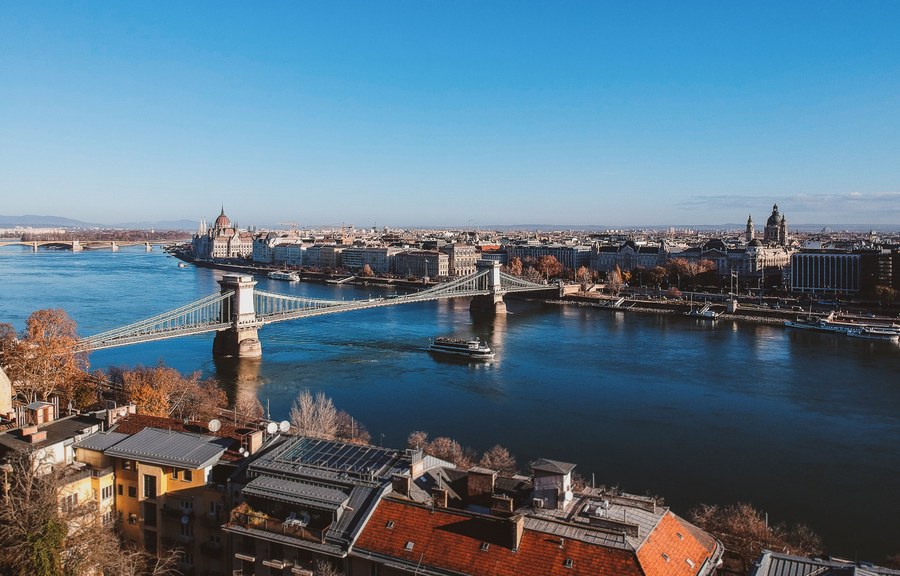
Budapest does not ease quietly into view. It arrives with domes, bridges, hills, and stone facades stretching along the Danube. Few European cities reveal themselves with such confidence.
The river separates two distinct personalities. Buda rises above the western bank with castles, church towers, and wooded slopes. Pest spreads eastward with boulevards, cafés, monuments, and unmistakable urban energy.
Together, they create the Budapest Danube cruise highlight many travelers remember most clearly. The city feels grand without becoming distant. Historic landmarks remain close enough to study from your ship’s deck.
Arrival makes the difference. Airports deliver baggage carousels, taxi lines, and fluorescent lighting. Trains offer brief glimpses between platforms and city streets.
The Danube provides a proper entrance.
Many couples underestimate that first approach. They rush inside for dinner or begin unpacking while Budapest gathers outside their windows. That mistake costs nothing, except one extraordinary memory.
The city’s riverbanks form part of a designated UNESCO World Heritage Site. Yet official recognition cannot explain the feeling completely. Budapest saves that lesson for the water.
The View From the Danube
From the river, Parliament commands attention first. Its Gothic Revival towers rise beside the eastern bank with almost theatrical precision. Even architecture-weary travelers tend to look twice.
Across the water, Buda Castle stretches along the hillside. Fisherman’s Bastion appears higher above the river, framed by Matthias Church. The Chain Bridge connects both sides with calm, elegant symmetry.
Daylight reveals details. Sunset softens the stone and warms the hills. Darkness transforms the entire riverfront.
Then the reflections begin.
Golden lights ripple across the Danube beneath Parliament and Castle Hill. Bridges glow between the banks like carefully placed jewelry. Suddenly, returning to your cabin feels strangely unreasonable.
This evening view helps explain why empty nesters fall in love with Danube river cruises. The journey creates time to notice what rushed land trips often miss. You stop managing Europe and finally begin experiencing it.
Why Budapest Feels Different From Other Danube Ports
Smaller Danube ports offer their own pleasures. Melk presents its hilltop abbey, while Dürnstein charms through vineyard lanes and painted facades. Passau feels compact, graceful, and easy to explore.
Budapest operates on another scale.
Bratislava introduces visitors gently through its old town and castle views. Budapest surrounds them with monuments, traffic, cafés, bridges, and centuries of visible history. The contrast feels immediate.
Yet the city remains surprisingly accessible from the river. Passengers may reach Parliament, riverside memorials, central squares, and shopping streets shortly after disembarking. Few major capitals offer that convenience.
Most couples assume bigger cities require exhausting logistics. Here, the ship places them beside the story. That advantage becomes even clearer once they step ashore.
The City’s Most Famous Landmarks Are Close to the River
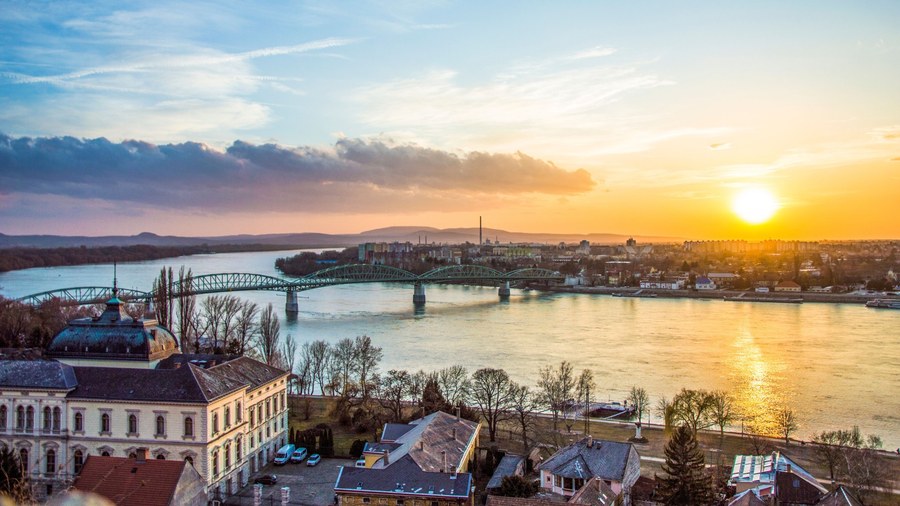
Budapest gives Danube cruise passengers something many major capitals do not. Its greatest landmarks sit remarkably close to the water. You avoid long transfers through warehouse districts before seeing anything worthwhile.
That convenience changes the entire day. Couples can explore both Buda and Pest without spending precious hours inside a coach. Still, proximity can create false confidence.
Most visitors try to fit everything into one frantic schedule. Parliament, Castle Hill, Fisherman’s Bastion, and St. Stephen’s Basilica sound manageable on paper. Cobblestones, security lines, and uphill routes tell another story.
A thoughtful Budapest river cruise experience requires choices. Reserve timed attractions early, especially Parliament. Leave breathing room between both riverbanks, because beauty becomes forgettable when viewed through exhaustion.
Parliament and the Pest Riverfront
The Hungarian Parliament Building dominates Budapest before you even learn its name. White stone, pointed towers, and a vast dome stretch beside the Danube. Nothing nearby competes successfully.
Inside, guided tours reveal the grand staircase, ceremonial halls, legislative spaces, and Hungary’s Holy Crown. This Budapest Parliament tour includes admission and a guided interior visit. Visitors must carry a valid passport, and the listed tour is not wheelchair accessible.
Outside, the Pest riverfront deserves slower attention. The Shoes on the Danube Bank memorial feels quiet, intimate, and deeply unsettling. Nearby Liberty Square offers another chapter of Hungary’s complicated twentieth-century history.
St. Stephen’s Basilica adds grandeur without repeating Parliament’s mood. Its dome rises above surrounding streets filled with cafés and elegant facades. Together, these stops can fill several meaningful hours.
Castle Hill, Fisherman’s Bastion, and Matthias Church
Across the river, Castle Hill changes the atmosphere. Pest feels busy and outward-facing, while Buda appears older, quieter, and more reflective. The climb also becomes immediately apparent.
Travelers can arrive by taxi, coach, public transportation, walking paths, or the Buda Castle Funicular. Each option trades convenience for crowds, scenery, or waiting time. Comfortable shoes matter more than anyone’s carefully planned outfit.
Buda Castle represents royal power, national history, and repeated reconstruction. Fisherman’s Bastion offers terraces, arches, and sweeping Parliament views. Matthias Church adds patterned tiles, Gothic detail, and centuries of religious ceremony.
The hidden truth involves pacing. Cobblestones, slopes, stairs, and tour groups can turn a beautiful morning into an endurance test. Couples who plan fewer stops often remember far more.
Choose one major interior visit, then leave time for the terraces. Pause for the view instead of racing toward another checkpoint. Budapest rewards restraint, although the next section may challenge that discipline completely.
Budapest Becomes Even More Memorable After Dark
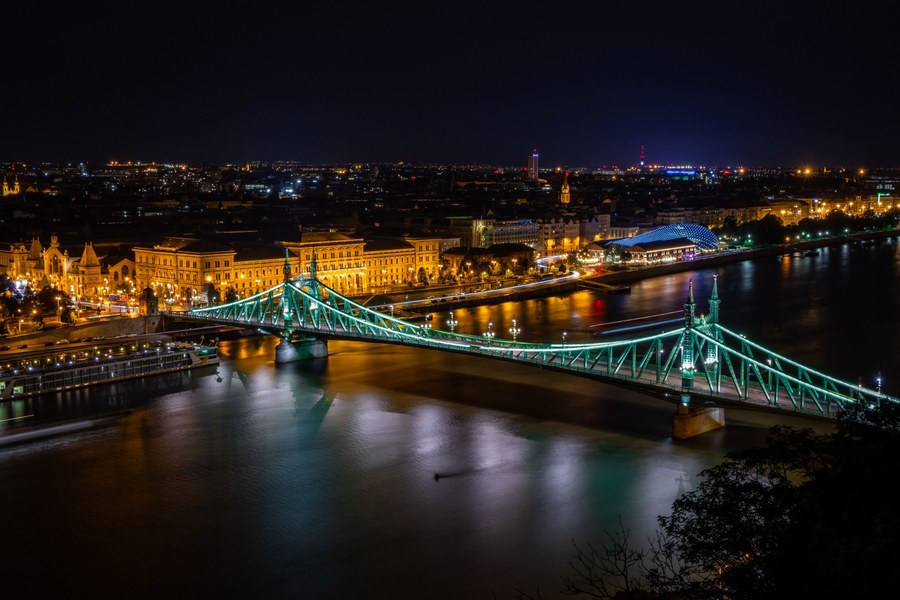
Budapest looks impressive by day, yet darkness reveals why many travelers remember it above every Danube cruise stop. Parliament glows beside the river, while Castle Hill rises through layers of warm golden light. The city suddenly feels both monumental and strangely intimate.
Most couples make the mistake of assuming their cruise ship provides the best nighttime view. Sometimes it does, especially during an evening sailing through central Budapest. However, docking schedules and berth locations can quietly remove that promised moment.
A separate sightseeing cruise offers more control over timing, seating, and the route. Riverside walks provide quieter views, while bridges create striking angles above the water. Rooftop venues add comfort, although glass railings and cocktails cannot replace the river’s moving perspective.
An Evening Cruise Through Illuminated Budapest
Once the boat leaves the dock, Parliament quickly commands the eastern bank. Across the Danube, Buda Castle, Fisherman’s Bastion, and Matthias Church glow above the darker hillside. Gellért Hill adds another illuminated layer farther south.
Budapest’s bridges create the rhythm between those landmarks. Chain Bridge feels stately, while Elizabeth and Liberty Bridges offer different shapes and colors. Their reflections stretch across the water, then disappear beneath the boat.
The Budapest Danube River sightseeing night cruise includes recorded commentary and one welcome drink. Its central departure point also simplifies evening planning. Still, couples should compare more than price before booking.
Basic cruises focus on sightseeing, while cocktail sailings create a more social atmosphere. Dinner cruises last longer and often include music or entertainment. Cruise-line sailings feel effortless, but passengers receive fewer choices about seating and departure times.
Check the pier location, boat design, indoor seating, duration, commentary, and included drinks. Arrive early when open seating applies. The finest skyline loses some charm when viewed behind six raised phones.
Evening Experiences Beyond the River
Budapest does not shut down once the final sightseeing boat docks. Pest continues with restaurants, rooftop bars, concert halls, and glowing boulevards. Buda becomes quieter, offering reflective walks and calmer viewpoints.
A classical concert can follow an early dinner without creating another exhausting sightseeing marathon. Historic cafés provide coffee, pastries, and unapologetically grand interiors. Rooftop drinks offer broad views, although evening reservations often matter during busy seasons.
Couples seeking romance should resist scheduling every hour. A slow walk beside the Danube may create a stronger memory than another ticketed attraction. That freedom often marks the difference between mature travel and expensive rushing.
Nighttime transportation also deserves attention. Confirm taxi arrangements, walking distances, and your return route before ordering another glass of wine. Seasonal winds beside the river can feel surprisingly sharp, even after a warm afternoon.
Comfortable shoes remain essential because Budapest’s pavements rarely respect elegant footwear. Bring a light layer and reserve popular dinners early. Then leave one part of the evening unplanned, because Budapest often saves its best moment for later.
For more ways to shape the evening, explore these romantic Budapest evenings you’ll never forget. The article covers experiences that suit couples who prefer atmosphere over rushing. It may also help you decide which moments deserve advance reservations.
Budapest Offers More Than Monumental Architecture
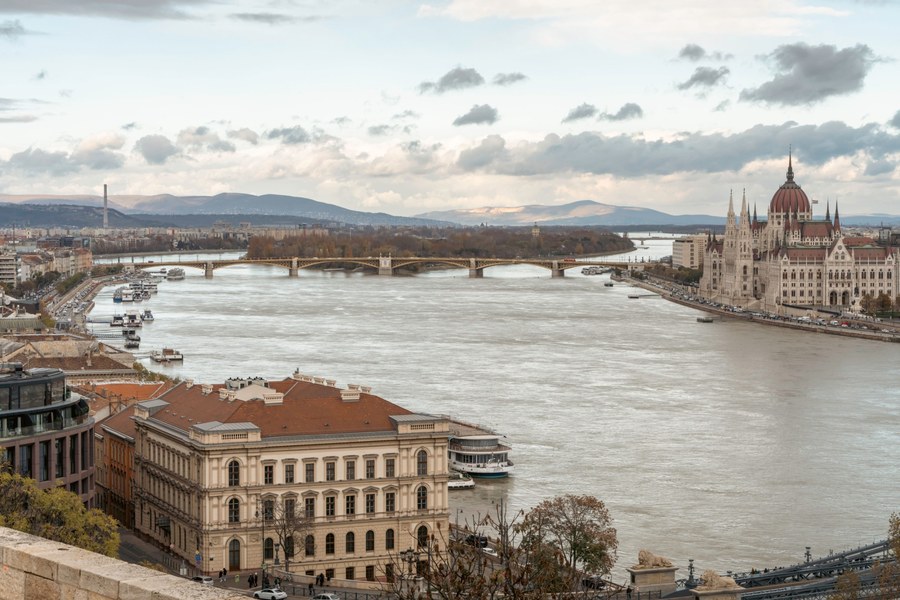
Budapest’s grand buildings attract attention first, but everyday pleasures often create the stronger connection. Paprika, thermal water, market chatter, and neighborhood cafés reveal another city. This quieter Budapest Danube cruise experience deserves room beyond the usual landmark checklist.
Many couples make the same mistake. They schedule every famous sight, then leave no time to taste, soak, or simply observe. A short port visit can include a market or food tour, but thermal baths deserve several unhurried hours.
Extra time before your cruise changes the balance. You can explore local flavors without watching the clock between every bite. Better yet, these slower experiences often become the stories you remember at home.
Hungarian Food, Wine, and Market Experiences
Hungarian cooking brings warmth, richness, and more paprika than cautious diners might expect. Goulash offers deep, savory comfort, while chicken paprikash arrives creamy and fragrant. Lángos, chimney cake, and Dobos torte cover the less restrained side beautifully.
Central Market Hall provides an easy introduction during a short visit. Stalls display sausages, spices, pastries, produce, and bottles from Hungary’s wine regions. Yet wandering alone may leave many flavors unexplained.
A guided food experience adds the stories behind each taste. This Budapest historical sightseeing walking tour explores local history and culture across central neighborhoods. Its relaxed pace can complement a separate market visit or wine tasting.
Tokaji may taste honeyed and luxurious, although dry versions also surprise first-time visitors. Bull’s Blood brings darker fruit and spice from Eger. Dry Furmint offers crisp acidity that pairs well with richer Hungarian dishes.
Explore more regional flavors through Budapest food and wine secrets sophisticated couples will love. The deeper story begins when tasting becomes cultural discovery. That shift deserves another glass and a little more time.
Budapest’s Thermal Bath Culture
Budapest’s thermal waters connect Roman engineering, Ottoman bathing traditions, and modern social life. Locals come to relax, talk, exercise, and escape the city’s pace. Visitors often arrive curious and leave wondering why every city lacks this arrangement.
Széchenyi offers grand outdoor pools and an energetic atmosphere. Gellért surrounds bathers with decorative tiles and historic interiors. Rudas feels more intimate, with Ottoman architecture and striking river views from its rooftop pool.
First-time visitors should allow several hours rather than squeezing baths between major tours. Reservations reduce uncertainty during busy periods. Swimwear, sandals, towels, lockers, and changing arrangements also deserve advance attention.
Comfort matters here.
Slippery floors, unfamiliar locker systems, and crowded changing rooms can create unnecessary frustration. Pack light, confirm rental policies, and choose the bath matching your mobility needs. Budapest reveals more when you stop treating relaxation as wasted sightseeing time.
A Pre-Cruise Stay Lets Travelers Experience Budapest Properly
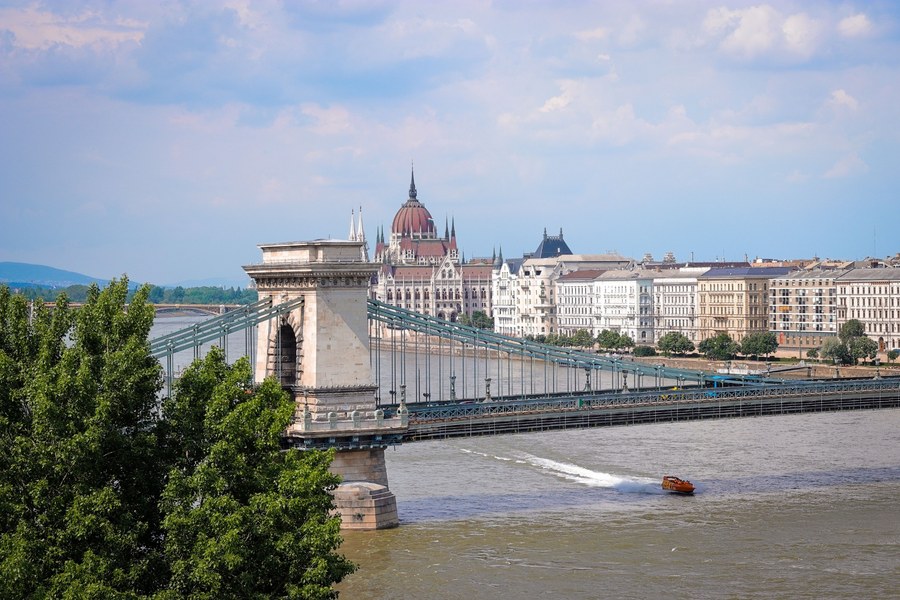
A brief port excursion can show Budapest’s highlights, but it cannot reveal the city without rushing. Buda and Pest each deserve focused attention. Trying to conquer both quickly turns discovery into logistics.
One night offers a welcome pause before embarkation. Two nights create enough space for landmarks, dinner, and an evening cruise. Three nights allow deeper experiences without exhausting mornings or tightly packed afternoons.
Location shapes those days. Danube hotels provide views and easy riverfront access, while central Pest offers convenient dining and sightseeing. Castle District stays feel quieter, whereas the Jewish Quarter brings more nightlife and neighborhood energy.
The hidden truth involves energy, not ambition. Most couples can see more than they can meaningfully absorb. Budapest rewards travelers who choose their pace before the city chooses it for them.
What to Do With One or Two Extra Days
Begin your first day near Parliament, then follow the Pest riverfront toward its memorials and historic squares. Continue to St. Stephen’s Basilica after lunch. Save the illuminated Danube for evening, when Budapest changes character completely.
A second day belongs naturally to Buda. Explore Castle Hill, Matthias Church, and Fisherman’s Bastion before crowds or fatigue begin winning. Later, choose a thermal bath and an unhurried Hungarian dinner.
Personal interests should shape any substitutions. Food lovers might replace a museum with a tasting tour. History enthusiasts could explore the Jewish Quarter, while quieter travelers may prefer Margaret Island.
Heroes’ Square also suits visitors drawn to national history and monumental design. Yet every addition removes time elsewhere. Mature travel often means choosing well, rather than collecting attractions like refrigerator magnets.
Planning Around Embarkation and Cruise Excursions
Review your cruise line’s included Budapest tour before purchasing anything privately. Many itineraries already cover Parliament’s exterior, Castle Hill, or central Pest. Duplicate sightseeing wastes both money and valuable independent time.
The Budapest Private Historical tour with Parliament Entry Option combines two signature experiences within one booking. Compare its schedule against your embarkation time carefully. A convenient package becomes inconvenient once your ship prepares to leave.
Hotel checkout also requires planning. Confirm luggage storage, transfer arrangements, docking locations, and the ship’s boarding window. Budapest uses several berths, so never assume your vessel awaits outside your hotel.
Schedule your most important experiences before boarding whenever possible. Cruise changes, docking adjustments, and included excursions can reshape later plans. Pre-cruise time gives you greater control and fewer compromises.
First-time cruisers should also understand the journey beyond Budapest. This simple guide to a first Danube River cruise explains the route, pace, and onboard experience. Knowing what comes next helps you decide what Budapest must provide first.
How Budapest Compares With Other Danube Cruise Highlights
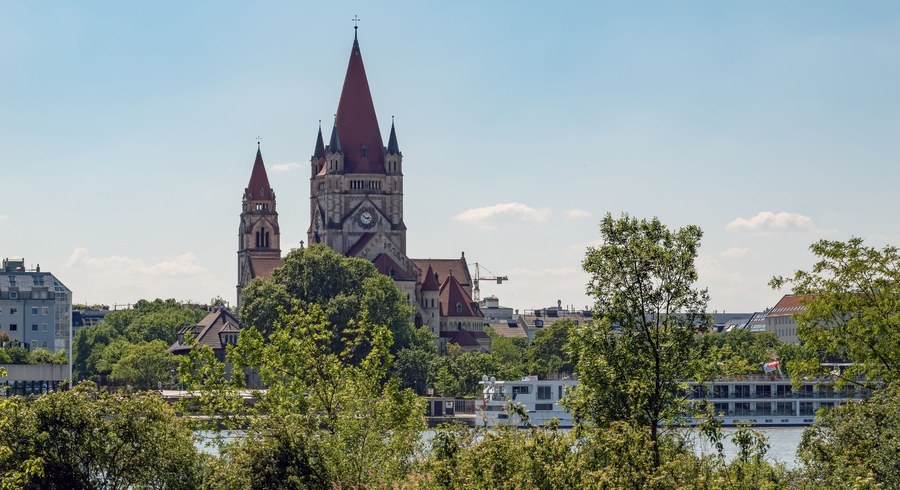
Every major Danube stop contributes something different, which makes ranking them rather pointless. Budapest brings urban energy, while the Wachau Valley offers vineyards, villages, and quieter scenery. Vienna, Bratislava, Passau, and Melk each change the journey’s rhythm again.
Budapest often becomes the highlight for couples who value architecture, history, food, and evenings with atmosphere. Scenery lovers may prefer the Wachau Valley’s riverbanks. Music enthusiasts might give Vienna the final vote.
The hidden truth involves contrast. Budapest feels more powerful because smaller ports surround it. Those gentler stops make its bridges, boulevards, and illuminated skyline feel even more dramatic.
Budapest Versus Vienna
Budapest announces itself from the river with Parliament, bridges, hills, and glowing waterfront landmarks. Vienna reveals its elegance through palaces, museums, concert halls, and formal public spaces. One feels dramatic, while the other feels composed.
During a short visit, Budapest delivers an immediate visual reward. Vienna often requires more movement between its greatest attractions. Neither approach works better for everyone.
Parliament competes with Schönbrunn Palace for architectural attention, although each tells a different national story. Budapest’s thermal baths encourage relaxation. Vienna’s coffeehouses turn lingering into a respected cultural practice.
Evenings sharpen the contrast. Budapest offers ruin bars, river views, and illuminated monuments. Vienna answers with classical concerts, polished dining, and music shaped by centuries of tradition.
Couples who enjoy spontaneity may connect faster with Budapest. Travelers who prefer refinement and structure often favor Vienna. Additional hotel nights help both cities reveal what brief cruise excursions cannot.
Budapest Versus the Danube’s Smaller Ports
Smaller ports provide a welcome change after Europe’s major capitals. Passau offers walkable streets and river views, while Melk draws attention toward its hilltop abbey. Dürnstein and the Wachau Valley bring vineyards, lanes, and quieter beauty.
These destinations usually feel easier. Couples can leave the ship, explore comfortably, and return without complicated transportation. Budapest provides more choices, although choice can create its own fatigue.
Bratislava sits somewhere between both experiences. Its compact old town feels approachable, while the castle adds broader city views. Visitors can experience its character without sacrificing an entire day.
Budapest offers greater variety, but smaller ports create breathing room. That balance strengthens the Danube cruise experience rather than weakening any destination. Grandeur feels richer after simplicity.
Your favorite stop may reveal more about your travel style than the itinerary itself. This Danube versus Rhine cruise comparison explores that choice through scenery, cities, culture, and pacing. The answer often depends on what you now value most when traveling together.
Let Budapest Become More Than Another Cruise Stop
Budapest earns its place among the most memorable Danube cruise destinations. River views, layered history, remarkable architecture, and Hungarian flavors create unusual depth. Thermal baths and illuminated evenings add experiences many cities cannot match.
Yet a standard excursion only reveals part of the story. One or two pre-cruise nights let you explore both riverbanks without racing. They also create room for slower meals, evening walks, and unexpected discoveries.
Before booking, study the complete itinerary carefully. Compare included excursions, docking locations, hotel neighborhoods, and walking demands. Decide which Budapest experiences would leave you disappointed if missed.
Your comfort matters as much as your sightseeing list. Castle Hill brings slopes and cobblestones, while central Pest offers easier access to many landmarks. Thoughtful planning protects your energy without shrinking the experience.
Ready to explore a Danube cruise built around your interests and preferred pace? Click Start Planning to begin creating a journey designed for you. We will help you sort through cruise lines, itineraries, cabins, hotels, and pre-cruise options.
You can also join our Facebook group for empty nester couples. Inside, you can discuss destinations, ask questions, and discover ideas for future journeys. Budapest may start the conversation, but the Danube rarely lets it end there.
P.S. Planning a Danube River cruise? Keep reading with these helpful guides:
• When to Cruise the Danube for the Best Experience
• Vienna in One Day: The Ultimate Danube Cruise Guide
• The Best Danube Cruise Route for First-Time Travelers