
The best time to cruise the Danube depends on what you want the river to reveal. Spring brings fresh landscapes, summer adds energy, and autumn slows everything into a richer rhythm. December transforms familiar cities with lights, markets, music, and the scent of warm spices.
Weather matters, but it never tells the whole story. Crowds, prices, daylight, river conditions, festivals, and scenery can change the experience more than expected. Most couples focus only on temperature, then discover timing shaped nearly every part of their cruise.
September often offers the strongest overall balance. Days usually feel comfortable, summer crowds begin thinning, and vineyards start showing early autumn color. Still, the ideal month may depend on whether you value quiet mornings, festive evenings, or longer days ashore.
That choice sounds simple until you compare the tradeoffs. A cheaper sailing may bring unpredictable weather, while perfect conditions may attract larger crowds. The river rewards couples who choose their season thoughtfully, and the differences become clearer month by month.
When Is the Best Time to Cruise the Danube?
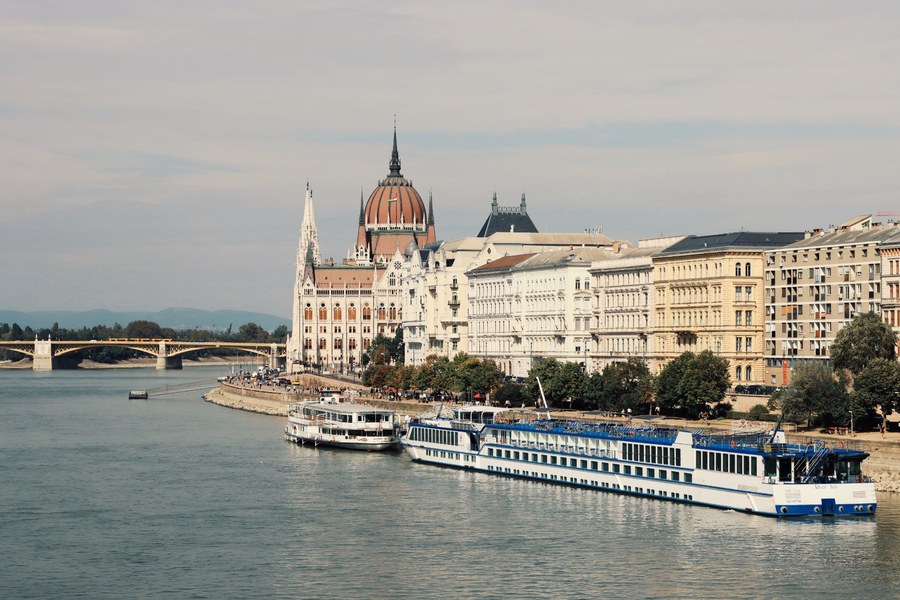
September offers the best time to cruise the Danube for most couples. Temperatures usually feel comfortable, summer crowds begin fading, and vineyards approach harvest. You can explore longer without battling July’s heat or December’s heavy coat requirements.
May provides greener landscapes, blossoming gardens, and cooler walking weather. June brings longer daylight and lively outdoor evenings, although popular landmarks feel busier. December delivers Christmas markets, glowing streets, and festive traditions that no warmer month can imitate.
The hidden truth involves priorities, not temperature alone. Your tolerance for crowds, heat, changing river conditions, and higher prices should influence your dates. Most couples choose weather first, then discover that daylight and destination atmosphere mattered equally.
The Best Overall Months for Most Travelers
May, June, September, and early October usually create the best balance. These months combine comfortable sightseeing, reasonable daylight, attractive scenery, and reliable access to seasonal experiences. Each period feels different, however, and those differences deserve attention.
Spring covers hillsides with fresh greenery while gardens brighten Vienna and nearby towns. Early fall replaces blossoms with golden vineyards, harvest activity, and cooler evenings. Both seasons reward couples who enjoy scenery without needing midsummer heat.
September generally wins for travelers who expect full sightseeing days. Early October suits couples who prefer crisp mornings and quieter streets. Before choosing, understand how a Danube River cruise works, because daily pacing changes how seasonal weather feels.
Choosing the Best Month for Your Travel Style
April and May suit travelers who enjoy cooler walks, spring flowers, and less crowded historic centers. Rain remains possible, so layers and flexible expectations matter. A quiet museum afternoon can suddenly feel like excellent planning.
June through August works better for couples who value long evenings and outdoor dining. Cities feel energetic, cafés stay lively, and daylight stretches well beyond dinner. Yet afternoon heat can make ambitious walking tours feel far less charming.
September through December brings harvest traditions, fall color, seasonal festivals, and Christmas markets. River conditions can still change throughout the year, as the International Commission for the Protection of the Danube River explains. Your perfect month depends on which tradeoffs you would gladly accept.
Cruising the Danube in Spring
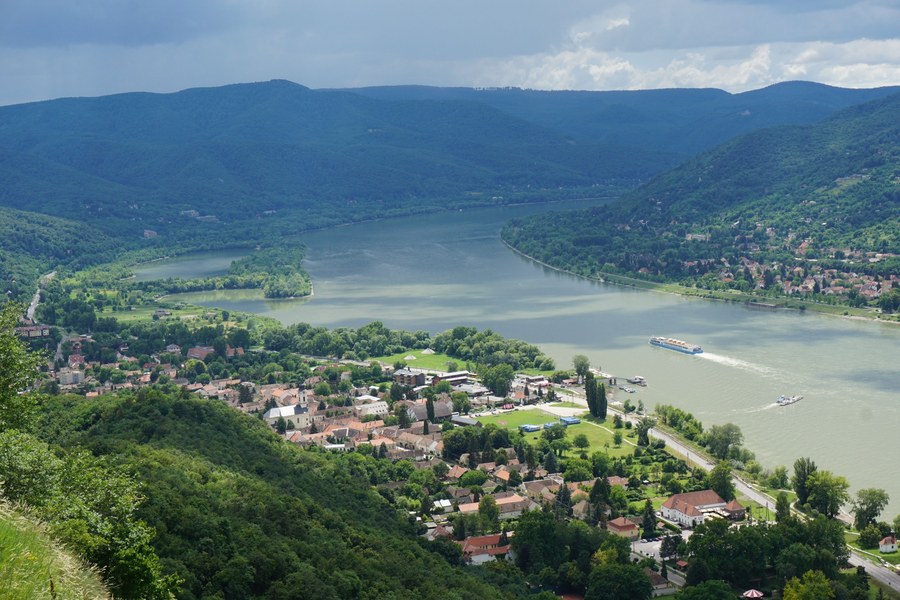
Spring brings cool mornings, mild afternoons, and landscapes that seem to brighten overnight. Temperatures can change quickly, while passing showers keep gardens and riverbanks intensely green. Packing layers matters more than packing another elegant dinner outfit.
Vienna’s gardens begin blooming as Bratislava’s historic streets remain pleasantly manageable. Budapest also feels easier before summer crowds fill its riverfront and thermal baths. The quieter pace lets couples linger without constantly checking the time.
Spring fares may cost less than popular summer and September departures. However, unpredictable weather and rising water can complicate plans along certain stretches. That tradeoff makes choosing between April and May more important than many travelers expect.
Danube Cruises in April
April rewards travelers who value space, cooler sightseeing, and a little spontaneity. Mornings often require jackets, while afternoon sunshine may briefly tempt you into carrying them. Rain remains possible, so comfortable waterproof shoes earn their suitcase space.
Smaller crowds make Vienna’s museums, palaces, and gardens more enjoyable. Bratislava’s Old Town feels calmer, with fewer tour groups filling its narrow streets. Budapest offers excellent indoor alternatives when spring weather changes its mind.
Melk Abbey also feels more intimate before peak-season visitors arrive. Gardens may still look restrained, but the architecture commands attention in any weather. April suits couples who prefer thoughtful exploration over perfect photographs.
Danube Cruises in May
May often provides the best spring balance for a Danube River cruise. Warmer afternoons, longer daylight, and greener hills create comfortable conditions for active sightseeing. Crowds remain manageable, especially during the month’s earlier departures.
Late May feels livelier and usually warmer, but demand begins climbing. Early May offers quieter streets and softer landscapes, although rain can still interrupt outdoor plans. Neither choice guarantees perfection, which may actually improve the experience.
The Wachau Valley becomes especially appealing as vineyards awaken and riverside villages reopen fully. Couples can cycle, taste local wines, or explore Melk Abbey without summer’s harsher heat. This Danube Valley and Melk Abbey tour combines several highlights in one day.
Spring also reveals why empty nesters fall in love with Danube River cruises. The pace feels comfortable without becoming sleepy. Yet summer changes that rhythm completely, and not always gently.
Cruising the Danube in Summer
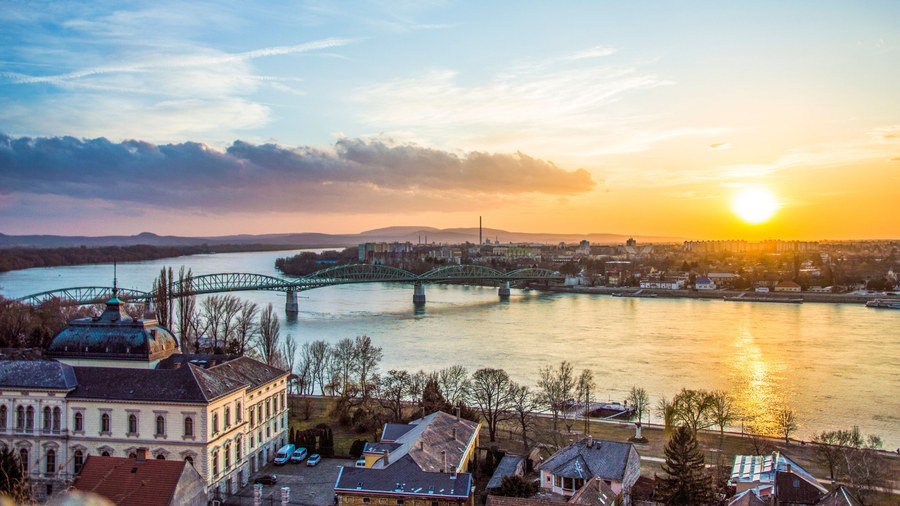
Summer brings the Danube’s warmest weather, longest days, and busiest ports. Outdoor cafés stay lively, while sun decks become prime territory. Unfortunately, everyone else received the same memo.
June usually feels gentler than July and August. Later summer brings stronger heat, larger crowds, and greater pressure on popular excursions. Low rainfall may also reduce river levels and disrupt sailing plans.
The best month for a Danube River cruise depends partly on your heat tolerance. Long daylight sounds wonderful until an afternoon walking tour becomes exhausting. Summer rewards thoughtful pacing, especially when comfort matters more than checking every box.
Danube Cruises in June
June offers warm days without the relentless heat often associated with midsummer. Daylight stretches into the evening, creating more time for outdoor dining and riverside walks. Budapest looks particularly striking after sunset, when its illuminated landmarks reflect across the water.
Couples can enjoy vineyard visits, cycling excursions, and evening concerts without rushing through dinner. However, visitor numbers often rise as European school vacations approach. Major festivals and events can also make hotels, attractions, and streets noticeably busier.
June works best for travelers who enjoy active days followed by relaxed evenings aboard. You gain more usable daylight, yet still avoid some midsummer intensity. That balance explains why desirable cabins often disappear sooner than expected.
Danube Cruises in July and August
July and August bring heat, crowded landmarks, and busy docking areas. Air-conditioned coaches become surprisingly important after several hours on cobblestone streets. Even experienced travelers can misjudge how draining repeated hot days feel.
Summer droughts may lower sections of the river enough to affect navigation. Cruise lines might adjust ports, arrange ship swaps, or replace sailing segments with bus travel. These changes can also create unexpected Danube cruise costs beyond the original fare.
Think honestly about mobility, excursion difficulty, and your preferred daily pace. A well-cooled cabin helps, but it cannot shorten a sweltering palace tour. Choosing shorter morning excursions often preserves enough energy for dinner and evening exploration.
A Bratislava day trip with a Danube catamaran return shows summer’s appeal clearly. The experience combines guided sightseeing, independent time, and scenic river travel. Still, autumn introduces a calmer version of the Danube that many couples prefer.
Cruising the Danube in Fall
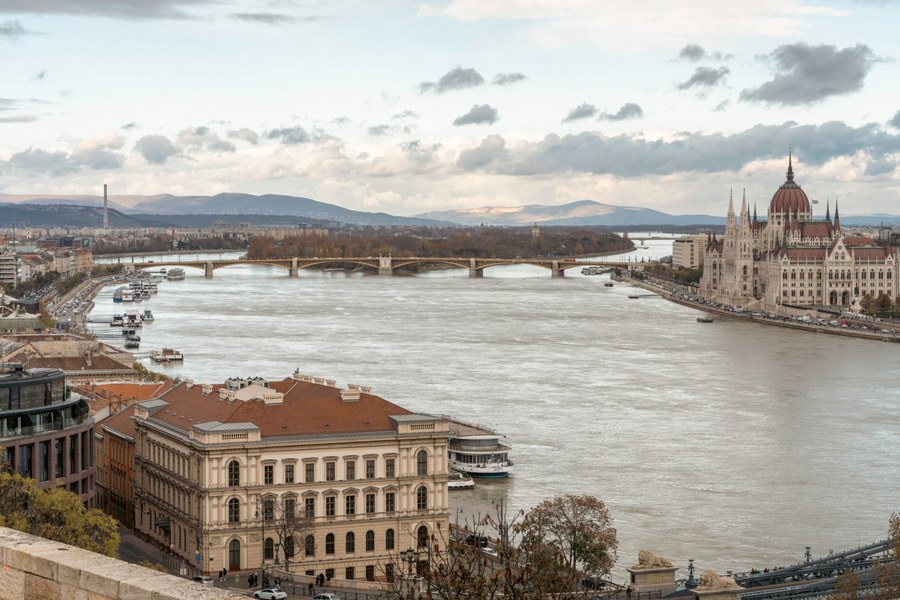
Fall may offer the best time to cruise the Danube for couples who value comfort, scenery, and calmer ports. September stays pleasantly warm, while early October adds cooler air and richer color. Family crowds thin, yet the river never feels sleepy.
Vineyards begin changing across Austria’s Wachau Valley as harvest activity gathers pace. Outdoor cafés remain inviting, especially during September’s softer afternoons. Popular departures still sell early, which surprises travelers expecting easy shoulder-season availability.
Danube Cruises in September
September creates the strongest overall balance for many Danube travelers. Days usually support walking tours, cycling, vineyard visits, and relaxed lunches outdoors. Summer crowds begin fading, but destinations remain fully active.
Early September often feels warmer and more energetic. Later departures bring cooler evenings, deeper vineyard color, and a stronger sense of seasonal change. Pack a light jacket, then prepare to carry it occasionally.
Harvest season adds another layer to the journey. Wine tastings feel connected to the landscape rather than inserted into an itinerary. That distinction matters when you prefer meaningful experiences over rushed sightseeing.
Danube Cruises in October
October brings crisp mornings, shorter daylight, and more noticeable fall foliage. Layered clothing becomes essential, especially during early excursions and evening walks. The reward comes through quieter streets and a more relaxed rhythm.
Early October generally provides warmer conditions and broader excursion choices. Later weeks may feel colder, while daylight disappears sooner than many travelers expect. Most couples underestimate that difference until afternoon plans begin feeling compressed.
Historic walking tours, museums, cafés, and wine tastings suit October especially well. Scenic sailing through Austria becomes more dramatic as hillsides deepen into gold and rust. Budapest also feels atmospheric after dark.
A Budapest Danube sightseeing night cruise with a drink reveals the city beneath illuminated bridges. Before booking, compare the season’s value using The Honest Danube Cruise Value Guide After 50. Winter soon changes the river again, replacing harvest colors with Christmas lights.
Christmas Market Cruises on the Danube
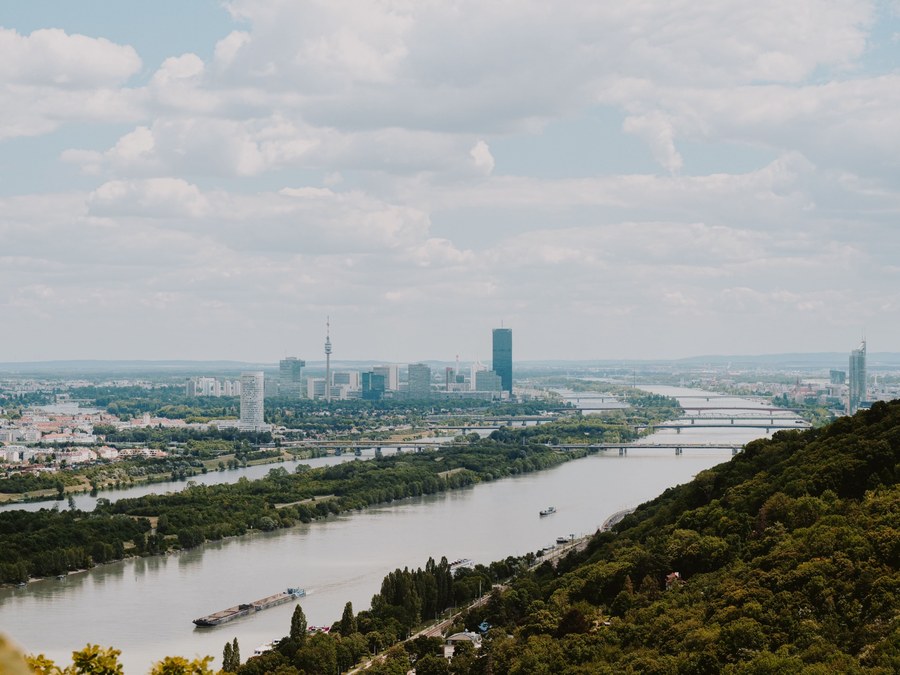
Christmas market cruises transform the Danube into a colder, brighter, and more theatrical journey. Late November and December bring illuminated streets, seasonal concerts, handcrafted gifts, and the scent of roasted almonds. Even confirmed sunshine lovers may reconsider winter.
Shorter daylight changes the daily rhythm. Warm coats, gloves, waterproof layers, and slip-resistant shoes matter more than polished evening clothes. Snow looks charming until icy cobblestones demand your full attention.
Festive sailings also involve tradeoffs. Popular markets can feel crowded, while limited daylight reduces sightseeing time beyond the holiday attractions. Opening dates vary, so careful planning protects the experience you pictured.
Late November Christmas Market Cruises
Late November often offers a quieter introduction to the season. Many markets begin opening during the month’s second half, although schedules differ by city. That uncertainty makes verification essential before choosing a departure.
Vienna, Regensburg, Passau, Bratislava, and Budapest rarely follow one shared calendar. Some markets operate daily, while smaller events open only on weekends. A cruise labeled “Christmas markets” may still arrive before every market opens.
The advantage comes through smaller crowds and a gentler festive atmosphere. You can browse stalls without advancing three inches whenever someone buys mulled wine. Check current dates through Austria’s official Christmas market guide before committing.
December Christmas Market Cruises
December delivers the strongest holiday atmosphere along the Danube. Historic squares glow beneath lights, choirs perform nearby, and decorated stalls feel fully established. Cities such as Vienna and Budapest become especially striking after dark.
Early December usually balances festive energy with more manageable crowds. Later weeks feel busier as local celebrations, weekend visitors, and holiday travel overlap. Couples seeking quieter evenings should avoid assuming every December departure feels identical.
Market closing dates matter just as much as opening dates. Many traditional markets close shortly before Christmas, while selected winter markets continue afterward. Sailings near December 24 require careful city-by-city checks.
Before comparing fares, review what a Danube River cruise actually includes. Included excursions and onboard events may add meaningful value during colder months. Yet the next timing question involves weather, water, crowds, and price.
How Weather, Water Levels, Crowds, and Prices Affect Your Choice
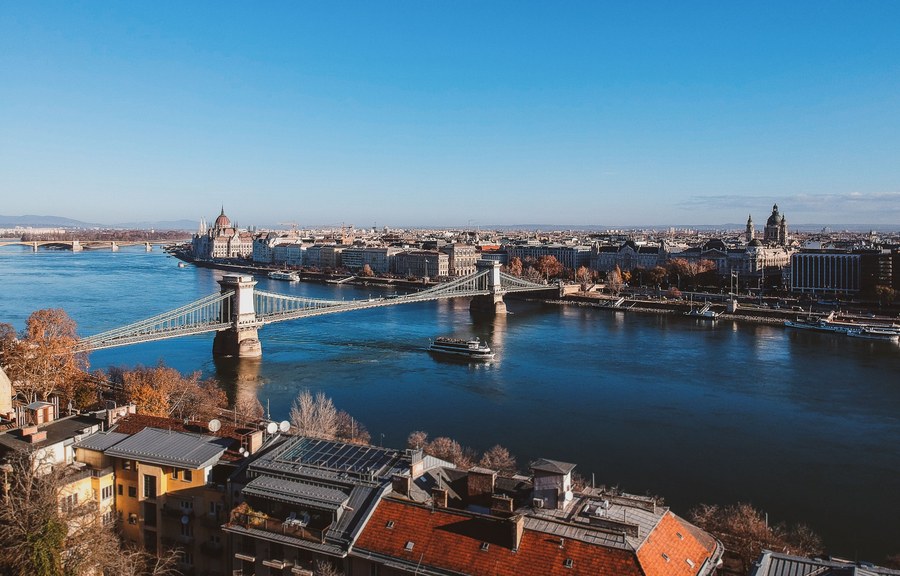
No month guarantees perfect weather, steady water, or every scheduled port. Seasonal patterns help, but rainfall, drought, snowmelt, and heat waves can quickly change conditions. The Danube does not consult your vacation calendar.
Most couples make one mistake. They choose dates around average temperatures while ignoring mobility, crowds, insurance, and total cost. Comfortable weather means little when packed streets or difficult excursions drain your energy.
The best time to cruise the Danube balances several competing priorities. Consider how you handle heat, cold, long walks, and unexpected changes. That honest assessment often matters more than another weather chart.
Understanding Danube Water Levels
High water can prevent ships from passing beneath bridges or reaching certain docks safely. Heavy rainfall and snowmelt may raise levels quickly. Cruise lines can then revise routes or use alternate docking locations.
Low water creates different problems. Ships may struggle through shallow sections, forcing itinerary changes, bus transfers, or ship swaps. Your cruise may continue, but the experience could feel less seamless.
River conditions can change within days. Nobody can reliably predict exact water levels months before departure. Flexible travelers usually handle adjustments better, especially when their insurance covers meaningful disruptions.
Comparing Crowds and Cruise Prices
Summer, September, and Christmas market sailings often attract stronger demand. Popular cabins may sell early, while flights and hotels can also cost more. A quieter season does not always mean a bargain.
April, early May, late October, and selected November departures may offer better pricing. Promotions vary by cruise line, cabin, itinerary, and booking date. Sometimes the cheaper cruise requires a surprisingly expensive flight.
Total value matters more than the advertised fare. Compare included excursions, transfers, beverages, gratuities, and cabin locations before deciding. A lower price can lose its appeal once exclusions begin multiplying.
Budapest also offers many Danube River tours and experiences before or after your cruise. Choose options matching your mobility and available time. The right season should support your travel style, not test your endurance.
Your Best Danube Cruise Season Starts With the Right Priorities
September offers the best overall balance for many Danube cruisers. May and June remain excellent choices for spring scenery and longer daylight. December wins when Christmas markets matter more than warmer afternoons.
Spring favors green landscapes, gardens, and cooler sightseeing. Summer suits couples who enjoy long evenings and active ports. Fall brings wine harvests, comfortable temperatures, and richer scenery.
Your best month depends on how you prefer to travel. Consider weather tolerance, crowd levels, budget, mobility, and itinerary flexibility. The right departure should feel exciting, not physically demanding.
Ready to stop comparing months and start building your trip? Start planning your Danube cruise with a journey shaped around your pace and priorities. You deserve something more personal than another standard package.
You can also join our Luxury Travel by Eric Facebook group for ideas, discussions, and practical travel guidance. Connect with other empty nesters planning meaningful vacations. Your next journey may begin with one useful conversation.
P.S. Planning a Danube River cruise? Keep reading with these helpful guides:
• Vienna in One Day: The Ultimate Danube Cruise Guide
• Why Budapest Is the Ultimate Danube Cruise Highlight
• The Best Danube Cruise Route for First-Time Travelers