
A South Africa safari for empty nester couples can deliver far more than wildlife sightings and dramatic photographs. You can pair game drives with excellent food, comfortable lodges, striking scenery, and meaningful cultural experiences. Few destinations combine so many different travel styles within one well-planned trip.
That flexibility matters more than many couples expect. Your safari might mean driving through Kruger National Park and choosing your own pace. Or it could mean a private reserve, guided drives, beautiful accommodations, and nearly everything handled for you.
The hidden truth is that both approaches can be excellent, but they create very different vacations. Some couples want independence, while others value ease, privacy, and more personal service. Choosing the wrong style can change the entire feel of your trip.
This guide will help you decide where to safari, how long to stay, and which lodge style fits you. We will also cover timing, Cape Town extensions, health considerations, safety, packing, and practical preparation. The best South Africa trip usually begins with one simple decision, what kind of experience do you actually want?
Is a South Africa Safari Right for You?
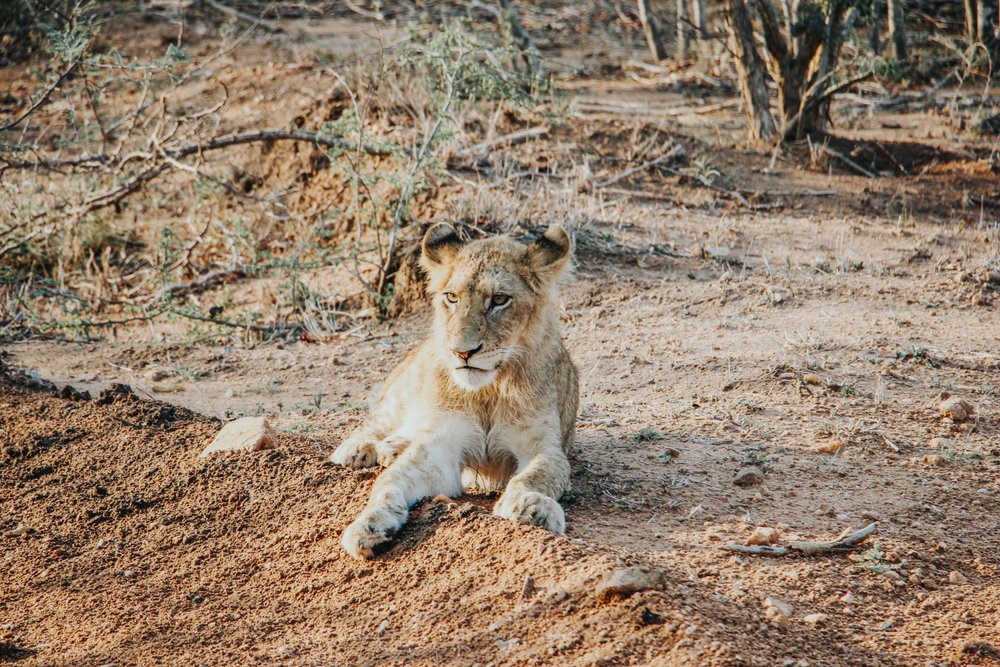
A South Africa safari feels adventurous, but it does not require sleeping on the ground or sacrificing every comfort. Many lodges pair remarkable wildlife viewing with excellent meals, comfortable beds, attentive service, and surprisingly peaceful surroundings. That balance makes South Africa especially appealing for travelers who want excitement without turning vacation into an endurance test.
Still, safari days follow a different rhythm than most vacations. Early mornings matter because animals often become more active before temperatures rise. Afternoon drives usually begin after several quieter hours spent eating, resting, reading, swimming, or simply watching the bush.
The physical demands deserve some attention before you book. You may climb into tall vehicles, bounce across uneven tracks, walk between buildings, and handle hot afternoons. Long international flights and road transfers can also make an overly ambitious itinerary feel harder than expected.
That does not mean safari travel must feel exhausting. Smart pacing changes everything. Couples who prefer thoughtful travel often discover that doing less creates a richer experience, a philosophy explored in Luxury Travel Planning for Couples: Why Doing Less Leads to More.
What the Safari Experience Actually Feels Like
Your alarm might ring before sunrise, when the lodge remains quiet and the air feels surprisingly cool. Coffee usually appears quickly, which suddenly becomes one of safari’s most important survival tools. Then you climb aboard your vehicle and head into the bush as daylight begins changing everything around you.
Morning drives may last several hours before returning for breakfast or brunch. Wildlife does not operate according to your itinerary, so guides constantly read tracks, sounds, movement, and recent sightings. You might find lions within ten minutes, or spend an hour slowly searching for something less cooperative.
That uncertainty becomes part of the attraction. Safari rewards patience more than frantic sightseeing, because observation often matters more than checking another attraction off your list. Experienced guides transform quiet moments by explaining behavior, ecosystems, tracks, birds, and details you would otherwise miss.
Midday usually brings several slower hours at the lodge. You can nap, enjoy lunch, watch animals near water, or simply sit somewhere without needing another scheduled activity. By late afternoon, another game drive begins and often continues through sunset.
Many private reserves include a sundowner stop during the evening drive. Drinks and snacks appear while the sky changes color and the bush settles into another rhythm. Dinner follows back at the lodge, and most guests discover bedtime suddenly seems quite reasonable.
A safari vacation therefore feels fuller than its itinerary appears. Traditional sightseeing trips can involve six attractions before dinner, while safari schedules may show only two drives. Yet those drives can consume hours of focused attention, conversation, movement, and genuine anticipation.
Comfort, Pace, and Physical Considerations
Not every safari vehicle offers the same experience. National parks may use enclosed vehicles or larger touring vehicles, depending on the operator and excursion. Private reserves often use open-sided four-wheel-drive vehicles that provide excellent visibility and a stronger connection with the surroundings.
Open vehicles can also mean dust, wind, sun, and surprisingly chilly mornings. Getting aboard may require climbing several steps, especially when vehicles use elevated seating rows. Anyone with knee, hip, balance, or mobility concerns should ask specific questions before confirming a lodge.
Walking safaris create another kind of experience entirely. Guests travel on foot with trained guides while focusing on tracks, plants, insects, smaller wildlife, and the surrounding ecosystem. These outings can feel fascinating, but they require more mobility and comfort walking over uneven terrain.
Some lodges offer rewarding wildlife viewing without requiring constant activity. Rooms, decks, pools, and dining areas may overlook rivers, waterholes, or open bush where animals regularly appear. Watching elephants from your breakfast table can make staying put feel remarkably productive.
Before booking, ask about stairs, pathways, room locations, air-conditioning, and distances between accommodations and common areas. Also confirm whether staff provide transportation around larger properties when walking becomes difficult. Those small details can determine whether your lodge feels relaxing or unnecessarily demanding.
Pacing matters just as much as physical ability. Staying four nights at one reserve often feels better than splitting those nights between multiple lodges. Fewer transfers mean more game drives, more rest, and less time repacking luggage nobody wanted to unpack again.
Consider protecting the days surrounding your safari as well. A quiet first night after arriving in South Africa can soften jet lag considerably. Another slower day afterward can help you appreciate what you experienced before rushing toward the next destination.
Where to Go on Safari in South Africa
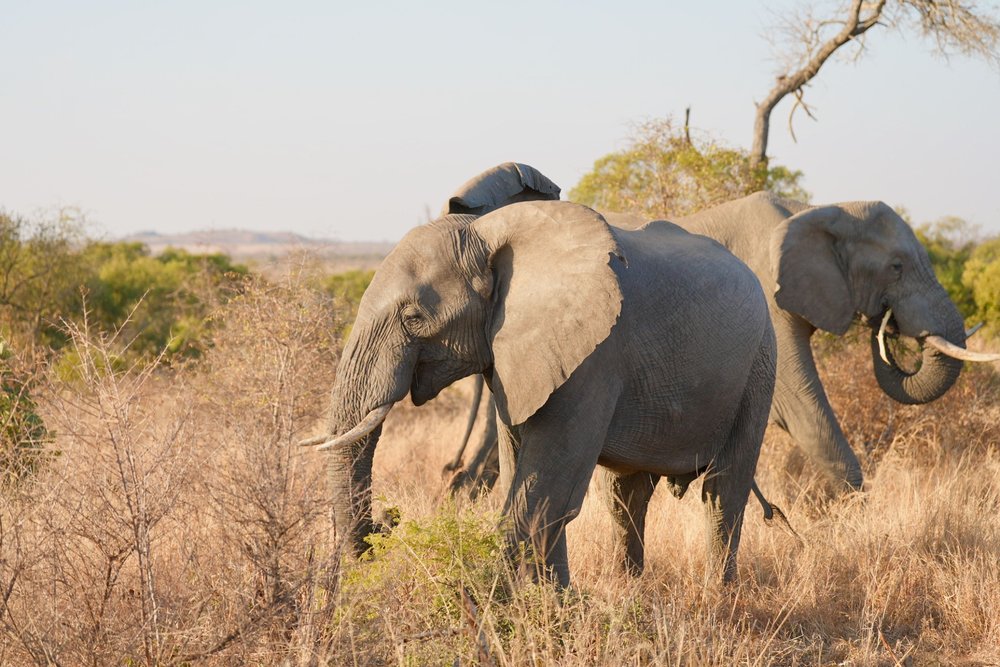
For many first-time visitors, Kruger becomes the natural starting point for a South Africa safari. Its huge landscape supports exceptional wildlife viewing, varied lodging, and several ways to explore. Yet Kruger represents only one version of safari, and that difference matters more than many couples expect.
The surrounding private reserves offer a more structured experience. Guides handle the driving, lodges organize meals, and smaller guest numbers often create a quieter atmosphere. Kruger offers greater independence, broader lodging choices, and more control over each day.
Neither approach automatically wins. Your best fit depends on how much freedom, service, privacy, and simplicity you value. Couples adding Cape Town should also consider malaria-free alternatives before committing to the Lowveld.
Kruger National Park vs. Private Game Reserves
Kruger National Park covers a vast section of northeastern South Africa. Public roads connect rest camps, viewpoints, and wildlife areas throughout the park. Visitors can self-drive, join guided activities, or combine both styles during one stay.
Self-driving gives you freedom, but it also demands attention. You choose routes, watch signs, scan for animals, and decide when to stop. Some couples love that independence, while others prefer letting an experienced guide manage the details.
Private reserves around Greater Kruger create a different rhythm. Lodges often include guided drives, meals, and selected activities in the stay. Some reserves permit controlled off-road tracking, which can create closer wildlife-viewing opportunities.
That added structure appeals to couples who value ease. You unpack, follow the lodge schedule, and let guides interpret what unfolds around you. Independent travelers may prefer Kruger, while service-focused couples often lean toward private reserves.
You can also experience Kruger with dedicated guidance. A Full Day Private Kruger Park Safari offers private transportation and guided wildlife viewing. It provides a useful middle ground for couples wanting independence without managing every detail themselves.
Malaria-Free Safari Alternatives
Kruger deserves its reputation, but it does not suit every itinerary. Some couples prefer malaria-free reserves, especially when health considerations influence travel planning. That choice should still account for wildlife quality, scenery, lodge standards, and travel time.
The Eastern Cape offers malaria-free safari options that pair naturally with Cape Town and South Africa’s southern regions. Travelers can combine city time, wine country, coastal scenery, and safari with fewer internal flights. For many couples, that simpler routing creates a more relaxed trip.
Convenience should not decide everything. Greater Kruger delivers the classic Lowveld setting many travelers picture when imagining South Africa. The Eastern Cape reduces logistical friction, while Kruger may better satisfy couples seeking that iconic safari environment.
That tradeoff deserves careful thought before you book flights. The right answer depends less on prestige and more on your preferred travel rhythm. Once you settle that choice, the rest of your South Africa itinerary becomes much easier to shape.
How to Choose the Right Safari Lodge and Game-Drive Experience
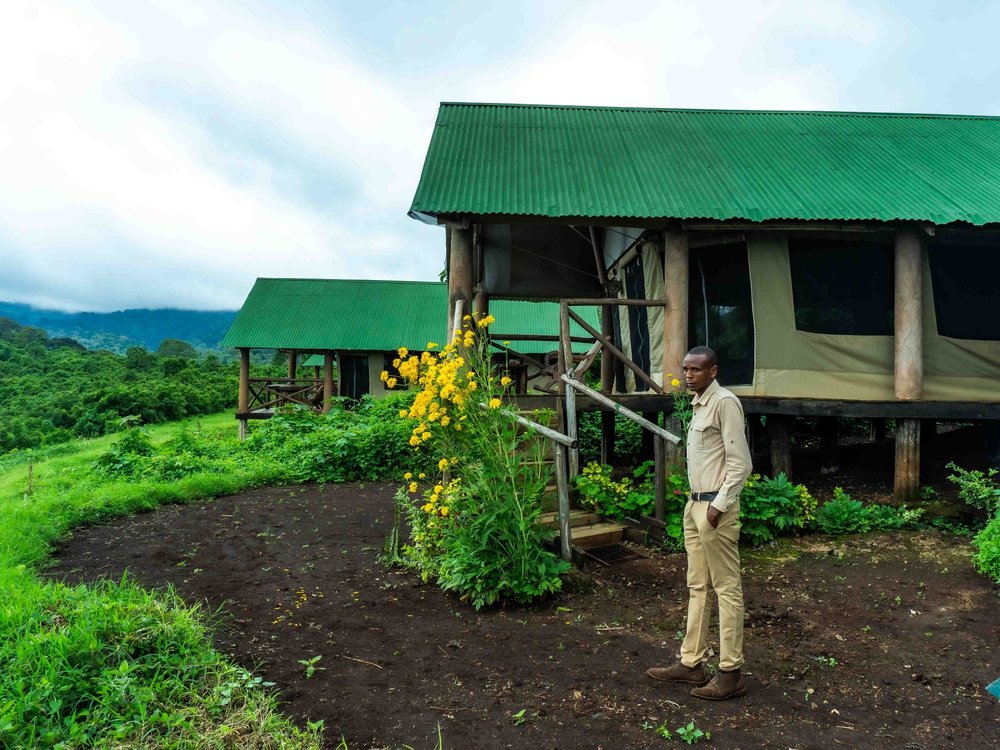
Your safari lodge determines far more than where you sleep each night. It shapes your wildlife access, meals, guides, downtime, vehicle experience, and daily comfort. Two beautiful lodges can produce remarkably different safaris.
Price alone rarely tells the full story. One rate may include meals, drinks, game drives, transfers, laundry, and activities. Another attractive price may cover little beyond the room.
This is where many couples compare the wrong things. They focus on suite size or photographs before examining location and guiding quality. A gorgeous bathtub matters less when your wildlife experience disappoints.
Before comparing prices, confirm exactly what each rate includes. Ask about drive schedules, vehicle capacity, meals, beverages, transfers, conservation fees, and additional activities. Those details reveal the true value surprisingly quickly.
Location deserves equal attention. A well-positioned lodge can reduce driving time while improving access to productive wildlife areas. Experienced guides can then transform an animal sighting into something you genuinely understand.
That distinction connects directly with The Hidden Luxury Travel Mistake Couples Make. Luxury works best when your choices improve the actual experience. Expensive surroundings alone cannot accomplish that.
Luxury Lodge, Tented Camp, or National Park Rest Camp
Luxury safari lodges usually provide the highest levels of privacy, service, dining, and personal attention. Many include spacious suites, air-conditioning, private decks, plunge pools, and carefully prepared meals. You also pay for that comfort and convenience.
Permanent tented camps sit somewhere travelers sometimes misunderstand. Forget childhood camping with damp sleeping bags and questionable bathroom arrangements. Many upscale camps feature proper beds, electricity, private bathrooms, excellent dining, and attentive service.
The canvas walls change the atmosphere dramatically. You hear birds, insects, wind, and distant animal calls more clearly. That closeness can make the bush feel present even while you rest.
Kruger rest camps generally offer greater independence and simpler accommodations. They suit travelers who value location, flexibility, and access over elaborate service. Meals and amenities vary, so research becomes more important before booking.
Check practical features before falling for beautiful photographs. Look for air-conditioning, mosquito protection, backup power, Wi-Fi, laundry service, outdoor showers, and plunge pools. Also ask how far your room sits from dining areas and vehicle departure points.
That final question sounds minor until darkness arrives. Large safari properties can involve considerable walking, sometimes across uneven paths. Comfort often hides inside details that booking photographs conveniently ignore.
What to Look for in Game Drives
The vehicle matters almost as much as the wildlife. Smaller safari vehicles usually offer better sightlines, easier conversation, and fewer heads blocking your photographs. Ask exactly how many guests share each vehicle.
Also confirm the seating arrangement before booking. Open-sided vehicles often use raised rows, giving passengers broad views across the bush. A guaranteed outside seat can noticeably improve several hours of wildlife watching.
Timing changes the experience too. Morning drives begin when temperatures feel cooler and many animals remain active. Afternoon drives often continue through sunset as the bush shifts toward evening.
Night drives reveal another side of the landscape. Darkness brings different sounds, behaviors, and animals that daytime visitors may never encounter. SANParks explains its Kruger game-drive options here.
Great guides add far more than transportation. They read tracks, interpret behavior, understand habitats, manage safety, and notice details most visitors would miss. Skilled trackers can add another layer by following subtle signs across the landscape.
That expertise changes how you remember a sighting. Seeing an elephant feels impressive. Understanding what its movements reveal can make that same encounter stay with you years later.
Best Time to Visit and How Many Safari Days You Need
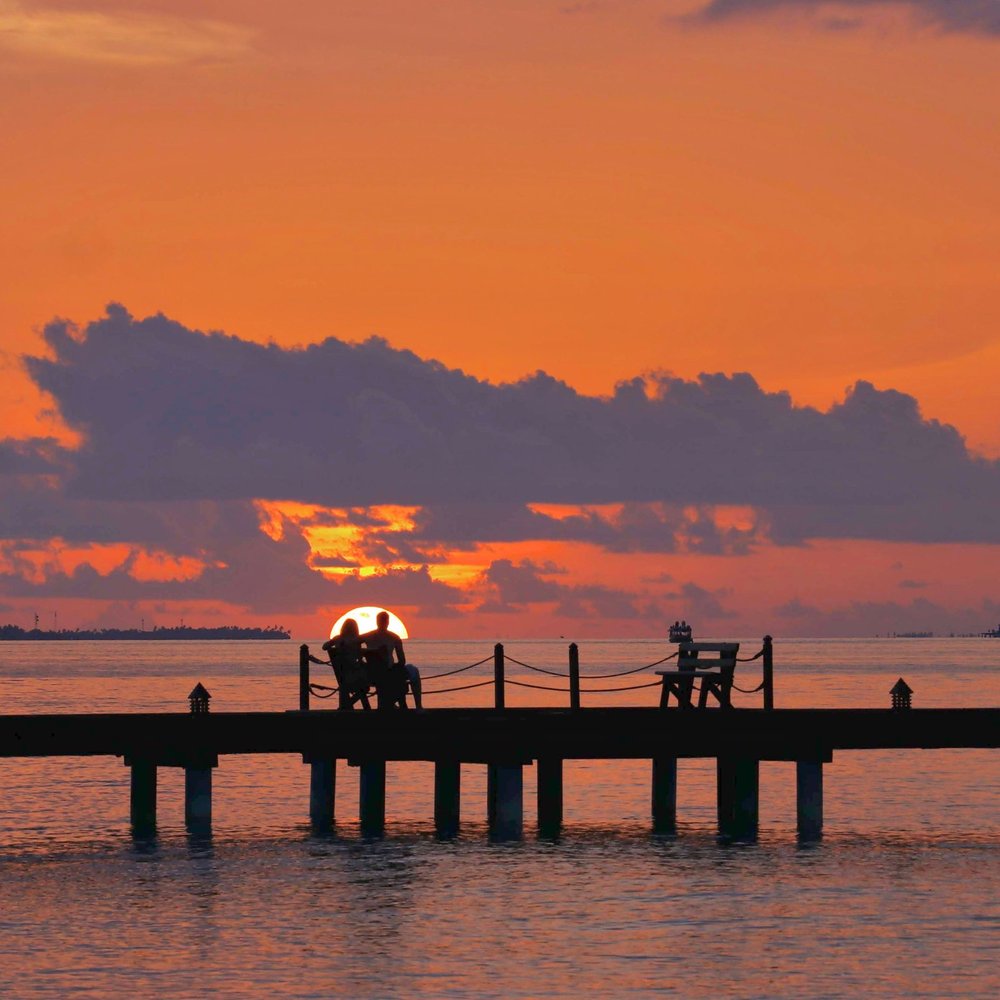
The best time for a South Africa safari depends on what matters most to you. Wildlife viewing, Cape Town weather, scenery, crowds, and photography all shift through the year. No single month delivers every advantage at once.
Many couples instinctively search for the “best” season, expecting one perfect answer. South Africa makes that approach difficult because its major regions follow different weather patterns. Your ideal timing depends on how you balance safari conditions with everything surrounding it.
Trip length deserves equal attention. A two-night safari may look efficient on paper, especially within a longer South Africa itinerary. However, travel time can consume enough of those days to make the experience feel frustratingly brief.
That hidden cost matters. Safari works best when you have enough time to stop watching the clock. Sometimes another night creates more value than another destination.
South Africa Safari Seasons
The Lowveld’s dry season generally runs from May through September. Cooler temperatures and thinner vegetation can make animals easier to spot. Wildlife also gathers around shrinking water sources, improving your chances of concentrated sightings.
Those conditions can favor photography as well. Less dense vegetation often provides clearer views, while dry landscapes create warm, muted backgrounds. Early mornings may feel surprisingly cold, so layers become important.
Summer brings a very different safari. Rain transforms the bush into a greener landscape, while temperatures rise and vegetation thickens. Migratory birds arrive, newborn animals appear, and afternoon storms can add drama to the scenery.
Wildlife may become harder to spot through dense vegetation. However, photographers often love the richer colors and dramatic skies. Couples interested in birdlife may actually prefer this greener season.
Cape Town complicates the timing question. Its summer months generally bring warmer, drier conditions than its winter months. That means ideal Cape Town weather does not perfectly match classic dry-season safari conditions.
You may therefore need to choose which experience carries greater weight. Some couples prioritize safari visibility, while others want warmer Cape Town days. The best itinerary often accepts a small seasonal compromise rather than chasing perfection.
How Long to Stay on Safari
Three nights can provide a meaningful introduction to safari. You may enjoy several game drives, depending on your arrival and departure times. Yet one delayed flight can quickly shrink that comfortable-looking schedule.
Four nights usually creates a better balance. You gain additional drives while preserving time for long breakfasts, afternoon naps, and quiet lodge hours. That slower rhythm often becomes part of what couples remember most.
Five nights gives wildlife viewing more room to unfold naturally. Different days can produce completely different sightings, even along familiar routes. Extra time also reduces the temptation to treat every drive like a final opportunity.
What most couples do wrong is count hotel nights instead of actual safari opportunities. Arriving late may eliminate your first afternoon drive entirely. Departing early can erase the final morning experience just as easily.
Before booking, ask exactly when game drives occur around arrival and departure. Then count how many drives your itinerary realistically includes. That number tells you more than the hotel-night total ever will.
If your schedule feels crowded, consider why empty nesters should stop overplanning their luxury trips. Safari rewards that philosophy unusually well. Leaving breathing room can turn a good trip into a far richer one.
Combining Safari With Cape Town and the Cape Winelands
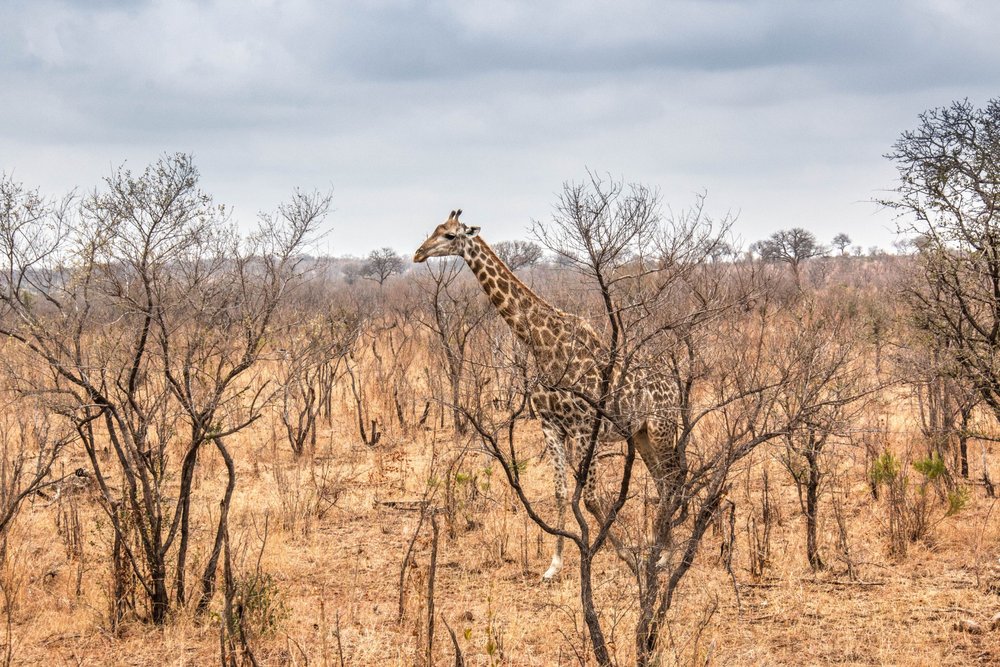
A South Africa safari becomes far more interesting when the trip includes Cape Town and the Cape Winelands. Wildlife creates one rhythm, while the coast, mountains, restaurants, and history create another. That contrast keeps the journey feeling fresh.
Cape Town adds energy after quieter safari days. You can ride Table Mountain, explore the waterfront, follow the coast, and visit important historical sites. Even the pace feels different, which helps the trip avoid becoming too repetitive.
The Winelands then slow things down again. Stellenbosch and Franschhoek bring vineyard lunches, historic streets, mountain scenery, and serious food. Couples who enjoy this style may also appreciate why empty nesters love the Douro Valley’s food and wine.
What to Do in Cape Town
Three nights in Cape Town can cover the major highlights, but the schedule may feel busy. Four nights creates more breathing room between full-day outings. That extra night can change the entire tone of the stay.
Start with Table Mountain and the V&A Waterfront. Then consider the Cape Peninsula, Cape Point, Boulders Beach, and meaningful historical sites. These experiences show how dramatically Cape Town differs from the safari regions.
A guided day can remove considerable friction. The Cape of Good Hope and Boulders Penguins Day Tour includes hotel pickup and major peninsula stops. It also reduces the stress of unfamiliar roads and navigation.
Private transfers can make sense for couples wanting more control. You choose the pace, shorten stops, and linger where something genuinely interests you. That freedom becomes valuable when you no longer enjoy racing through vacations.
Adding Stellenbosch and Franschhoek
The Cape Winelands work as a day trip, but staying overnight creates a different experience. You gain slower mornings, longer lunches, and evenings without returning to Cape Town. Sometimes that quieter version becomes the part couples remember most.
Stellenbosch offers history, wine estates, and attractive streets beneath mountain scenery. Franschhoek leans heavily into food, wine, and leisurely afternoons. The wider Cape Winelands region includes many towns, estates, and culinary experiences.
A guided wine tour solves one obvious problem. Nobody needs to negotiate who stops tasting after lunch. The Franschhoek and Stellenbosch Wine Tour from Cape Town visits both regions within one day.
Group tours usually cost less and require little planning. Private tours offer slower tastings, specific winery requests, and more flexible lunch timing. For many empty nester couples, that control matters more than squeezing another estate into the schedule.
Health, Safety, Flights, and Practical Safari Preparation
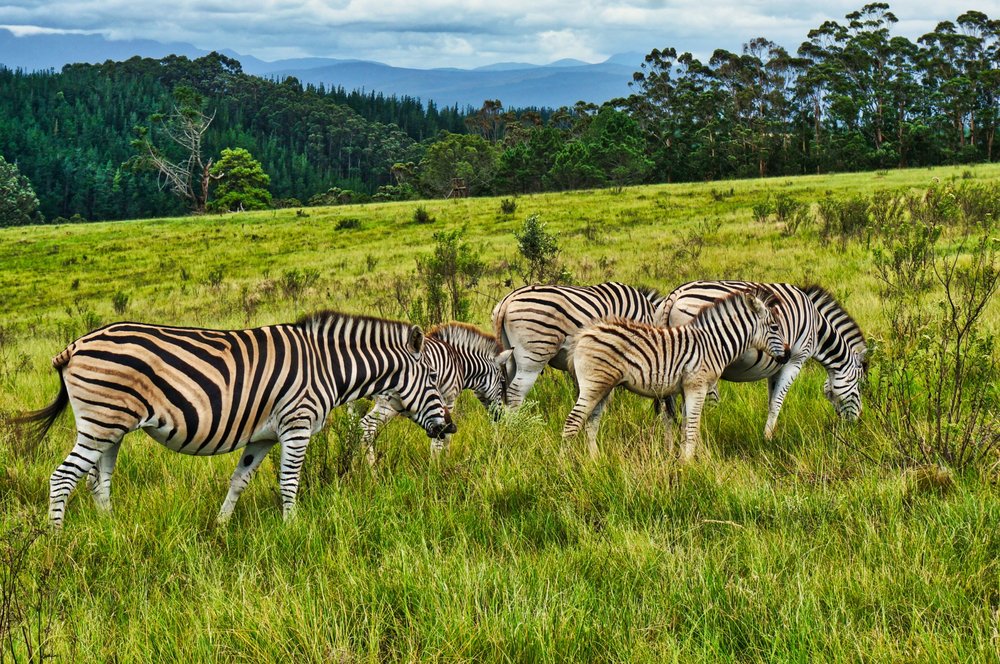
A South Africa safari rewards thoughtful preparation more than buying an entirely new wardrobe. Passports, medications, insurance, transfers, baggage limits, and flight timing deserve attention first. Khaki shirts with seventeen pockets can wait.
Long flights also shape how you feel when safari begins. Build enough connection time, confirm luggage limits on smaller aircraft, and arrange dependable transfers before arrival. Nobody wants their first wildlife sighting occurring through an airport window.
Review current entry and safety information through the U.S. Department of State’s South Africa travel guidance. Current guidance requires passports valid 30 days beyond departure and two consecutive blank visa pages. Requirements can change, so check again shortly before traveling.
Thoughtful preparation creates freedom once you arrive. That same principle applies elsewhere, as explored in The Truth About Luxury Machu Picchu Travel. Good luxury travel removes unnecessary friction without removing the adventure.
Health and Malaria Considerations
Malaria risk varies considerably across South Africa. The CDC currently identifies Kruger National Park and several northeastern districts as malaria transmission areas. Cape Town and many other regions carry different risk profiles.
That makes personalized medical advice important. Discuss your exact itinerary, medications, medical history, and travel dates with a qualified healthcare professional. The CDC’s South Africa traveler guidance provides current destination-specific recommendations.
Mosquito protection still matters regardless of medication decisions. Use effective repellent and wear long sleeves or pants when conditions increase exposure. Choose screened or protected sleeping areas and follow current medical guidance for your specific itinerary.
Most importantly, avoid treating another traveler’s malaria decision as your own answer. Different routes, seasons, medications, and health histories can change recommendations. Personal advice matters more than whatever worked for your neighbor three years ago.
Safety, Entry Rules, and Packing
South Africa requires the same practical awareness you would bring to many major international destinations. Arrange reputable transfers, avoid displaying valuables unnecessarily, and follow local guidance about unfamiliar areas. Around wildlife, follow your guide’s instructions every single time.
Check passport, visa, and entry requirements again before departure. The State Department’s South Africa information also covers transportation, safety, local laws, and current entry guidance. A six-month-old checklist should never outrank current official information.
Pack for comfort rather than costume. Bring neutral clothing, light layers, closed shoes, sun protection, binoculars, medications, and your preferred camera equipment. Add charging adapters, a lightweight rain layer, and a small day bag.
Early drives can feel cold before afternoons turn surprisingly warm. Layers solve that problem better than packing separate outfits for every temperature change. Comfortable clothing also matters during long hours inside safari vehicles.
Leave some suitcase space too. Most travelers need fewer safari clothes than expected, especially when lodges offer laundry service. Your photographs will feature elephants, not an audit of whether you repeated Tuesday’s shirt.
Your South Africa Safari Should Fit the Way You Travel
The best South Africa safari for empty nester couples begins with choices that match how you actually travel. Choose your safari region, lodge style, season, and number of nights with equal care. Then decide whether Cape Town or the Winelands belongs beside the wildlife experience.
The strongest itineraries rarely chase the greatest number of stops. They create time for repeated game drives, slow lunches, afternoon rests, and quiet hours at the lodge. Those unscheduled moments often become surprisingly important once the bush begins setting your pace.
Comfort matters, but luxury alone should never choose your safari. A beautiful suite cannot fix exhausting transfers, poor pacing, or an experience that ignores your health needs. Your ideal trip should fit your mobility, interests, energy, curiosity, and preferred level of service.
If South Africa feels right, start planning your trip with Empty Nester Getaways. We can help shape the safari around your priorities instead of forcing you into someone else’s itinerary. The goal is simple: more of what matters to you, and less rushing between places.
Still exploring ideas? Join Luxury Travel by Eric: Empty Nester Couples Vacations on Facebook. You can ask questions, compare destinations, and connect with other empty nesters who enjoy thoughtful travel. Sometimes the next trip becomes clearer after hearing how another couple approached theirs.

Leave a Reply