
For many travelers, the Danube feels like the natural home of Europe’s Christmas markets. Vienna glows, Budapest sparkles, and riverside towns wrap themselves in lights and cinnamon-scented air. Yet the Danube tells only one version of Europe’s holiday story.
Look west, and the atmosphere changes. Rhine cities pair cathedral squares with vineyard towns, while Alsace adds timbered villages and French-German traditions. Prague, Belgium, and London bring different foods, rhythms, crowds, and reasons to linger.
The hidden truth is that European Christmas markets beyond the Danube do not offer one clear substitute. Some work beautifully from a river ship, while others reward slow rail travel or several nights in one city. Choosing well requires more than counting market stalls.
What most couples do wrong is chase famous names until the trip becomes a cold-weather endurance test. You may want grand evening spectacles, quiet village squares, serious food, easier walking, or fewer hotel changes. Those priorities matter more than anyone else’s list of “must-see” markets.
This guide compares the experiences, not just destinations. You will see where scale, atmosphere, mobility, trip length, and travel style genuinely change the journey. One route may sound familiar, but another could fit you far better.
Why Look Beyond the Danube for a European Christmas Market Trip?
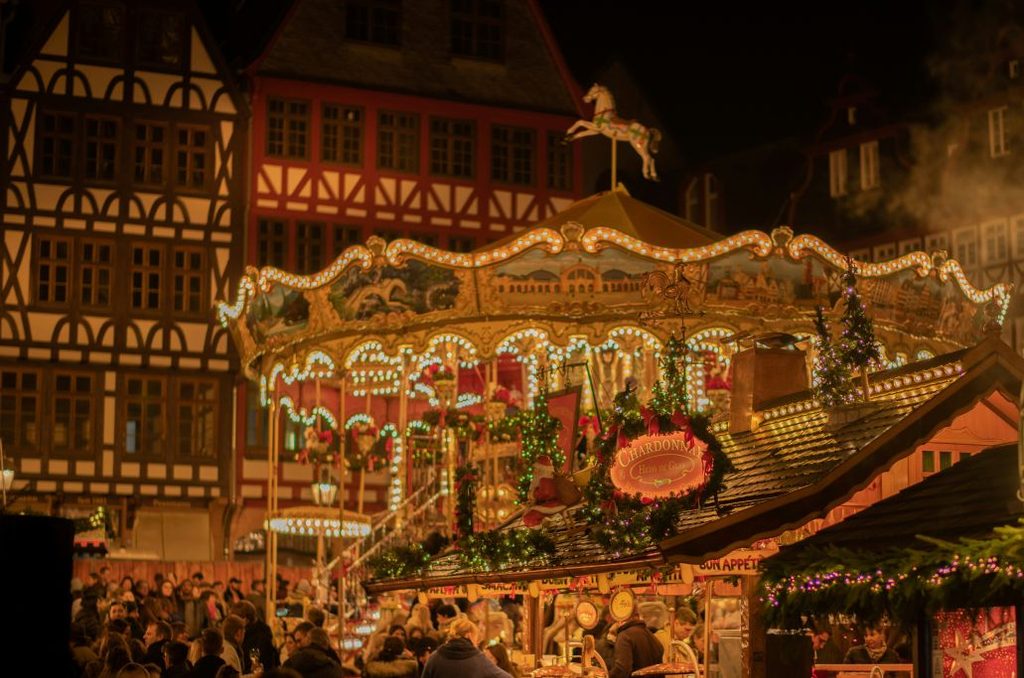
For many couples, the Danube becomes the default because its famous capitals make choosing feel easy. Vienna promises imperial elegance, while Budapest delivers drama beside the water. However, European Christmas markets beyond the Danube reveal a broader, more personal holiday landscape.
Along the Rhine, cathedral squares glow near vineyard towns and castle-lined riverbanks. Alsace adds French-German villages where timbered houses lean above narrow lanes. Prague brings Czech traditions, while Belgium answers with chocolate, beer, waffles, and absolutely no concern for calorie counting.
These alternatives suit travelers who want variety without collecting cities like ornaments. Some couples prefer smaller towns, regional foods, and evenings they control themselves. Others simply want freedom to follow a promising side street without checking the ship’s departure time.
Rhine Christmas Markets Versus Danube Christmas Markets
The Danube builds its holiday appeal around major cities. Vienna offers palaces, concert halls, grand cafés, and lively markets beneath imperial architecture. Budapest adds illuminated riverfronts and a stronger sense of urban drama.
By contrast, the Rhine places scenery beside the celebration. Cologne gathers several markets around its cathedral and distinct neighborhoods. Farther south, Strasbourg, Rüdesheim, and nearby Alsace villages mix vineyards, medieval streets, and smaller squares.
The hidden truth concerns what you want between market visits. Danube travelers often value recognizable capitals, cultural depth, and generous time aboard. Rhine travelers may prefer castle views, regional food, and frequent changes in atmosphere.
Neither river wins every comparison. One couple remembers Vienna’s music, while another recalls sipping warm wine beneath Cologne Cathedral. Our Danube versus Rhine cruise comparison explains how each route shapes the entire vacation.
River Cruise, Rail Journey or Single-City Stay
A river cruise removes much of the work. You unpack once, avoid repeated transfers, and let the ship carry you toward tomorrow’s market. That simplicity protects energy, especially after several cold days on cobblestones.
Still, convenience comes with boundaries. Port schedules decide when you arrive, when you leave, and whether you see the markets after dark. The real appeal of river cruising becomes clearer when you compare that structure with complete independence.
Rail travel gives couples more control over evenings, day trips, and time within each city. It also brings luggage, station platforms, connection times, and occasional marital discussions about whose platform information looked correct. Freedom rarely travels without baggage, sometimes literally.
What most couples do wrong is assume more flexibility automatically creates a better trip. A well-positioned base in Strasbourg, Prague, or Brussels can provide freedom without constant hotel changes. The better choice depends on how much planning you want to handle after breakfast.
One question usually reveals the answer. Do you want someone managing the journey, or do you prefer shaping each day yourself? That distinction will shape every market choice that follows.
Strasbourg, Colmar and Cologne Along the Rhine
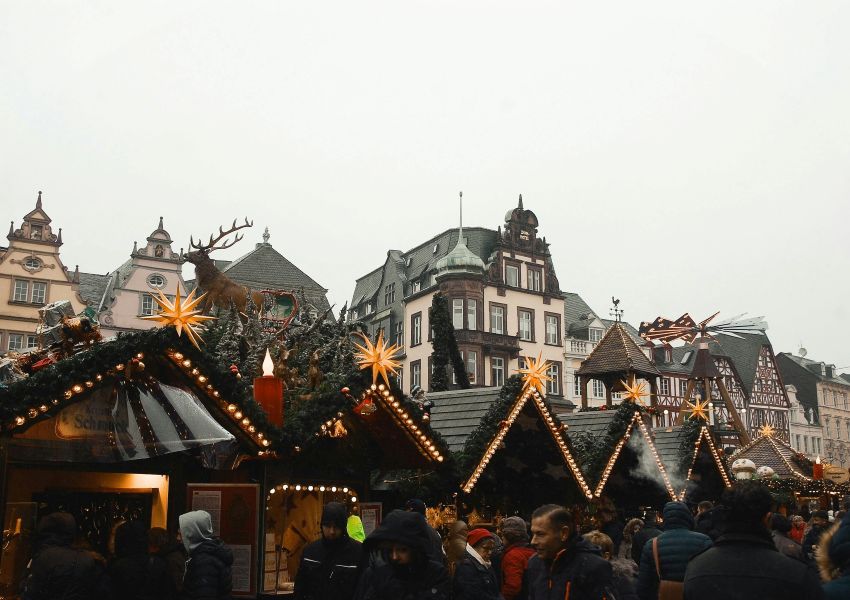
For couples wanting river-cruise convenience without another Danube itinerary, the Rhine and Alsace offer a compelling alternative. Ships connect major cities, while trains and short drives reach villages beyond the river. That combination creates freedom without turning transportation into a second career.
Strasbourg and Colmar blend French cooking, German traditions, timbered architecture, and markets spread across historic streets. Cologne answers with cathedral views, themed markets, busy neighborhoods, and unmistakable city energy. The experiences share a season, but little else.
That difference matters. What most couples do wrong is visit several large markets and expect each stop to feel distinct. Pairing major Rhine Christmas markets with smaller Alsace villages creates contrast, which keeps the journey fresh.
Strasbourg, Colmar and the Alsace Villages
Strasbourg builds Christmas across an entire city center. Market stalls fill cathedral squares, while lights climb façades and spill across narrow streets. The official Strasbourg Christmas website provides current details before travelers commit to dates.
Colmar feels smaller and more intimate. Canals, pastel houses, and compact streets bring decorations closer, especially after day visitors leave. Strasbourg delivers scale and easier connections, while Colmar offers quieter evenings and less urban distraction.
Beyond both cities, Eguisheim, Kaysersberg, and Riquewihr reveal another side of Alsace. Their smaller markets sit among vineyards, stone lanes, and tightly gathered historic buildings. The scent of spice and warm wine somehow feels stronger when buses finally leave.
A guided day trip can simplify transportation between these villages. The Alsace Christmas Markets Day Tour from Strasbourg connects several seasonal stops without rental-car worries. Couples should still compare walking demands, free time, and group size before booking.
The hidden truth is that your base determines the rhythm. Choose Strasbourg for rail access, restaurant variety, and effortless day trips. Pick Colmar when evening atmosphere matters more than transportation convenience.
Cologne and the Rhine’s German Christmas Markets
Cologne does not rely on one enormous market. Separate celebrations appear near the cathedral, Old Town, harbor, and other neighborhoods. Each setting changes the mood, food, decorations, and crowd around you.
The cathedral market delivers the famous view, along with the heaviest foot traffic. Old Town feels more enclosed, while the harbor introduces water, modern surroundings, and a different visual pace. Cologne’s official Christmas market guide helps travelers compare locations before arrival.
Smaller Rhine stops create useful contrast. Rüdesheim brings wine-country charm and compact streets, while Koblenz offers broader river scenery and easier breathing room. Neither matches Cologne’s scale, which may become its greatest advantage after several crowded evenings.
A cruise stop can reveal Cologne’s highlights, but a brief visit rarely captures its changing nighttime atmosphere. One or two nights allow couples to explore several markets without racing between stalls. Cologne also works well before or after a longer Rhine sailing because rail connections simplify arrival and departure.
Think about your favorite European cities. Did you enjoy the celebrated landmark, or the evening when you finally stopped checking the time? Cologne offers both possibilities, but only if your schedule leaves room for them.
Prague and the Christmas Markets of Czechia
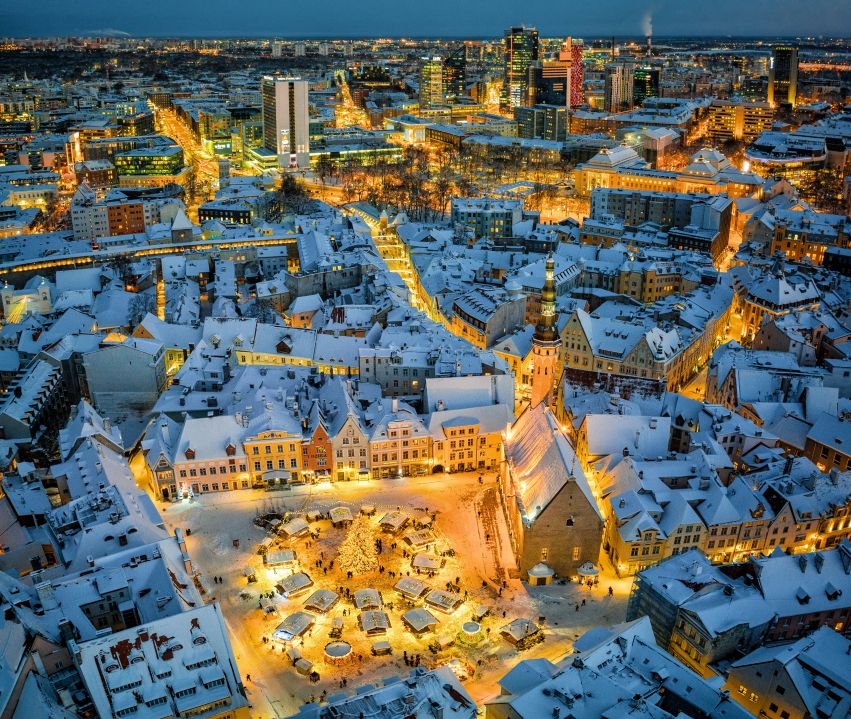
Prague offers something a river cannot: time to watch one city change throughout the day. Gothic towers sharpen in winter light, while market squares gather warmth, music, and the scent of spiced drinks. You can experience Czech Advent traditions without checking a sailing schedule or repacking your suitcase.
Central markets provide spectacle, yet neighborhood squares show how local families experience the season. Beyond Prague, smaller Czech cities replace international crowds with regional food, crafts, and slower evenings. That contrast turns one holiday trip into several distinct experiences.
Prague also works comfortably within different itineraries. Couples can spend five or six nights here without struggling to fill their days. Others can connect Prague with Dresden, Vienna, or another Central European city by rail.
Prague’s Main Markets and Neighborhood Celebrations
Old Town Square delivers Prague’s grandest setting, with Gothic façades, seasonal music, and the city’s most photographed tree. Nearby Wenceslas Square feels broader and more commercial, with shopping streets feeding directly into its seasonal stalls. Náměstí Míru offers a smaller neighborhood experience with fewer tour groups and more breathing room.
Because Old Town attracts heavy crowds, timing changes everything. Early visits offer easier photographs, shorter food lines, and more space across uneven cobblestones. After sunset, the lights improve while personal space quietly files for early retirement.
Couples wanting context can join the Prague Christmas Markets Tour With Locals. The experience connects major and neighborhood markets while explaining foods, customs, and seasonal traditions. That introduction can help you decide which squares deserve another visit later.
Prague’s quieter character appears beyond the famous stalls. Our guide to Prague’s cultural experiences reveals historic cafés, hidden quarters, music, and places where crowds thin. Once the famous squares feel familiar, those details become increasingly tempting.
Czech Traditions and Day Trips Beyond Prague
Czech Christmas markets taste of smoke, spice, roasted nuts, sausages, gingerbread, and warm svařák. Handmade ornaments and decorated ceramics provide more meaningful purchases than another mass-produced souvenir. Music and nativity displays connect the markets with local Advent traditions rather than simple seasonal shopping.
Those details deserve attention. The hidden truth is that food and craft traditions often reveal more than elaborate decorations. A quiet conversation with a vendor may outlast another photograph beneath the largest tree.
Prague provides the greatest scale, but smaller cities change the experience. Český Krumlov offers medieval drama, while Brno brings urban energy without Prague’s international intensity. Olomouc adds regional character and a more locally focused celebration.
Do not treat these destinations as interchangeable. Each city rewards different interests, travel times, and tolerance for crowds. What most couples do wrong is add another stop without considering what it contributes.
A day trip works when transportation remains simple and the daytime market provides enough variety. Stay overnight when evening lights, relaxed dinners, and quieter streets matter more. That choice turns a quick visit into something more personal, which may shape the next destination entirely.
Brussels, Bruges and London for a Different Holiday Experience
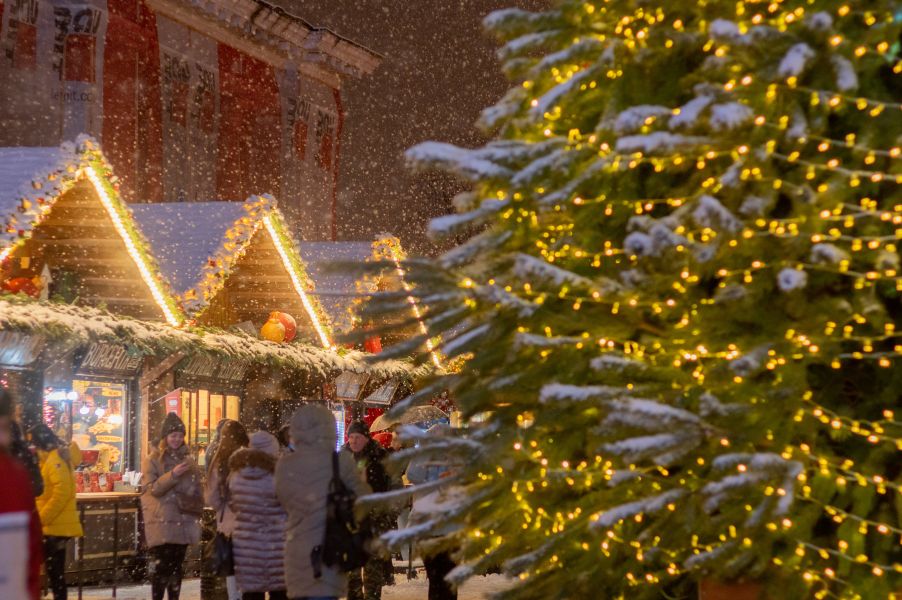
Belgium and London offer a different answer to the European Christmas markets question. Food and city culture lead the experience, while rail connections replace the river as your organizing thread. You still travel comfortably, but the journey feels more independent.
Brussels spreads its celebration across busy squares and connecting streets. Bruges concentrates the season inside a smaller medieval center surrounded by canals. London mixes holiday markets with decorated shopping districts, theater, museums, and enough lights to challenge the national power grid.
Together, these destinations create variety without requiring constant flights or complicated transfers. Short rail journeys keep the route manageable and protect valuable vacation time. The real challenge involves giving each city enough room to show its personality.
Brussels and Bruges
Winter Wonders threads market stalls, lights, food, and seasonal attractions through central Brussels. Grand-Place provides the dramatic setting, while nearby squares extend the celebration beyond one crowded location. Belgian chocolate, waffles, beer, and warm seasonal dishes ensure nobody suffers heroically between markets.
Brussels offers scale and useful transportation connections. Different market areas encourage wandering, although the crowds can build quickly after dark. A private Brussels Christmas tour can provide local context without forcing couples into a large group.
Bruges creates a quieter impression. Medieval façades, narrow canals, and compact streets place the decorations within easy walking distance. Once day visitors leave, reflections shimmer across the water and the city finally exhales.
You can reach Bruges easily from Brussels, which makes a day trip tempting. However, a daytime visit misses the softer evening atmosphere and calmer streets. One overnight lets couples enjoy dinner without watching the return schedule.
The hidden truth is that convenience and atmosphere often compete. Brussels makes transportation easier, while Bruges rewards travelers who slow down. Your preferred evening may decide which city deserves more time.
London’s Markets and Christmas Lights
London approaches Christmas differently from continental Europe. Rather than building one dominant market, the city layers seasonal stalls onto neighborhoods already rich with culture. The result feels broader, busier, and far less dependent on wooden chalets.
Borough Market centers the experience around food and everyday London energy. Nearby, the South Bank combines riverside stalls with views, performances, and established attractions. Both feel connected to the city rather than temporarily placed beside it.
Larger seasonal attractions bring brighter lights, more entertainment, and a noticeably commercial edge. That approach suits travelers who enjoy spectacle and variety. Others may prefer decorated streets, theater evenings, and long meals over another crowded market circuit.
London can begin or finish a Belgium itinerary through direct rail connections. Still, the city deserves more than one hurried night before departure. Its museums, neighborhoods, performances, and restaurants compete strongly with every seasonal attraction.
What most couples do wrong is treat London like a convenient airport with decorations. Give it several days, and the city becomes part of the trip rather than transportation around it. That choice changes how the entire route feels.
How to Choose the Right Christmas Markets for Your Travel Style
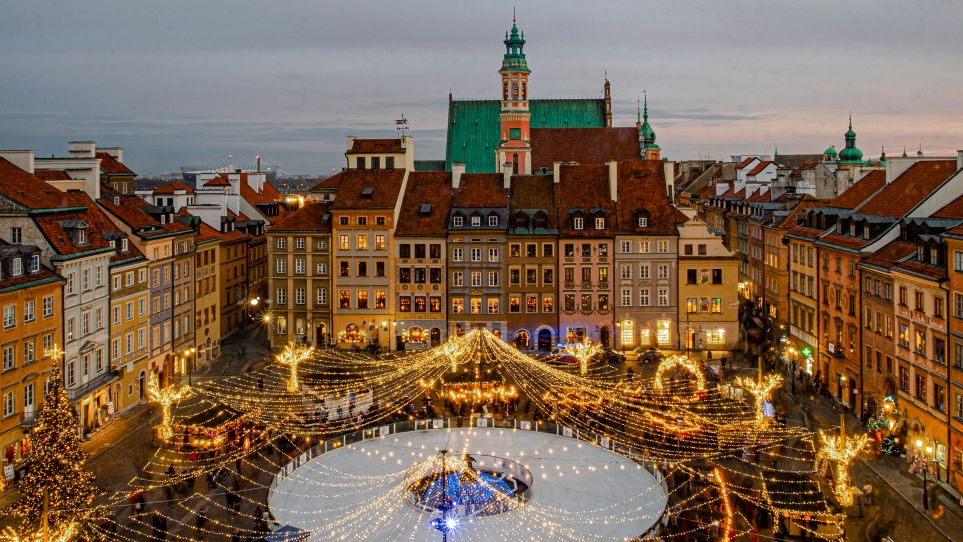
The best European Christmas markets do not belong on one universal ranking. A huge city celebration may thrill one couple and exhaust another before dinner. Your ideal choice depends on how you enjoy spending a winter day.
Start with the experience, not the destination’s reputation. Compare market size, architecture, food, shopping, and the character surrounding the stalls. Then consider what you will do when another cup of mulled wine loses its persuasive power.
Some cities offer museums, concerts, historic neighborhoods, and memorable dining beyond their markets. Smaller towns provide intimacy but may offer fewer alternatives during poor weather. Neither approach wins automatically.
The hidden truth is that market quality matters less than overall trip fit. Weather, darkness, crowds, and repeated walking change how each day feels. Choose the destination that supports your preferred pace, not someone else’s holiday checklist.
Atmosphere, Food and Local Traditions
Food often reveals a market’s personality before architecture does. Alsace brings pastries, wine, and French-German flavors into streets lined with timbered buildings. Germany answers with sausages, regional drinks, roasted nuts, and the comforting confidence of serious winter eating.
Czech markets add holiday breads, cookies, warm drinks, and savory dishes shaped by local traditions. Belgium leans into chocolate, waffles, beer, and richer seasonal treats. London offers familiar holiday foods beside a far more international dining scene.
Shopping requires a little more attention. Locally made ornaments, ceramics, textiles, and food products usually reflect their destination through materials or design. Mass-produced souvenirs often reappear several countries later wearing a slightly different ribbon.
Ask vendors where they made an item and what tradition inspired it. Genuine artisans usually explain their work with detail and pride. That conversation may become more memorable than the purchase itself.
Architecture, music, worship, and public celebrations complete the experience. A cathedral square feels different from a riverside promenade or medieval village lane. Once you notice those differences, market rankings begin looking wonderfully inadequate.
Crowds, Walking and Daily Pace
Cobblestones never look intimidating in photographs. After three hours of standing, cold weather, and uneven streets, they become remarkably persuasive. Distance alone rarely measures the effort accurately.
Darkness arrives early during the Christmas-market season. Lights create atmosphere, but colder evenings also magnify fatigue and crowded walkways. Comfortable footwear may contribute more to romance than another carefully chosen scarf.
Weekday mornings usually provide more room for browsing and conversation. Weekend evenings deliver stronger energy, brighter scenes, and much heavier crowds. Couples should experience both intentionally rather than stumble into the busiest hours repeatedly.
A centrally located hotel reduces transportation and offers easy breaks between outings. Seated lunches, museums, concerts, and unscheduled afternoons protect energy over several days. Even Christmas cheer benefits from somewhere warm to sit down.
What most couples do wrong is schedule every market like a required appointment. The hidden luxury travel mistake couples make explains why impressive itineraries often feel exhausting. More stops rarely create more meaning.
Leave space for weather, curiosity, and changing energy. Why empty nesters should stop overplanning luxury trips shows how fewer commitments can improve an entire journey. Sometimes the market you skip protects the evening you remember.
Building a Comfortable Christmas Market Itinerary
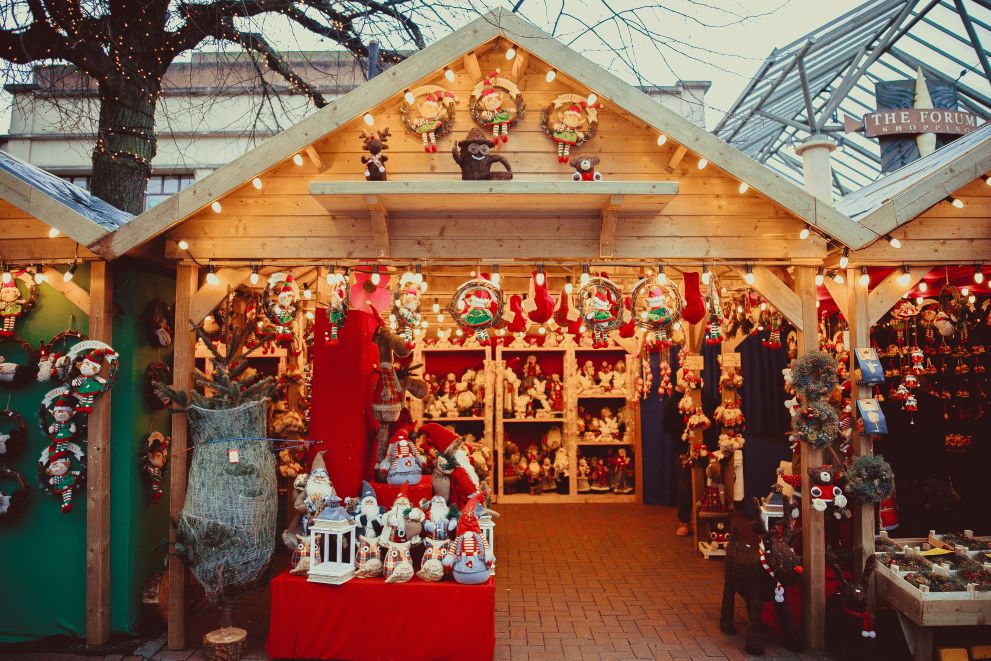
The strongest European Christmas market itinerary usually covers less geography than travelers first imagine. Choose one region, then explore its differences with care. Every hotel change consumes time, energy, and patience that no festive drink fully restores.
Think in bases rather than stops. A well-positioned city can support neighborhood markets, regional day trips, and relaxed evenings without repeated packing. This approach creates variety while keeping the journey comfortable.
Sample routes provide structure, not fixed packages. Your preferred pace, flight schedule, mobility, and interests should shape the final plan. Seven thoughtful nights often deliver more than ten hurried ones.
Practical details deserve equal attention. Market dates, transportation, hotel location, and walking demands can strengthen or quietly sabotage the experience. The prettiest itinerary still fails when basic logistics start running the vacation.
Sample Routes for Seven to Ten Days
For seven nights along the Rhine and Alsace, spend four nights in Strasbourg and three in Cologne. Use Strasbourg for Colmar and one carefully chosen village day. This route limits hotel changes while balancing French-German traditions with larger German markets.
A Prague-focused trip works well with five or six nights in the capital. Add one overnight in Český Krumlov, Brno, or Olomouc when regional contrast matters. Otherwise, choose one day trip and keep the same Prague hotel.
London, Brussels, and Bruges require slightly more movement but remain manageable by rail. Spend three nights in London, three in Brussels, and one or two in Bruges. Skip the Bruges hotel change if convenience matters more than its quieter evening atmosphere.
For ten nights, add time rather than another country. Extend the city that offers your favorite museums, food, concerts, or day trips. Extra nights create depth, while extra destinations mostly create laundry decisions.
Dates, Hotels, Transportation and Winter Conditions
Official opening dates, closing dates, and holiday schedules change between destinations and individual markets. Verify them for your travel year before finalizing flights, hotels, or prepaid transportation. Christmas Eve and Christmas Day may bring reduced hours, closures, or different local rhythms.
Hotel location affects every day. Central properties shorten walks and simplify evening visits, but noise and higher rates often follow. Quieter neighborhoods offer space, although taxis or public transportation may become daily necessities.
That tradeoff deserves attention. Why empty nesters often enjoy smaller hotels more than resorts explains how scale, location, and service can shape a stay. The right hotel protects energy instead of merely providing somewhere to sleep.
Winter preparation matters just as much. Waterproof footwear, warm layers, gloves, and weather-resistant outerwear keep ordinary discomfort from controlling the itinerary. Short daylight hours also require earlier sightseeing and more deliberate evening plans.
Review mobility needs honestly before choosing day trips or distant hotels. Train reservations, station layouts, luggage handling, and platform changes can add unexpected strain. Travel insurance should reflect weather risks, delays, medical needs, and nonrefundable expenses.
Finally, build one backup plan for every major transfer. Weather or transportation disruptions may rearrange even a carefully planned route. A comfortable itinerary leaves enough room to adjust without losing the entire trip.
Choose the Christmas Market Journey That Fits You Best
The Rhine and Alsace, Prague, Belgium, and London prove that Christmas-market travel extends far beyond the Danube. Each destination brings different architecture, flavors, traditions, and ways to experience the season. Together, they turn one familiar trip idea into several genuinely distinct possibilities.
The best choice depends less on reputation and more on how you actually enjoy traveling. Some couples want river-cruise ease, while others prefer rail freedom, quiet evenings, or deeper neighborhood exploration. Walking comfort, crowd tolerance, regional food, and daily pace should guide the decision.
The hidden truth is that European Christmas markets beyond the Danube reward restraint. Choose fewer well-matched destinations instead of chasing every famous square across the continent. Leave enough time to return after dark, linger over dinner, and notice what rushed visitors miss.
When you are ready, click Start Planning and tell us what you want this trip to feel like. We will help you compare routes, pace, hotels, and experiences without forcing every famous market into one itinerary. The right trip should feel exciting before departure, not exhausting during planning.

Leave a Reply