
Most first-time visitors should plan five to seven days in Tuscany. That range gives you enough time for Florence and the countryside. It also leaves room for meals, wine, villages, and the occasional afternoon that does not need a reservation. Three days can work, but it becomes a sampler rather than a complete Tuscany experience.
The real problem is not distance alone. Hotel changes, packing, checkouts, rental-car pickups, and long transfers quietly consume hours you expected to enjoy. Add too many bases, and your vacation starts behaving suspiciously like a work schedule. More time helps, but only when you use it to slow down rather than collect more stops.
So, how many days in Tuscany do you actually need? That depends on whether you want highlights, depth, or room to wander. Three days feels very different from five, while seven allows a more balanced city-and-countryside trip. Ten days opens additional regions comfortably, and fourteen days lets Tuscany unfold without constant movement.
The useful question is not how much Tuscany you can technically fit into the calendar. Ask how you want those days to feel together. Do you want museums and famous towns, long lunches and wineries, or quieter mornings at a countryside hotel? The answer should shape your trip length before an itinerary starts filling every open hour.
This guide will show what three, five, seven, ten, and fourteen days actually feel like on the ground. You will see what each timeframe handles comfortably and where compromises begin. Then you can choose the length that protects your time, energy, and the Tuscany experience you both want.
The Short Answer: Most First-Time Visitors Need 5–7 Days
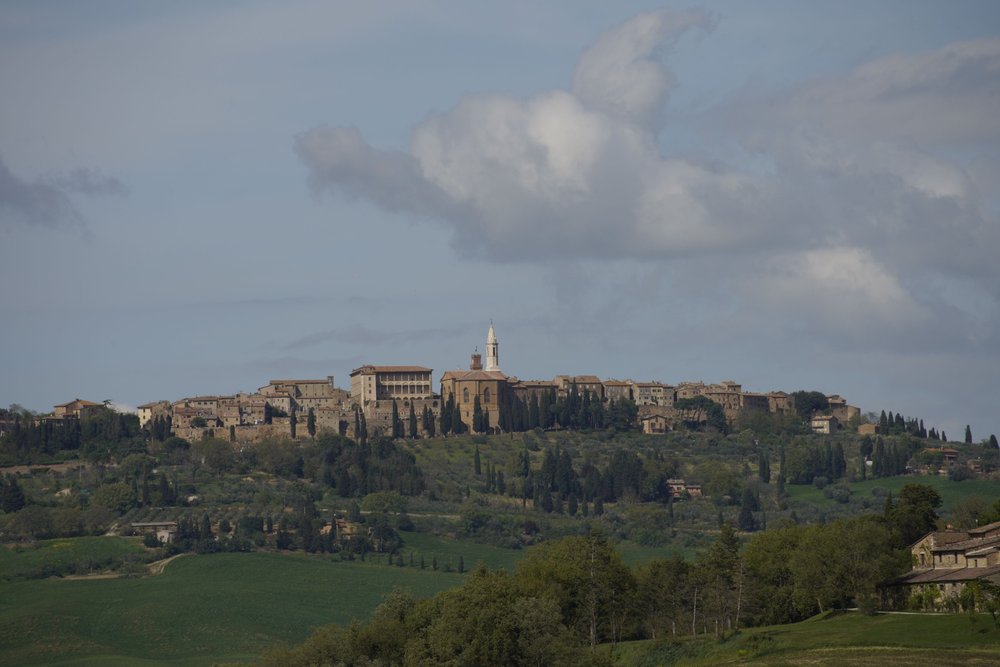
For most first-time visitors, five to seven days is the most useful starting range for Tuscany. That gives you time for Florence and the countryside. It also leaves room for meals, wine, and slower mornings.
Three days can work, but it creates a focused taste rather than a rounded trip. You can enjoy one base well. Every extra transfer, hotel change, or long drive starts taking from the experience.
Five days gives you more range without demanding constant movement. Seven days creates enough space for contrast, recovery, and a meaningful countryside day. Beyond that, the trip can deepen if you resist adding stops simply because time exists.
This is the part many itineraries miss. More days do not automatically create a better trip. Better use of those days matters more.
| Trip length | What it feels like | Best use | Main tradeoff |
|---|---|---|---|
| 3 days | A focused taste | One base, with Florence or a defined countryside experience | Little room for detours or recovery |
| 5 days | A compact first trip | Florence plus one countryside base | Requires discipline about what to skip |
| 7 days | A strong first-trip balance | Florence, countryside, and one selected town or wine day | You still cannot do all of Tuscany |
| 10 days | A deeper, calmer trip | Two or three areas with slower pacing | More cost and temptation to overfill |
| 14 days | A regional immersion | Longer stays, deeper food and wine, more open time | Only works if you avoid constant moving |
Use 5–7 Days as the Default Starting Point
Five to seven days works because Tuscany benefits from contrast. Florence gives you art, architecture, museums, and city energy. The countryside brings vineyards, villages, longer meals, and quieter evenings.
That shift matters more than simply adding another famous town. You begin to feel the region change around you. The trip starts developing a rhythm instead of reading like a checklist.
Five days can support Florence and one countryside base when you choose carefully. Seven days gives you more breathing room around those same priorities. That extra time often improves the trip by reducing what you need to rush.
Couples should also compare energy, not just interests. One partner may want museums and walking, while the other values wine and unstructured afternoons. A five-day trip can still work when both priorities receive space.
Seven days becomes especially useful when you want one wine day or hill-town day. You can add that experience without sacrificing every quiet morning. The difference feels less dramatic on paper than it does while traveling.
But five days and seven days do not feel like the same trip. The difference shows up in what you do not have to rush. That is often where the better memories come from.
Think in Bases, Not Just Days
Trip length matters, but hotel changes matter almost as much. Two couples can both spend seven days in Tuscany. Their trips may feel completely different.
One couple might use Florence and one countryside base. The other might divide the week among four hotels. Both technically have seven days, but they do not have the same usable vacation time.
Every move creates packing, checkout, transportation, check-in, luggage, and another unfamiliar room. None of those tasks looks terrible by itself. Together, they can consume hours you expected to spend enjoying Tuscany.
That is why one or two bases often work better for a first trip. You settle in, learn the area, and stop managing the calendar constantly. Day trips can then provide variety without forcing another move.
A third base can make sense on longer trips or when geography clearly supports it. The key is earning the change. If a move does not improve access, comfort, or experience, it may not deserve space.
This is also where restraint becomes valuable. Our guide to why empty nesters should stop overplanning luxury trips explores that idea in more depth. Fewer hotel changes can create more usable time, not less travel.
Measure the trip partly by how often you unpack. That simple test reveals whether the itinerary protects the vacation or manages it. Later, the hotel-change framework will make that tradeoff even clearer.
Before You Count Days, Decide What “Tuscany” Means to You
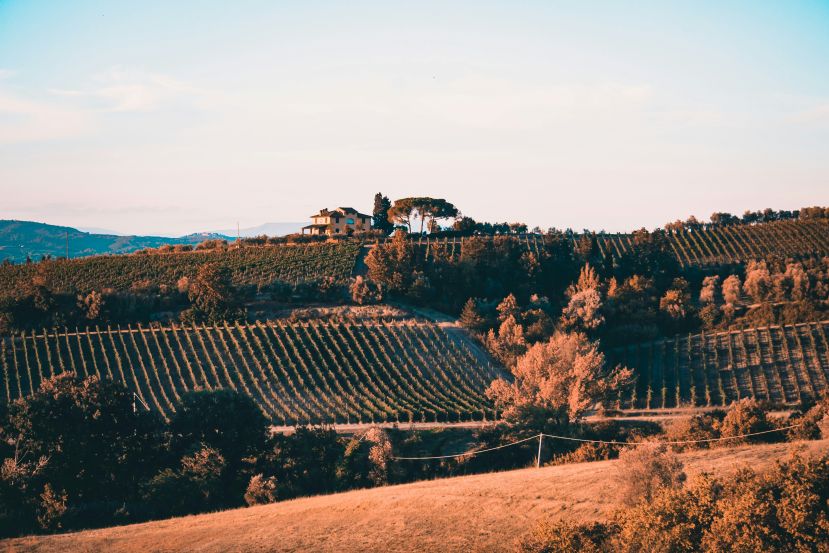
People use “Tuscany” to describe very different trips. One couple pictures Florence museums and evening walks. Another imagines vineyards, hill towns, and long countryside lunches.
That difference explains why online answers about trip length often conflict. Tuscany is a region, not one compact attraction. Your priorities may sit hours apart, even when the map makes them look conveniently close.
Before choosing a number of days, define what belongs inside your Tuscany trip. Decide whether Florence counts as a major focus or a brief stop. Then decide whether wine country, hill towns, countryside hotels, or scenic driving matter just as much.
A five-day trip can feel generous when your wish list stays focused. The same five days can feel frantic when every famous place becomes mandatory. Geography quietly changes the answer before the calendar ever does.
Florence Changes the Math
Florence can absorb a meaningful share of any short Tuscany trip. Art, food, neighborhoods, churches, and major sights compete for the same hours. Treating the city as a quick add-on usually understates what you actually want there.
The city offers much more than a checklist of headline attractions. A museum-focused traveler needs different hours than someone prioritizing food and neighborhood walks. Both can easily fill several days without trying very hard.
If Florence anchors the trip, protect enough time to enjoy it without racing between reservations. One major museum can already shape half a day. Add meals, walking, and another priority, and the calendar fills quickly.
That does not mean Florence requires most of the trip. It means every Florence day comes from the same total you planned for Tuscany. A three-day countryside dream changes quickly when two days belong to the city.
Ask what you want after Florence. Maybe it is wine, quiet scenery, thermal baths, or village time. That answer determines whether the remaining days support one countryside base or several rushed stops.
Wine Country and Hill Towns Need Time Between the Highlights
Countryside Tuscany works differently from city sightseeing. The road between places often contributes to the experience. Views, village approaches, slow lunches, and unplanned stops can matter as much as the named destination.
Attraction math misses that completely. A map may show two towns within an easy driving distance. Parking, walking, lunch, a tasting, and one beautiful detour can easily transform that distance into a full day.
Wine visits need even more breathing room. Tastings operate on appointments, and lunch deserves time afterward. If both partners plan to taste, transportation also needs solving before the day becomes complicated.
This is where comfort matters. A private driver can make sense when both travelers want to participate fully. Self-driving can work well too when one person genuinely prefers driving and limits alcohol comfortably.
Long lunches deserve similar respect. They are not empty space between attractions. For many travelers, they become part of the Tuscany they hoped to experience.
The best countryside days often feel spacious because they include margin. That does not happen accidentally. It happens when you stop judging success by the number of pins completed.
Your “Must-Sees” May Be in Different Parts of the Region
Val d’Orcia makes the geography issue especially clear. The area includes villages, vineyards, hills, and scenic roads. Places such as Pienza, Montalcino, and San Quirico d’Orcia sit within that broader landscape.
That matters because Val d’Orcia is not one attraction with one parking lot. The landscape itself is part of the experience. Driving through it slowly can be more rewarding than racing between three town names.
Now compare two different wish lists. Florence, Siena, and Chianti create one planning problem. Florence, Pienza, Montalcino, and Montepulciano create another.
Both lists sound reasonable when written on paper. Yet the second spreads more of the trip across southern Tuscany and countryside driving. That usually increases the value of another night or a better-positioned base.
This is why “How many days in Tuscany?” has no useful answer without context. Three days can work beautifully for one couple. For another, three days becomes little more than luggage, roads, and restaurant reservations.
Before choosing trip length, circle the experiences that matter most to both of you. Then remove anything neither person would truly miss. The remaining geography will tell you much more than a generic day count.
What 3 Days in Tuscany Actually Gives You
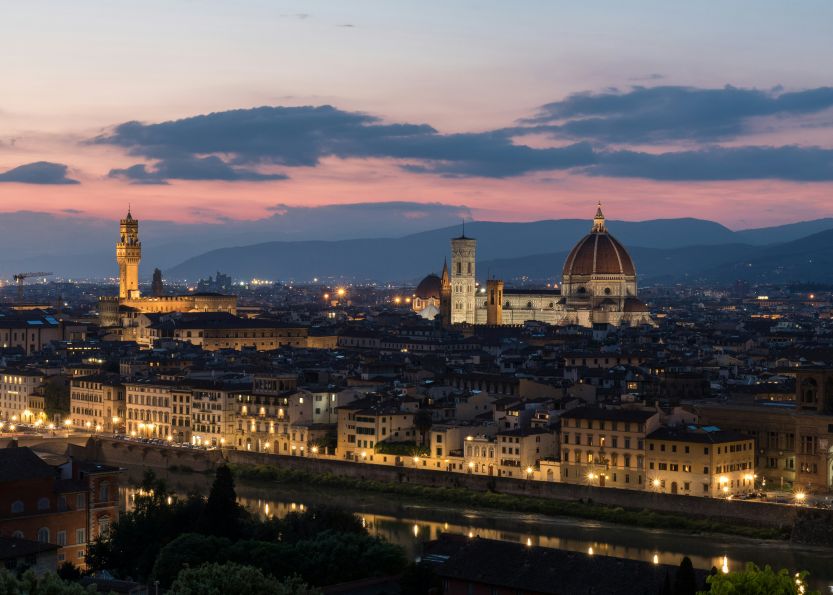
Three days in Tuscany can absolutely be worthwhile. The trick is accepting what three days can realistically deliver. It gives you a focused taste, not a broad survey.
The problem begins when travelers ask three days to behave like seven. Florence, Siena, Chianti, Val d’Orcia, Pisa, and several wineries may all sound tempting. Together, they turn a short vacation into transportation with occasional sightseeing.
A better approach starts with one question. What do you most want to remember about these three days? Build around that answer and let the rest wait for another trip.
Three Days Is Enough for a Taste, Not a Survey
Give the trip one dominant identity. You might choose Florence for art, food, neighborhoods, and culture. Another couple might choose countryside scenery, wine, villages, and slower meals.
A tightly paired experience can also work. Florence plus nearby Chianti can provide city contrast without trying to cover southern Tuscany. Another option could focus entirely on one countryside area.
What matters is resisting the urge to prove how much Tuscany you visited. Three excellent days can feel satisfying when each day has a clear purpose. Six rushed destinations rarely create the same feeling.
Think about what both of you would genuinely regret missing. One person may prioritize Renaissance art, while the other wants a winery lunch. Those preferences can coexist when the remaining wish list stays short.
Success should mean experiencing your priorities well. It should not mean collecting photographs from every recognizable town. That shift makes three days feel intentional instead of inadequate.
The One-Base Rule Matters Most on a Short Trip
For most three-day Tuscany trips, one hotel base makes the most sense. Every hotel change carries costs that rarely appear on an itinerary. Checkout, luggage, transportation, parking, check-in, and orientation all consume usable vacation time.
Those tasks matter more during a short visit. Losing three hours from a ten-day trip feels manageable. Losing three hours from three days feels very different.
A single base also reduces daily decision-making. You learn where breakfast happens, how transportation works, and which streets lead home. Returning somewhere familiar can make evenings easier after full sightseeing days.
Choose that base according to the trip’s dominant purpose. Florence works naturally when culture leads the list. A countryside property makes more sense when wine, scenery, and slower pacing matter most.
Changing hotels can still make sense when geography strongly demands it. However, make the move earn its place. Do not relocate simply because another hotel looks beautiful.
Also distinguish three nights from three full sightseeing days. They are not automatically the same thing. Arrival and departure schedules can remove substantial usable time.
A three-night stay with an evening arrival may provide only two meaningful days. An early departure can shrink it further. Count available hours before calling anything a three-day trip.
What to Deliberately Leave Out
A short trip improves when you decide what not to do. Florence, Chianti, Val d’Orcia, Pisa, and Siena do not belong together in three days. Adding wineries and long lunches makes that schedule even less realistic.
The decision is not which destination deserves the highest ranking. Ask which place matters least to this particular trip. That answer will differ between couples, and that is perfectly reasonable.
Art-focused travelers may skip distant wine country. Wine-focused couples may spend very little time in Florence. Others may choose Siena and nearby countryside while leaving Florence for another visit.
Do not let familiarity determine importance automatically. A famous place only deserves limited vacation time when you actually want to experience it. Recognition and personal interest are not the same thing.
Arrival logistics deserve the same honesty. Jet lag, rental-car collection, luggage, and hotel check-in can consume more energy than expected. Counting those hours as sightseeing time creates an itinerary that never truly existed.
Departure day can fool you too. A noon train or afternoon flight may appear to leave half a day free. Checkout, transportation, and reasonable travel margins quickly reduce that window.
So count full usable days, not dates printed on reservations. Then protect one or two experiences that matter most to both of you. A short Tuscany trip can still feel generous when the schedule stops fighting the clock.
Five days changes the conversation because you finally gain a little margin.
What 5 Days in Tuscany Gives You
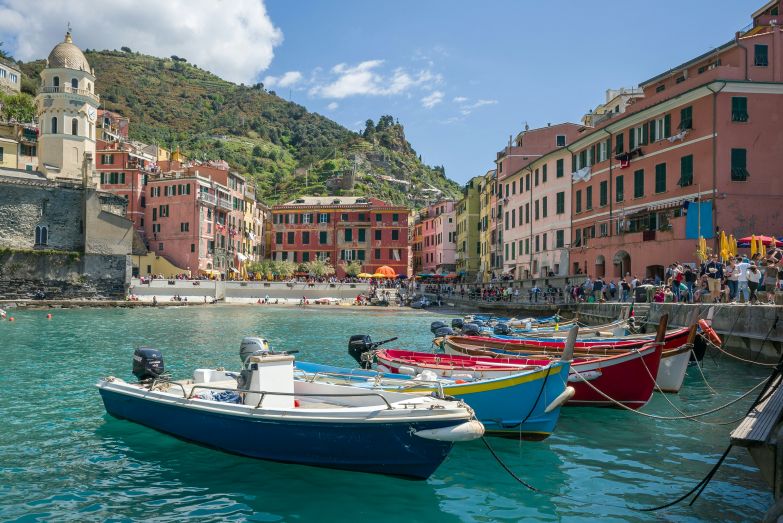
Five days is where Tuscany starts feeling like a real trip instead of a sample. You finally have room for contrast. Florence and the countryside can both matter without turning every day into a transfer.
That still does not mean five days can hold everything. You need a short must-do list and a willingness to skip good options. Tuscany rewards selectivity much more than enthusiasm without limits.
The best use of five days usually combines different experiences rather than more destinations. City energy can sit beside vineyard time. Museum hours can balance slower meals, scenic drives, and quieter evenings.
This is also where couples should stop asking only, “What can we fit?” Ask which experiences would make the trip feel complete. Then protect those first.
Five Days Lets You Combine Two Different Sides of Tuscany
Five days can reasonably support Florence plus one countryside base. That structure gives you variety without forcing constant packing. It also creates a clear shift in pace.
Florence can carry the cultural side of the trip. Art, food, architecture, and neighborhoods can fill several days comfortably. Then the countryside can add wine, views, villages, and longer meals.
The key is limiting the wish list. Pick the experiences that matter most to both of you. Leave the second-tier ideas for another visit.
A short list creates freedom. One afternoon can stay flexible if weather changes. Another day can hold one meaningful experience instead of three rushed stops.
That difference matters more than people expect. Five days can feel full without feeling frantic. The trip starts becoming memorable for how it felt, not only where you went.
One Base Is Easy; Two Bases Can Work
One base keeps five days extremely simple. You unpack once, learn the area, and reduce transportation decisions. That works especially well when one place clearly dominates your priorities.
Two bases can add real value when the experience changes meaningfully. Florence plus a countryside stay is the clearest example. The second hotel should create access, atmosphere, or ease you could not get otherwise.
Changing hotels only to collect another town name rarely pays off. Every move uses time and mental energy. Premium travel should reduce friction where possible, not manufacture more of it.
Ask whether the second base shortens important drives. Also ask whether you actually want time at that property. A countryside hotel matters more when you plan to enjoy it.
If the move improves your evenings, meals, or daily pace, it can be worthwhile. If it only creates another check-in, skip it. More locations do not automatically create more Tuscany.
The same logic becomes even more important with seven and ten days. More time creates more temptation. Good planning keeps additional days from turning into additional clutter.
Protect One Experience That Takes Half a Day or More
Five days gives you enough room to protect one substantial experience. That might be a private wine day, cooking class, guided cultural visit, or long countryside lunch. The point is depth, not price.
Half-day experiences work because they change the rhythm. You stop treating every hour like space to fill. One activity becomes the center of the day.
A wine experience can work beautifully when transportation feels easy. A cooking class can do the same for food-focused travelers. Another couple may prefer a slow countryside afternoon with almost nothing scheduled.
Do not treat that time as wasted. Unhurried experiences often become the moments couples remember most clearly. They also create space for conversation instead of constant navigation.
This matters especially when one partner values activity and the other values downtime. A shared experience can satisfy both better than another string of sightseeing stops. It gives the day structure without making it rigid.
If food and wine are priorities, our Tuscany culinary travel guide explores those options in more depth. Use it to compare markets, tastings, wine regions, and hands-on food experiences. Then choose one that actually fits your five-day trip.
Five days works because it gives you enough variety without requiring constant movement. You still need discipline, but the trip gains breathing room. Seven days takes that same idea and makes the margin noticeably easier to protect.
Why 7 Days Is the Sweet Spot for Many First Trips
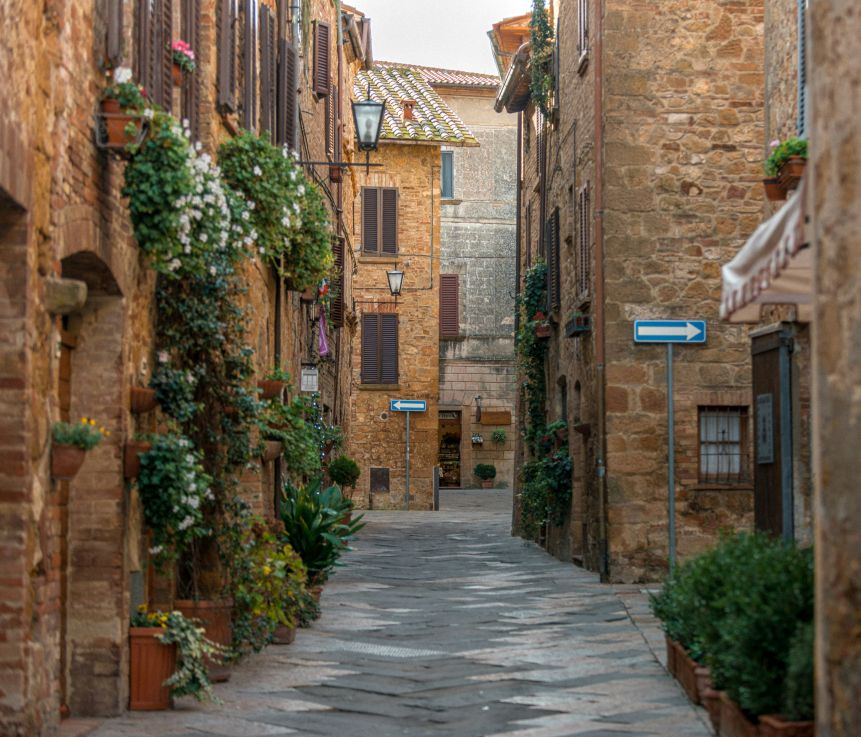
Seven days is enough for a strong first Tuscany trip. You can experience Florence, spend meaningful time in the countryside, and still protect some breathing room. That balance is why one week works so well for many first-time visitors.
The extra two days beyond a five-day trip matter more than they appear. They do not simply create room for two additional destinations. They create room for better mornings, slower meals, and fewer decisions made under pressure.
A week also gives couples more flexibility when priorities differ. One person may want museums and architecture. The other may care more about wine, villages, and quiet countryside time.
Both priorities can fit without turning the trip into a race. That does not mean everything fits. It means the important things can finally stop competing for every available hour.
Seven Days Gives You Space for Florence and the Countryside
A one-week Tuscany trip works best when you organize it around one or two bases. Florence can provide the cultural side of the trip. A countryside stay can provide the slower contrast many couples actually want.
That structure gives each place enough time to feel distinct. You are not arriving, unpacking, taking pictures, and leaving again. You have time to settle into both environments.
Florence can absorb several meaningful days without feeling repetitive. Museums, neighborhoods, food, architecture, and evening walks all compete for attention. The countryside then changes the pace completely.
A second base works best when it changes the experience. Sleeping among vineyards feels different from returning to Florence after every rural day. That difference can justify the hotel move.
You still need selectivity. Siena, Chianti, Val d’Orcia, Pisa, Lucca, and every wine area cannot all become priorities. A week handles contrast beautifully, but it does not eliminate geography.
The point is not squeezing more into seven days. It is allowing Florence and the countryside to feel like separate experiences. That is where a week starts feeling complete.
The Extra Time Buys Better Pacing, Not Just More Places
Seven days protects moments that shorter trips often squeeze out. You can start slowly after arrival instead of launching directly into sightseeing. Jet lag does not need to become an itinerary problem.
A winery lunch can also take the time it deserves. You do not need to watch the clock because another town waits afterward. The meal becomes part of the day instead of an obstacle between attractions.
One evening can remain completely open. You might return to a restaurant, wander after dinner, or simply stop earlier. Nothing terrible happens when a vacation contains an unscheduled evening.
You can also stay longer somewhere you genuinely enjoy. A hill town may feel completely different after day-trippers leave. That extra hour can create more value than another rushed stop elsewhere.
This is the real advantage of seven days. More time lets you protect quality instead of multiplying destinations. The trip gains margin.
That same idea sits at the center of our guide to why doing less can improve luxury travel. Fewer transitions can create more usable time. Better pacing can also improve how both travelers experience the same itinerary.
A Week Is Still Not “All of Tuscany”
Seven days can deliver a satisfying first trip. It cannot deliver every major city, wine region, hill town, museum, and countryside experience. Tuscany is simply too varied for that.
That is not a planning failure. It is actually useful. Leaving something out allows the places you choose to receive enough time.
The danger comes when a week starts feeling generous on paper. Travelers add another town, then another winery, then another hotel. Suddenly, the margin disappears.
Use one week to build a strong first chapter instead. Choose the places that matter most to both of you. Let secondary destinations wait for another trip.
Ask what you would rather remember. Several rushed arrivals may look impressive afterward. A long lunch, quiet evening, or unhurried countryside day may feel better while you are actually there.
Seven days is enough to have a real Tuscany trip. It is not enough to finish Tuscany, and that is good. Leaving something unseen gives the trip room to breathe. It also gives you a genuine reason to return.
Ten days changes the trip again. The extra time can create even more depth. It only works if those additional days do not become additional hotel changes.
What 10 Days in Tuscany Lets You Do Differently
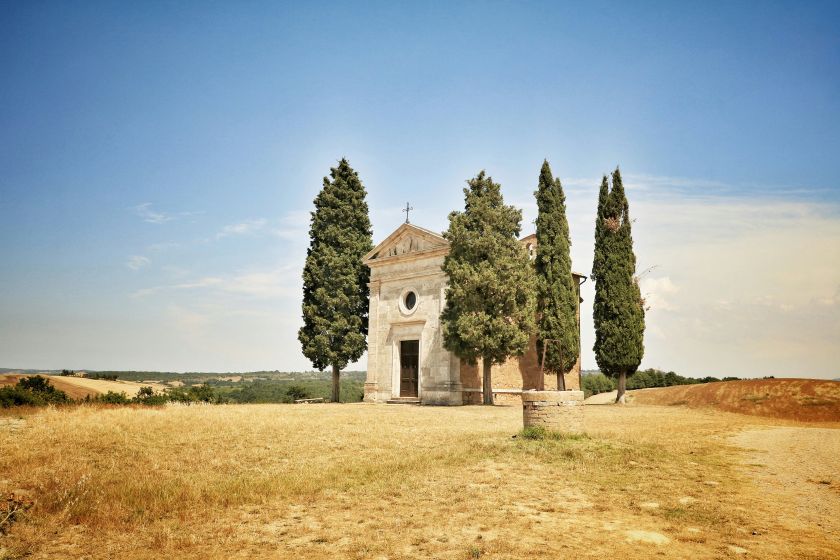
Ten days changes the Tuscany question in a useful way. You no longer need every day to justify its existence. The extra time can create depth instead of simply adding distance.
That matters for couples who care about food, wine, history, landscapes, and slower time together. Tuscany can easily hold ten days when those interests lead the trip. You do not need to add another region automatically.
The better question is whether another destination improves the experience. Rome, Venice, or the Amalfi Coast may fit another trip beautifully. Adding them only because ten days sounds generous can weaken the Tuscany time you already wanted.
Ten days works best when you let the region unfold at different speeds. Some days can carry major sightseeing. Others can revolve around one meal, one guide, or one quiet afternoon.
That is not wasted time. It is often what longer travel finally makes possible. That breathing room has practical value.
Ten Days Can Support Two or Three Distinct Bases If Each One Earns Its Place
Two bases remain easy with ten days. Three can also work when each one changes the experience meaningfully. The third base should solve something important, not merely shave minutes from a drive.
A city, central countryside area, and southern Tuscany can create genuine contrast. Each setting can support different priorities and daily rhythms. That is a stronger reason to move than collecting another hotel key.
Ask what the third base gives you that the first two cannot. Maybe it changes access to wine country, reduces repetitive driving, or creates quieter evenings. If the answer feels weak, stay put.
Longer trips tempt people to keep adding. Another hotel can look harmless because several days remain. Yet packing, checkout, navigation, and check-in still consume energy.
Use the extra time to reduce friction rather than manufacture it. More nights in the right place can outperform more places. The same rule becomes even more valuable as the trip gets longer.
This Is Where Deeper Food, Wine and Cultural Days Make Sense
Ten days creates room for experiences that deserve more than a rushed slot. A dedicated wine day can stand alone. So can a cooking experience, private guide, market morning, or long lunch.
These choices work because they no longer compete with every headline sight. You can spend several hours understanding one place or tradition. The day still feels complete afterward.
A private cultural guide can also deepen a city you already thought you understood. Markets can make regional food feel more connected to place. A slower wine day can reveal landscape, agriculture, and family history together.
The value is not sophistication for its own sake. It is having enough time to notice what hurried trips skip. Depth becomes a realistic choice instead of a planning slogan.
That shift fits the broader idea behind why travel becomes more meaningful after the kids leave home. More freedom can support better questions than “What else can we add?” You can ask what deserves more attention.
Ten days makes that question easier to answer. The trip can hold both famous places and slower experiences. Neither needs to crowd the other out.
You Can Build in a Recovery Day Without Feeling Guilty
Longer trips create another kind of luxury. You can protect your energy without feeling that you sacrificed the vacation. A slower morning after a long walking day may improve everything that follows.
The same applies after a wine day or late dinner. Sleep later, enjoy breakfast, and leave the afternoon partly open. Nobody awards medals for being tired in Tuscany.
An open half-day can also absorb weather or changing interests. Maybe you visit a spa, return to a favorite town, or simply stay at the hotel. That flexibility keeps small disruptions from controlling the trip.
Think of recovery as protecting the next experience. Tired travelers enjoy less, notice less, and compromise less gracefully. Rest can improve the value of everything you already paid to do.
Couples may need different recovery rhythms too. One person may want a quiet morning while the other enjoys a walk or café. Ten days gives both preferences more room without forcing a winner.
If that sounds appealing, two weeks may make sense. The key is knowing whether you want deeper time or more geography. Fourteen days rewards the first choice much more than the second.
When Two Weeks in Tuscany Makes Sense
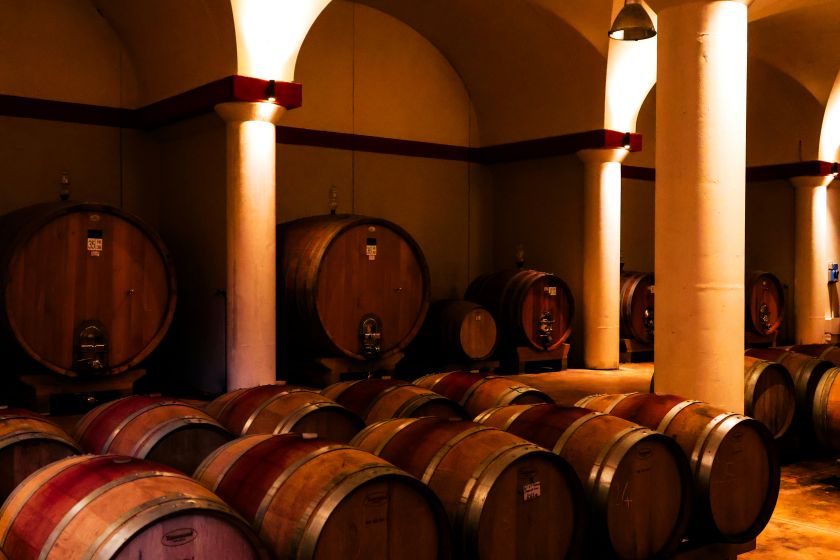
Two weeks in Tuscany can make excellent sense for the right couple. The extra time should lower daily pressure, not enlarge the checklist. That difference determines whether fourteen days feels luxurious or excessive.
A longer stay works best when you enjoy repetition, deeper interests, and unstructured time. You stop measuring value by how many towns appear on the itinerary. Instead, familiar places start becoming part of the trip itself.
That may sound wonderful to one couple and painfully slow to another. Neither reaction is wrong. The useful question is whether familiarity sounds comforting or limiting.
Two Weeks Works Best When You Want Repetition and Familiarity
A two-week stay gives you time to return somewhere because you liked it. You can revisit the same café, restaurant, market, or evening walk. Familiarity starts replacing constant orientation.
That change can make travel feel easier. You recognize the route back to the hotel and stop checking directions constantly. A favorite breakfast spot becomes part of the morning instead of another decision.
Countryside stays gain particular value from this rhythm. You can settle into one property long enough to enjoy it properly. Weather changes also become easier to absorb because one rainy afternoon no longer threatens the whole plan.
Two weeks can also create room for repeated pleasures. One village may deserve a second evening after the crowds thin. A winery region can receive more attention without becoming a race between tastings.
Ask yourselves one revealing question. Would two unscheduled afternoons at the same countryside hotel feel luxurious to you? Or would you immediately start searching for another town?
That answer says more about the right trip length than most attraction lists. Long stays reward travelers who enjoy belonging for a little while. They frustrate travelers who need novelty every day.
Two Weeks Also Works for Travelers With Specific Interests
Fourteen days becomes easier to justify when your interests naturally support depth. Serious wine travelers may want time across several growing areas. Art and history lovers can spend longer in Florence, Siena, and smaller cultural centers.
Food-focused couples also have plenty to explore without turning every meal into an event. Markets, cooking, regional dishes, wineries, and long lunches can shape different days. The pleasure comes from variety within one theme.
Photographers may value changing light and repeated landscapes. Walkers may appreciate slower routes and weather flexibility. Couples combining touring with relaxation can alternate active days with quieter hotel time.
This is where two weeks can feel especially generous. A spa afternoon does not steal time from a museum day. A slow lunch does not force you to abandon a town you still want to see.
The key is matching duration to your interests, not prestige. Fourteen days is not automatically more luxurious than seven. It becomes valuable when the additional time improves how you actually want to travel.
When Two Weeks Is Probably Too Much
Two weeks may feel too long if daily novelty drives your enjoyment. Some travelers become restless after several nights in one area. They may prefer dividing a longer Italy trip among distinct regions.
That choice can make sense when your wish list strongly includes Rome, Venice, the coast, or another region. Tuscany does not need to absorb every available vacation day. A shorter Tuscany stay can leave room for experiences you value equally.
Cost also matters. Fourteen days means more lodging, meals, transportation, and activity spending. Extra time only creates value when you genuinely want to use it there.
Be candid with yourselves about pace. If repeated cafés and open afternoons sound wonderful, two weeks may fit beautifully. If they sound like unused time, another destination may deserve part of the trip.
More days will not rescue a badly structured itinerary. Fourteen days with constant hotel changes can feel more tiring than seven well-planned days. Duration helps only when the structure protects your energy.
Two weeks should create freedom. It should let you stay longer, change plans, and occasionally do very little. If that sounds appealing, the next question is how to structure those days without wasting them.
The Mistake Most Couples Make: Counting Stops Instead of Travel Friction
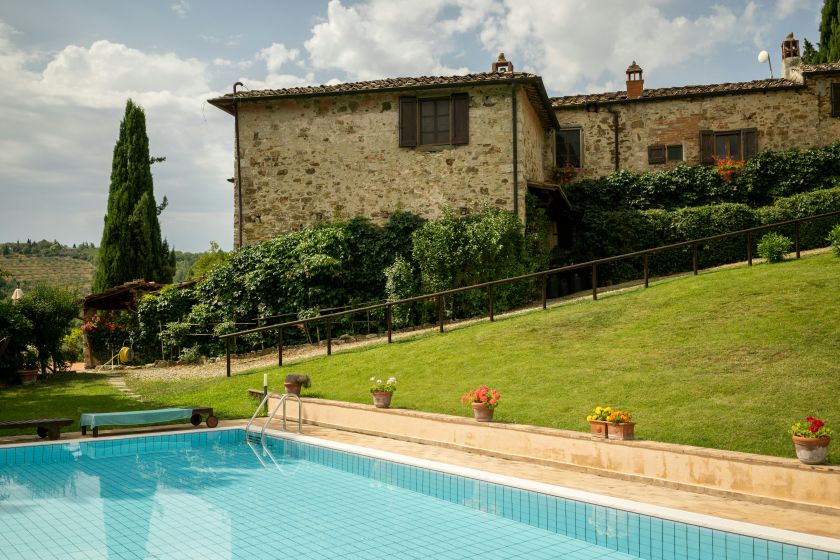
A Tuscany itinerary can look perfectly reasonable on paper and still feel exhausting in real life. The problem is often hidden between destinations. Travelers count towns while ignoring everything required to move between them.
That hidden work includes luggage, transportation, parking, check-in, navigation, and constant decision-making. None of those tasks sounds terrible alone. Together, they can consume a surprising amount of usable vacation time.
This is why a slower-looking itinerary can actually deliver more. Fewer transitions leave more time for meals, walking, conversation, and experiences. Calendar days matter, but usable hours matter more.
Every Hotel Change Has a Hidden Time Tax
Changing hotels involves much more than the drive between two properties. You pack, check out, move luggage, find transportation, travel, and locate the next hotel. Then you check in, unpack, and learn another unfamiliar area.
Even when everything goes smoothly, the process consumes attention. You may spend part of breakfast discussing luggage and departure timing. Later, another conversation revolves around parking or check-in.
That mental load matters too. Constant transitions create more small decisions, and small decisions become tiring. A vacation should not require project management every morning.
This does not mean changing hotels is always a mistake. A second base can create a genuinely different experience or reduce important travel. The move should earn its place.
Ask what improves because you changed hotels. Better countryside access may justify it. Another attractive hotel in a nearby town probably does not.
The itinerary that looks slower on paper can actually let you experience more. Fewer logistics leave more of the day usable. That is the time you actually came to Tuscany to enjoy.
Driving Time Is Not the Same as Door-to-Door Time
Countryside driving can become part of the enjoyment. Scenic roads, vineyards, and hill towns can make the journey worthwhile. Still, map estimates rarely describe the entire travel day.
Your actual day may include rental-car collection, fuel, parking, walking, and navigating historic centers. Tuscany also uses limited-traffic zones in many historic areas. Parking often sits outside the center rather than beside the attraction.
That changes the calculation. A drive showing one hour does not necessarily create a one-hour interruption. The real interruption begins when you leave one experience and ends when the next one starts.
Historic towns deserve particular margin. Parking can require extra walking, and restricted areas may limit where visitors can drive. Planning around that reality reduces frustration without making driving sound difficult.
Train-accessible cities create another calculation. Trenitalia’s Tuscany connections include Florence, Pisa, Lucca, and other regional destinations. Rail can reduce driving friction when your priorities align with the network.
However, countryside destinations may still require cars, buses, drivers, or additional transfers. Transportation choice should follow the places you actually want to experience. No single method works best for every Tuscany trip.
The Day After a Long Flight Is Not a Bonus Sightseeing Day
Many American travelers reach Italy after an overnight flight. Arrival day often includes immigration, baggage, transportation, hotel logistics, and unfamiliar surroundings. Treating that day as guaranteed full sightseeing time creates unnecessary pressure.
Some travelers feel surprisingly good after landing. Others need several hours before their energy catches up with their enthusiasm. You cannot know exactly how either of you will feel beforehand.
That uncertainty deserves room in the itinerary. Schedule lightly after arrival and protect anything important for another day. A relaxed meal and neighborhood walk can still make arrival feel worthwhile.
The same principle applies the following morning. One partner may wake early while the other struggles with the time change. Avoid making your first major day depend on perfect energy.
This is especially important when counting three, five, or seven days in Tuscany. Three hotel nights may not create three full touring days. Flight times and transportation can shrink the usable portion considerably.
Once you subtract travel friction, the right number of hotel changes becomes much clearer. A shorter destination list may leave you with more actual Tuscany. That is the number worth protecting.
How Many Hotel Changes Should You Make?
Hotel changes can either improve a Tuscany trip or quietly wear it down. The difference comes from whether each move creates real value. More bases do not automatically mean better access.
Think about what every relocation requires. You pack, check out, move luggage, travel, check in, and learn another area. Even an easy transfer breaks the rhythm of the day.
A useful rule is simple. Add a base only when it meaningfully changes the experience or improves travel flow. Otherwise, stay put and enjoy the time you already bought.
| Trip length | Default base count | Only add another base when… |
|---|---|---|
| 3 days | 1 | It is unavoidable or defines the trip |
| 5 days | 1–2 | It creates a real city and countryside contrast |
| 7 days | 1–2 | It materially improves the experience or travel flow |
| 10 days | 2–3 | Each base represents a distinct part of the trip |
| 14 days | 3–4 maximum for most couples | Longer stays still feel settled |
3 Days: Usually One Base
Three days usually calls for one base. The trip is simply too short for casual hotel hopping. Every move consumes too much of the available experience.
A second base should solve an important problem. Maybe it creates the entire countryside experience you came for. Perhaps transportation makes staying overnight far more practical.
Do not move because another town looks appealing. That is not enough reason on a short trip. Visit it as a day trip or save it for later.
One base also reduces mental clutter. You unpack once, learn the surroundings, and settle into a routine quickly. That matters when every usable hour counts.
5–7 Days: One or Two Bases
Five to seven days gives you more flexibility. One base still works well when you dislike packing or prefer guided day trips. Two bases can create a meaningful contrast.
Florence plus a countryside stay is the clearest example. The second base changes atmosphere, access, evenings, and daily pacing. That move earns its place.
Another couple may prefer one central hotel. They might use private drivers or day trips instead. Avoiding a move can matter more than sleeping in multiple areas.
The right choice depends on comfort and geography. Ask whether reaching farther places matters more than staying settled. Both answers can be completely reasonable.
10 Days: Usually Two or Three Bases
Ten days can support two or three bases comfortably. The danger is assuming extra time requires extra hotels. That is how itinerary creep starts.
A third base should represent a genuinely different part of the trip. It might shorten repeated driving or unlock another area. It should do more than move you slightly across the map.
Longer stays create their own value. You can enjoy the hotel, revisit a favorite restaurant, and stop treating every evening like a departure briefing. Familiarity starts working in your favor.
Before adding a third base, ask one question. What gets meaningfully better because we move? If the answer feels weak, keep the longer stay.
14 Days: Still Do Not Turn It Into a Hotel Tour
Two weeks can support three or four bases for many couples. That does not mean every few nights require a new address. Longer stays are often the entire point.
Four nights somewhere can feel very different from two. You stop treating arrival day as setup for departure. Weather changes become easier to manage too.
A longer stay also creates space for repetition. You can return to a favorite café or revisit a town after dinner. Those moments rarely survive an aggressive hotel schedule.
Some travelers enjoy frequent movement. Others value unpacking, settling in, and knowing where breakfast will be tomorrow. Neither style is more sophisticated.
Use two weeks to buy ease, not additional logistics. Let the extra time create flexibility, familiarity, and better pacing. That is where the value appears.
Ask yourselves one final question. If you stay only two nights everywhere, what did the extra week actually change? The answer may reveal one hotel move worth removing.
Choose Your Tuscany Trip Length Based on How You Actually Like to Travel
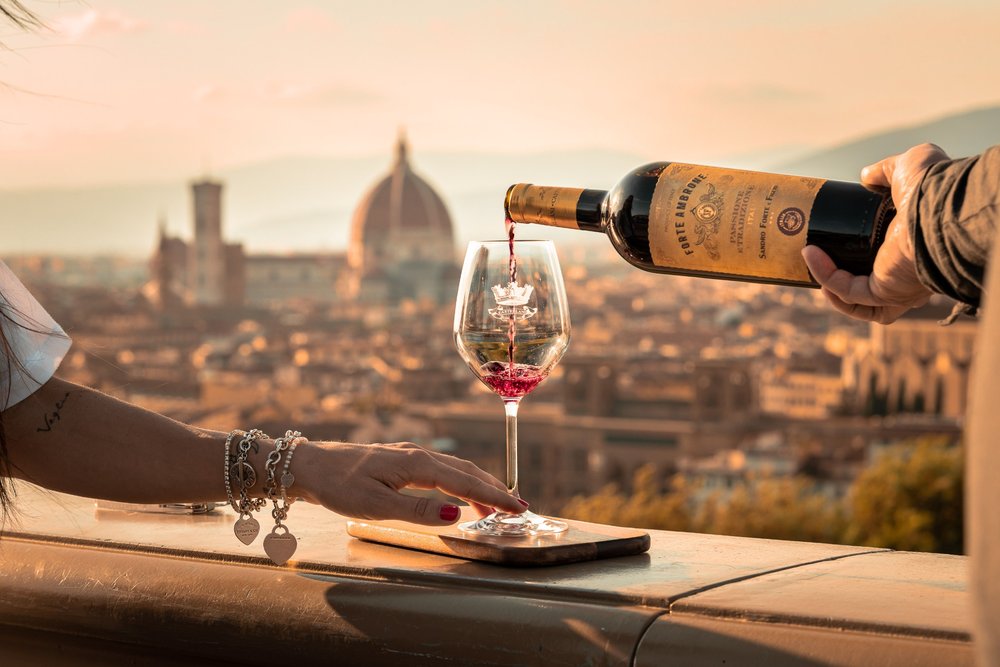
The right Tuscany trip length depends less on a universal formula and more on how you naturally travel. Some couples want depth. Others want variety, movement, and changing scenery.
That difference matters more than copying someone else’s itinerary. Seven days can feel perfect for one couple and rushed for another. Ten days can feel indulgent or excessive, depending on pace.
Before choosing dates, compare travel personalities honestly. One person may value museums and detail. The other may care more about comfort, food, scenery, or unstructured afternoons.
Neither person needs to win. The useful goal is choosing enough time for both travel styles to coexist. That usually leads to better decisions than adding days simply because vacation time allows it.
If You Love Art and History
Art and history travelers can use Tuscany slowly without running out of substance. Florence alone rewards repeat museum time, neighborhood walking, churches, and historical context. Siena can add another meaningful cultural layer.
Seven to ten days often makes sense when culture anchors the trip and countryside still matters. More time allows major sights to breathe. It also reduces the temptation to stack museums until every painting starts blending together.
History-focused travelers often fear missing important places. The better answer is usually more depth, not more cities. A private guide or slower museum day can add more value than another rushed stop.
Walking matters too. Historic centers demand more time on foot than maps sometimes suggest. Extra days can protect energy while still giving cultural priorities proper attention.
If Food and Wine Are the Point
Food and wine travelers benefit greatly from seven to ten days. Lunches, tastings, markets, cooking, and winery visits are not side activities. They are the trip.
That changes the pacing completely. A winery day should not sit between two hotel changes. A long lunch should not feel like something delaying the “real” sightseeing.
These experiences often work best when the calendar leaves space around them. You want time for conversation, scenery, and the meal itself. Watching the clock defeats much of the purpose.
Couples who build Tuscany around food can explore our Tuscany culinary travel guide for deeper planning ideas. It covers wine regions, markets, cooking experiences, and regional flavors. Use it to identify what deserves protected time.
Spending more can improve access or comfort here. However, the real luxury is often time. A slower afternoon can improve the experience more than another expensive reservation.
If You Hate Packing and Repacking
Some travelers dislike moving hotels, and that preference deserves respect. Packing, checkouts, luggage, and repeated orientation can drain energy quickly. Comfort is not laziness.
A longer stay in fewer places can make the same trip feel dramatically easier. You learn the neighborhood, settle into routines, and stop managing luggage constantly. That familiarity has real value.
Guided day trips can help when you want variety without another check-in. Private drivers can do the same for countryside access. Both options may cost more, but they can return time and reduce friction.
This approach also helps couples with different mobility or energy levels. One person may enjoy long touring days. The other may appreciate returning to the same comfortable base.
The key question is simple. Would another hotel meaningfully improve the trip? If not, staying longer may be the better choice.
If You Want a Road-Trip Feeling
Road-trip travelers often enjoy movement itself. Scenic roads, smaller towns, and countryside stops can become part of the experience. Extra days give that style room to work properly.
The danger is turning every day into relocation. Driving should support the trip, not become the main event. Several hours on the road can feel very different from several hours enjoying a place.
Longer stays still matter on a road trip. They give you recovery time between driving days. They also let you enjoy one area after the car keys disappear for the evening.
Leave margin for unplanned stops. A viewpoint, village, or lunch may deserve more time than expected. Those discoveries only help when the schedule allows them.
A road trip is not a race with prettier scenery. Movement should create discovery, not pressure. That distinction keeps the driving enjoyable for both travelers.
If You Prefer Private Guides and Drivers
Private support can make a shorter trip more efficient. A good guide can reduce wasted time and add context quickly. A driver can remove parking, navigation, and transportation friction.
That spending can create genuine value when time is limited. It may also protect energy, especially on long countryside days. Convenience becomes useful when it improves how the day feels.
Still, money cannot erase geography. A private driver cannot turn distant regions into neighbors. Five days remains five days, regardless of transportation quality.
The best use of paid support is reducing friction around priorities. It should not become permission to add more destinations. Efficiency helps most when the itinerary already shows restraint.
Now compare your own travel style honestly. Which matters more, depth, movement, comfort, food, culture, or convenience? Those answers should shape the trip length before you start choosing hotels.
The 60-Second Self-Check: How Many Days Do You Need?
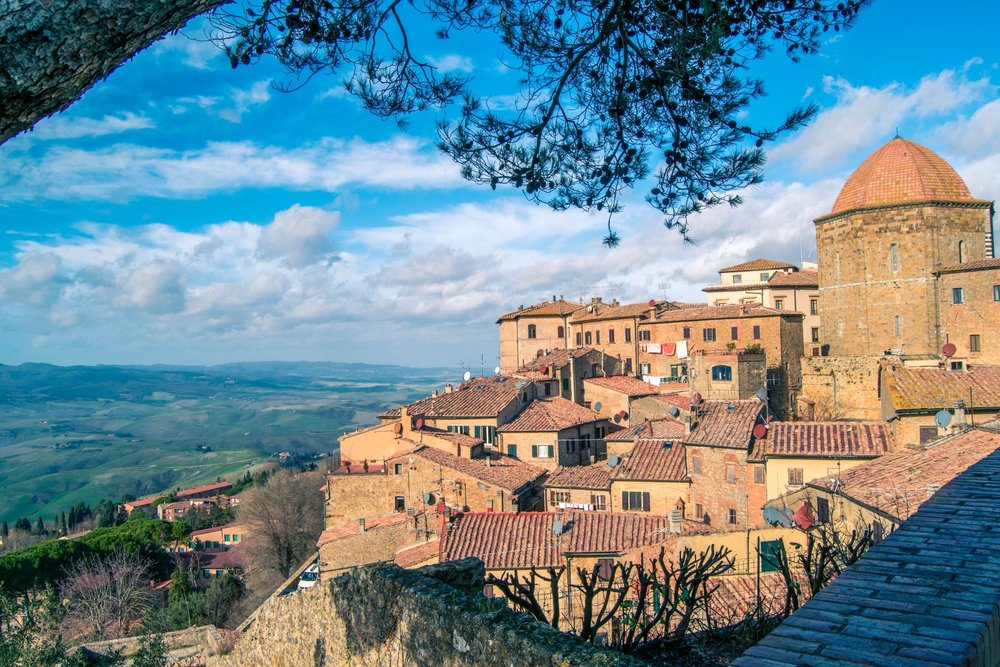
If you are still torn between five, seven, or ten days, this quick check helps. It is not a scientific scorecard. It is a practical way to decide how many days in Tuscany fit you both.
- Do you want Florence to be a real part of the trip, not just an arrival point?
- Do you want at least one food or wine experience lasting half a day or more?
- Do you want to stay in the countryside instead of only seeing it on a day trip?
- Would two hotel changes in a week already feel like enough?
- Do you want at least one unscheduled afternoon or slow morning?
- Would you rather come home with one or two places skipped than feel rushed every day?
Mostly yes answers usually point to seven days as the best starting point. Ten days may fit even better if slower pacing matters to you. A mixed set of answers often means five to seven days is the practical range.
Mostly no answers can still be perfectly fine, especially on a larger Italy trip. In that case, three to five days may be enough for a good first taste. The goal is not to win Tuscany like it is some kind of county fair ribbon. It is to choose a trip length that gives you enough time to enjoy it together.
Can You Combine Tuscany With Rome or Another Part of Italy?
Yes, you can combine Tuscany with Rome or another Italian region. The better question is whether the combination improves your trip. Every added region introduces another transfer, hotel change, and adjustment in pace.
That tradeoff becomes more important on shorter trips. Seven days can support two regions, but the experience changes. You are no longer taking a Tuscany vacation with extra time elsewhere.
Instead, you are building a faster Italy sampler. That can be exactly what some couples want. Others will enjoy the trip more by protecting their Tuscany days.
A transfer day is not a lost day. However, it is not a normal sightseeing day either. Treating it like both creates unrealistic schedules.
A 7-Day Italy Trip Forces Hard Choices
Combining Rome and Tuscany in one week is possible. It simply requires accepting that neither area receives unlimited time. The trip becomes about carefully chosen highlights rather than depth.
That distinction matters when deciding how many days in Tuscany you actually need. Florence alone can absorb several meaningful days. Countryside stays, wine experiences, and slower meals need additional space.
Rome creates the same pressure from the other direction. Major historical sites, neighborhoods, meals, and walking can easily fill several days. Neither destination works particularly well as an afterthought.
One week therefore requires honest priorities. Maybe Tuscany matters more, with Rome providing contrast. Another couple may reverse that balance.
You do not have to “do Italy” on one vacation. Choosing one region is not a failure of ambition. Sometimes it protects the trip you actually wanted.
Around 10 Days Gives the Combination More Breathing Room
Ten days makes Tuscany and Rome easier to combine. Each area can begin feeling like a stay rather than a stop. You also gain more flexibility around arrival and transfer days.
That extra margin matters more than adding another destination. A slower first morning becomes possible. One countryside day can breathe without sacrificing every other priority.
You still need restraint. Ten days can disappear quickly once Florence, Rome, several towns, wineries, and another region enter the conversation. More time does not eliminate geography.
Think about the experience you want in each place. If Rome deserves several meaningful days, protect them. Give Tuscany enough time for both city and countryside if those matter.
A balanced trip should not require every transfer to work perfectly. It should tolerate a slower morning or delayed train. That flexibility improves the entire journey.
Two Weeks Lets You Combine Regions Without Making Every Third Day a Transfer
Fourteen days gives you much more freedom. Tuscany can remain substantial while another major Italian region receives proper attention. You no longer need every move to justify itself immediately.
That does not mean two weeks should become four or five destinations. Frequent hotel changes still consume usable time. Longer trips benefit most when the extra days create depth.
A couple might spend meaningful time in Tuscany and still include Rome comfortably. Another may prefer Venice, the coast, or another region entirely. The right choice depends on shared priorities.
Use the extra days to reduce pressure, not increase ambition automatically. Longer stays can improve meals, sightseeing, and energy. They also make weather or schedule changes easier to absorb.
Choose the Tuscany length first. Then look at what remains and decide whether another region genuinely improves the trip. That order keeps the vacation from becoming a collection of transfers.
My Practical Recommendation for a First Tuscany Trip
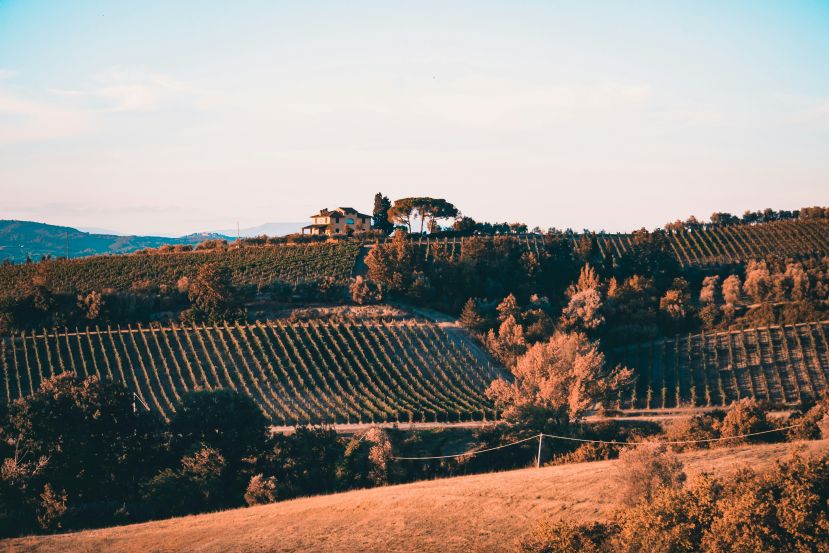
My practical recommendation for a first Tuscany trip starts with seven days. That gives most couples enough room for contrast without constant movement. Florence can matter, the countryside can matter, and neither needs to feel squeezed.
Seven days is not a magic number. It is simply a useful planning anchor for couples who want both culture and breathing room. From there, adjust only when your priorities give you a clear reason.
If you are still asking how many days in Tuscany you need, start with what matters most. Shorten the trip when Tuscany shares time with other Italian destinations. Extend it when food, wine, culture, countryside time, or slower travel become central goals.
Start With Seven Days, Then Adjust Down or Up for a Reason
Three to five days can work when the broader Italy trip needs the time elsewhere. Just accept the tradeoff before you arrive. A shorter stay gives you a narrower Tuscany experience, not a failed one.
With five days, selectivity matters. Florence plus one countryside base can work well when you keep the wish list short. Trying to add every famous town usually costs more experience than it creates.
Seven days gives most first-time visitors more balance. You can protect meaningful city time, a countryside stay, and at least one slower experience. That extra margin often improves the trip more than another destination would.
Ten days makes sense when Tuscany itself is a major reason for visiting Italy. Food, wine, art, history, and countryside time can all receive more attention. You also gain room for mornings or afternoons without a reservation.
Fourteen days fits travelers who enjoy repetition, deeper interests, and settling into a place. It does not require fourteen different attractions. More time should create freedom, not a larger assignment.
The Goal Is Not to Finish Tuscany
A successful Tuscany trip does not need to end with every famous town checked off. It should leave you remembering specific moments clearly. That matters more than proving how much ground you covered.
Think about what you actually want to bring home mentally. Maybe it is a memorable meal, a favorite square, or an unhurried conversation. Those moments need time around them.
Leaving something for another visit is not a planning failure. In fact, it can mean you protected what mattered this time. Tuscany will not become less worthwhile because one town remained unseen.
Give yourselves enough time to notice the trip while you are still living it. Notice the quiet after lunch and the drive back through the hills. Enjoy that second glass of wine when nobody is rushing toward another reservation.
If seven days sounds right, the next decision is not how much more you can add. Decide where you want those seven days to feel fullest. That question will shape a better trip than another list ever will.
Frequently Asked Questions About How Many Days to Spend in Tuscany
These are the questions that usually remain after couples compare different trip lengths. The answers depend on priorities, pace, and geography. Still, a few practical ranges make the decision much easier.
Are 3 Days Enough for Tuscany?
Yes, three days can work for a focused first taste of Tuscany. One base and a short priority list become especially important. You need to decide what matters most before arriving.
Three days becomes difficult when Florence, wine country, and several hill towns all feel essential. A relaxed pace usually cannot coexist with that much geography. Something needs to leave the list.
Think of three days as an introduction, not a complete Tuscany trip. That can still be worthwhile. The experience improves when you stop asking three days to behave like seven.
Is One Week Enough for Tuscany?
Yes, one week is enough for a meaningful first Tuscany trip. Seven days gives many couples a strong balance between variety and breathing room. One or two bases usually work well.
A week can support meaningful Florence time and a countryside stay. It can also protect a slower meal, wine experience, or open afternoon. Those moments become harder to preserve on shorter trips.
Seven days still requires choices. Tuscany offers far more than one week can reasonably cover. The goal is a satisfying trip, not a completed region.
How Long Do You Need for Florence and Tuscany?
Plan at least five to seven days when both Florence and the countryside matter. Five days can work with careful priorities. Seven days gives most couples noticeably more breathing room.
Florence deserves enough time to feel like more than an arrival point. The countryside also benefits from slower travel and fewer hotel changes. Trying to compress both can make each feel rushed.
Seven days is the more comfortable starting point for many first trips. Ten days may fit better when culture, food, or wine matters deeply. Your interests should decide the final number.
Can Tuscany Be Combined With Rome?
Yes, Tuscany and Rome can fit into the same Italy trip. Total trip length determines how relaxed that combination feels. The shorter the trip, the more selective both regions require you to become.
With seven total days, expect a faster two-region sampler. Around ten days creates more room for meaningful time in both places. Two weeks gives much greater flexibility around transfers and slower days.
Do not treat transfer days like full sightseeing days. They still include packing, transportation, check-in, and orientation. Protecting realistic travel time makes the entire Italy trip feel better.
Continue Exploring Tuscany and Slower European Travel
You now have a realistic range for how many days in Tuscany fit the way you travel. The next decision is what you want those days to feel like. These next reads can help you shape that experience without adding unnecessary complexity.
Start with Luxury Culinary Tour in Tuscany: Indulge in the Best Food and Wine Experiences if food and wine drive your interest. It explores the experiences worth protecting time for instead of squeezing between sightseeing stops. Use it to decide whether meals, wineries, and cooking deserve a larger share of your Tuscany days.
Read Luxury Travel Planning for Couples: Why Doing Less Leads to More if another town keeps sneaking onto your itinerary. It explains why fewer transitions can improve comfort, flexibility, and the overall quality of an expensive trip. Doing less does not automatically make a trip smaller.
How Empty Nest Travel Helps Couples Reconnect takes the conversation beyond logistics. Slower dinners, shared experiences, and unhurried time can create room for better conversations together. Tuscany may provide the setting, but the time together can become the real value.
If you are still comparing Tuscany with other possibilities, explore our Destinations for Empty Nester Couples. You can compare places built around culture, food, comfort, scenery, and meaningful travel. Tuscany does not need to win simply because you started researching it first.
If Tuscany already feels right, start planning your Tuscany trip by describing the experience you actually want. Share your dates, preferred pace, interests, and anything you do not want to spend vacation time managing. We can help shape Florence, countryside, and wine-country time around those priorities.
Still comparing trip lengths or deciding what to leave out? Join Luxury Travel by Eric: Empty Nester Couples Vacations on Facebook and bring the question to the group. Hearing how another couple travels may make your own answer much clearer.

Leave a Reply