
Why the Douro appeals to food and wine lovers becomes obvious before the first glass reaches your lips. Vineyards climb impossible hillsides above a river that seems to carry centuries with it. Somewhere ahead, lunch is waiting, and it will taste different here.
The Douro Valley does not separate wine from place. Every bottle reflects heat, stone, elevation, and the patient work behind each terrace. That connection turns a tasting into something far more personal.
Then the food arrives. Conversation pauses. Nobody minds.
Regional cooking brings roasted meats, river fish, olive oil, almonds, bread, and deeply local flavors to the table. Each dish reveals another layer, especially when paired with Douro wines or aged Port. Most couples expect good wine, yet the meals often become the memory they discuss longest.
Soon, vineyard visits lead to family-run quintas, historic cellars, and conversations with people who know every slope. Port traditions meet modern winemaking, while scenic cruises and culinary excursions reveal the region from different angles. The question is not whether you will enjoy the Douro, but how deeply you want to experience it.
The Douro’s Landscape Shapes Every Glass of Wine
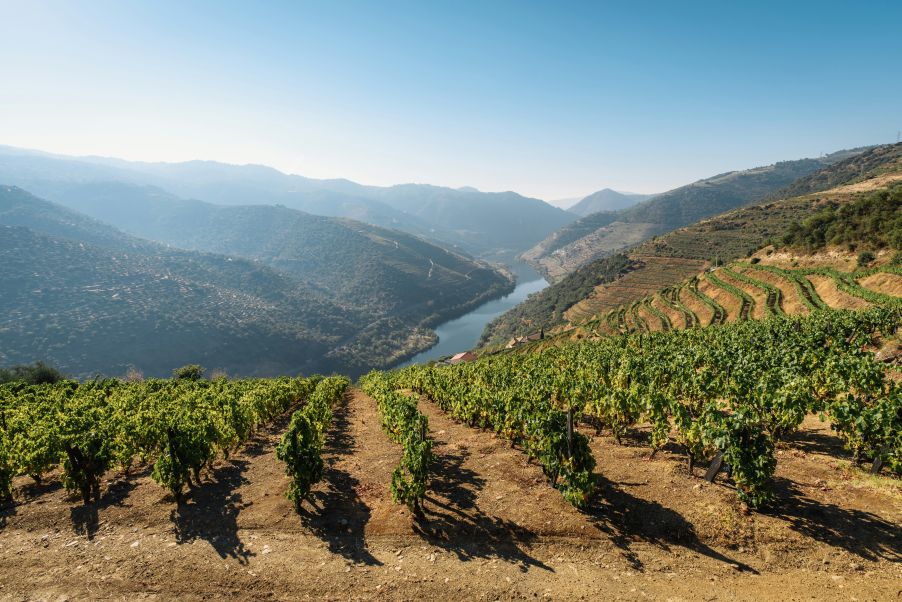
A Douro Valley wine tour begins with a landscape that refuses to remain background scenery. Vineyards cling to slopes that appear far too steep for farming. The river curves below, quietly linking each estate, village, and generation.
You can explore this idea in more detail in Luxury Douro Valley Travel for Couples: Beautiful Slow Escape, including how the Douro Valley works for couples who want wine, scenery, beautiful hotels, and a slower pace.
Intense sunlight ripens grapes across terraces cut into layers of fractured stone. Meanwhile, elevation and exposure create striking differences between vineyards separated by surprisingly short distances. You begin understanding the wine before anyone pours it.
That understanding changes the tasting.
Larger wine regions often lead visitors through polished rooms built around efficient hospitality. The Douro feels smaller, closer, and more personal. Here, the vineyard remains visible through the window while someone explains what it demanded.
Most couples initially focus on vintages, varieties, and tasting notes. Yet the hidden truth sits outside the glass. Once you see the terrain, every sip carries more weight.
Centuries of Winemaking on Terraced Hillsides
Generations of growers carved narrow terraces across steep slopes overlooking the Douro River. They worked with schist, a brittle stone that fractures easily and stores heat. These terraces created small strips where vines could survive despite the difficult terrain.
Nothing about this work feels easy.
Many slopes remain too steep or narrow for large machinery. Workers climb stone stairways, cross uneven ground, and tend vines row by row. During harvest, teams often carry grape baskets along paths that challenge even steady legs.
Traditional quintas reveal the physical story behind the polished bottle. You may notice old retaining walls, tight vineyard rows, and staircases rising almost vertically. Suddenly, “hand-harvested” stops sounding like attractive label language.
What most couples do wrong is schedule too many estates within one day. Rushing leaves little time to absorb the landscape or hear the family stories behind it. A slower visit often reveals what the tasting room alone cannot.
For a closer look at choosing estates and structuring your day, read Douro Valley Wine Tour: Secrets Insiders Know. The right route protects the relaxed rhythm that makes this region memorable. It also keeps those winding roads from becoming your strongest recollection.
How the Douro’s Climate Influences Its Wines
The Douro experiences hot summers, cold winters, and dramatic temperature changes across elevations. Sheltered valleys can trap fierce heat near the river. Higher vineyards receive cooler air, especially during evenings and harvest season.
Those differences shape the grapes.
Lower riverside sites often produce richer fruit, deeper concentration, and fuller structure. Cooler elevations can preserve acidity, fragrance, and freshness. Winemakers blend grapes from several locations to create balance rather than relying upon one uniform vineyard profile.
That complexity explains why two Douro wines can taste remarkably different. One may feel powerful, dark, and warm. Another may offer brighter fruit, sharper definition, and a lighter finish.
Portugal’s official tourism site provides additional context about the Douro Valley and its protected cultural landscape. Yet maps and climate explanations only tell part of the story. The real lesson arrives when you taste two wines grown at different heights.
Then the landscape stops looking beautiful and starts tasting familiar.
The Douro Offers Far More Than Port Wine
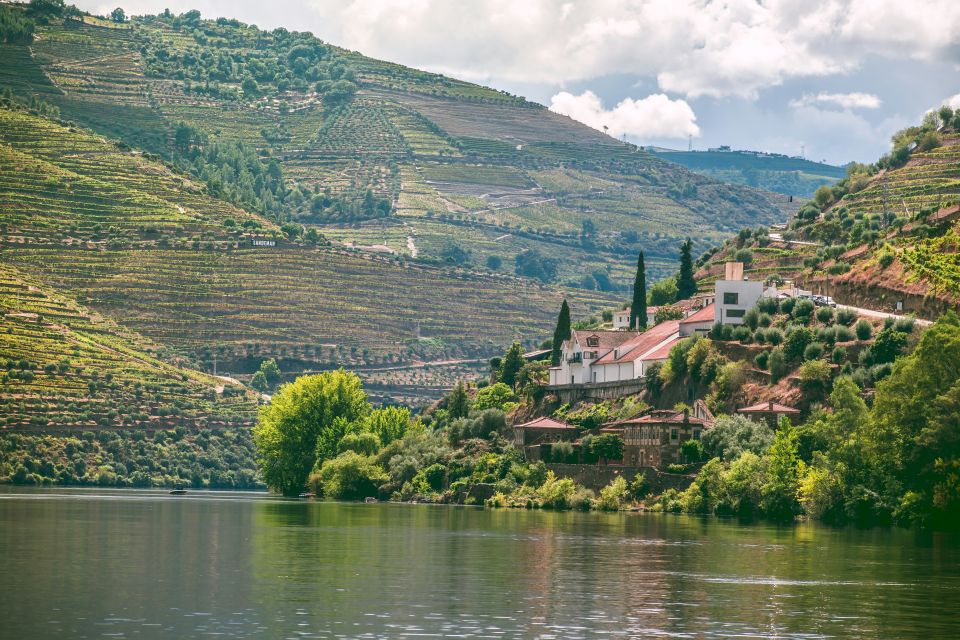
Port built the Douro’s reputation, yet it tells only part of the region’s wine story. Modern producers also create impressive reds, whites, rosés, and sparkling wines. That range surprises many first-time visitors.
A thoughtful Douro Valley wine tasting makes those differences clear without becoming a chemistry lesson. You might compare a sweet, fortified Port with a dry, structured red. Suddenly, familiar grapes reveal entirely different personalities.
Production methods shape everything. Fortification preserves sweetness, while traditional fermentation creates dry table wines suited for lunch or dinner. Aging then adds another layer, and sometimes another opinion.
That variety changes how couples experience the valley. One tasting can move from a chilled aperitif to a serious dinner wine. Port may open the conversation, but it rarely gets the final word.
Understanding the Main Styles of Port
Ruby Port tastes youthful, fruit-driven, and full of dark berry character. Tawny Port develops softer textures and flavors resembling nuts, caramel, and dried fruit. White Port ranges from dry and refreshing to richly sweet.
Vintage Port ages mainly inside the bottle after limited barrel time. Its flavors remain powerful, structured, and capable of developing for decades. Late bottled vintage offers similar depth with easier serving and earlier drinking.
Tawny Port follows another path. Longer barrel aging creates mellow flavors, lighter color, and a silkier texture. It suits relaxed evenings when opening a treasured vintage bottle feels unnecessarily ceremonial.
Pairings make these styles easier to understand. Ruby Port works beautifully with chocolate, while tawny complements almonds, aged cheese, and nut-based desserts. Chilled white Port makes an elegant beginning before dinner.
For travelers seeking cultural depth beyond the tasting room, explore Cultural Experiences Portugal: Secrets Only Locals Know. Portugal’s food and wine traditions make more sense when viewed beside its living customs. That connection becomes even stronger farther upriver.
Discovering Douro DOC Table Wines
Many Douro estates now create dry wines from grapes once associated mainly with Port. These bottles reveal the valley without fortification or pronounced sweetness. The result can feel surprisingly contemporary.
Douro reds often combine ripe fruit, firm structure, spice, and mineral character. Better examples maintain freshness despite the region’s heat. Some mature beautifully, although patience remains an acquired hobby.
White wines offer another surprise. Rabigato and Viosinho can produce bright acidity, floral aromas, and clean mineral finishes. Higher vineyards often help preserve that refreshing character.
Touriga Nacional brings fragrance, dark fruit, and structure to many red blends. Touriga Franca adds elegance, while Tinta Roriz contributes spice and body. Together, these varieties create wines that feel unmistakably local.
A Douro Valley tour with lunch, tastings, and a river cruise offers a practical introduction to this range. The experience combines two wineries, regional food, and river scenery within one day. Yet one question remains: which wine will follow you home?
Regional Food Makes the Wine Experience Complete
Douro Valley food and wine belong together because both grew from the same demanding land. Families cooked with seasonal produce, preserved meats, sturdy breads, and ingredients that survived difficult winters. Nothing went unused, especially when farming required so much effort.
Meals still carry that practical spirit, although the experience can feel wonderfully indulgent. Concentrated reds complement roasted meats, while fresh whites brighten fish, vegetables, and creamy cheeses. Aged Ports bring warmth to nuts, desserts, and lingering conversations.
The hidden truth is simple. Wine tastes better when lunch reveals where it came from. Context has a flavor.
Most couples make one mistake by treating lunch as another timetable obligation. A rushed restaurant meal may satisfy hunger, but a vineyard lunch creates understanding. Hosts explain each pairing while terraces stretch beyond the table.
Time slows without anyone announcing it. Olive oil catches the light, bread arrives warm, and another bottle quietly appears. Suddenly, leaving on schedule feels like a rather silly ambition.
Traditional Dishes to Try in the Douro Valley
Traditional Douro cooking favors honest flavors and patient methods. Roasted kid arrives tender and richly seasoned, often beside potatoes that absorbed every useful drop. Posta mirandesa offers thick beef, simple seasoning, and little interest in culinary decoration.
Wild boar, cured sausages, and slow-cooked stews reflect inland farming traditions. Salt cod remains common, although preparations vary between kitchens and family recipes. Grilled river fish provides a lighter contrast to the region’s heavier classics.
Rustic does not mean careless.
Local herbs, excellent olive oil, crusty bread, and seasonal vegetables often carry the meal. These ingredients soften richer dishes without competing against the wine. You notice balance rather than excess, which matters during a full tasting day.
Travelers seeking lighter meals should ask about grilled fish, vegetable soups, salads, and seasonal produce. Many wineries can adjust lunch with advance notice. Requesting alternatives feels wiser than politely battling another heroic portion of meat.
Portugal’s regional traditions become clearer when compared with meaningful cultural experiences for couples in Lisbon. Both destinations reward curiosity, slower meals, and conversations beyond familiar sightseeing. Yet the Douro adds something Lisbon cannot offer so easily.
Here, lunch may overlook the vines that filled your glass.
Cheeses, Olive Oils, Bread, and Preserves
A Douro tasting rarely depends upon elaborate plates. Local cheeses, smoked meats, almonds, olives, honey, and preserves can reveal plenty. Fresh bread handles the difficult work of making everything disappear.
Small bites also prevent tasting fatigue. A firm cheese softens a structured red, while almonds draw out an aged tawny’s nuttier character. Honey and fruit preserves introduce sweetness without requiring another formal dessert.
Olive oil tastings offer their own quiet education. Guides may ask you to notice aroma, freshness, bitterness, and the peppery sensation afterward. Quality oil often tastes brighter and livelier than many travelers expect.
That final peppery note can surprise you.
A well-paced culinary excursion combines these flavors without turning the day into an eating contest. This Douro Valley tour with three wine tastings, lunch, and a river cruise provides that broader regional experience. It connects vineyard visits, local food, and river scenery within one structured day.
Still, small bites often create the clearest memories. They encourage comparison, conversation, and one more taste before moving onward. The next question becomes where that relaxed table might lead.
Vineyard Visits Turn Tastings Into Personal Experiences
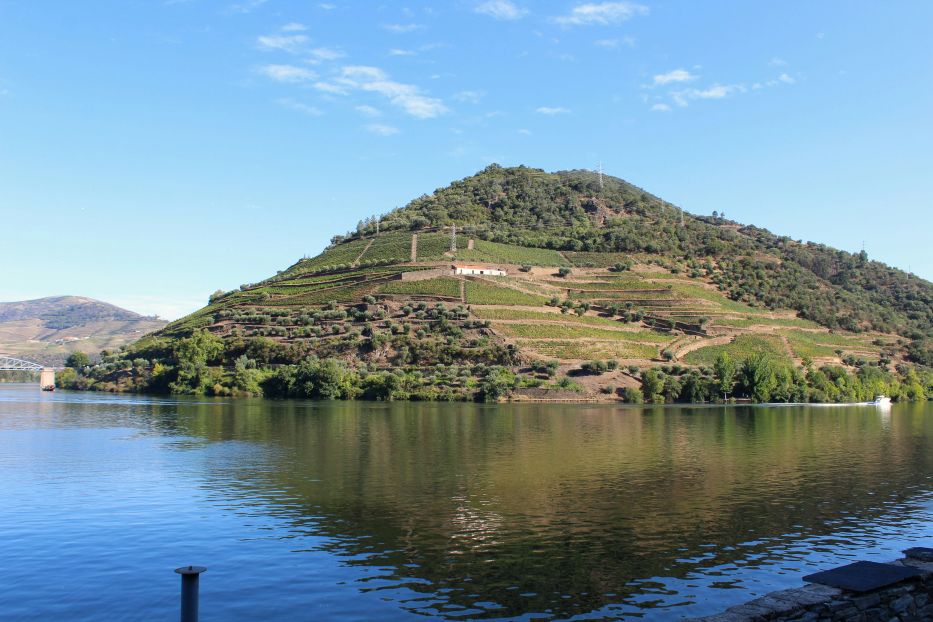
A Douro Valley wine tasting becomes more meaningful when someone explains the hands, choices, and history behind each bottle. Private tours offer flexibility, while small groups add conversation without requiring a crowded coach. Cruise excursions provide convenience, although their schedules may allow less time at each estate.
Large producers often feature impressive cellars, polished facilities, and broad tasting selections. Smaller family-run quintas usually feel quieter and less rehearsed. Neither experience automatically proves better, but they leave very different impressions.
Meeting winemakers changes the conversation entirely. They may explain why one harvest caused sleepless nights or why a family preserved certain vines. Those details never appear on a supermarket shelf.
The hidden truth is that wine knowledge matters less than genuine curiosity. Ask thoughtful questions, taste slowly, and notice what surprises you. The most memorable answer may have little to do with tasting notes.
What Happens During a Quinta Visit
Most visits begin among the vines, where guides explain the terrain, grape varieties, and seasonal vineyard work. Production areas reveal how grapes move from harvest through fermentation. Cellars then show how barrels, tanks, and time shape the finished wine.
A guided tasting usually follows. Some estates add local cheeses, bread, olive oil, or a full vineyard lunch. By then, the landscape and wine finally connect.
Ask how workers harvest steep terraces and which grapes thrive at different elevations. Learn whether the estate blends vineyard parcels or bottles them separately. Questions about family history often unlock the best stories.
Upgraded visits can include barrel samples, older library wines, or private blending sessions. Certain quintas arrange intimate meals with estate representatives or winemakers. These experiences cost more, yet personal access often justifies the difference.
What most couples do wrong is treat the visit like a checklist. They photograph the view, finish the tasting, and hurry toward another appointment. Doing less often reveals more, as this guide to slower luxury travel planning explains.
Private Tours Versus Small-Group Excursions
Private tours give you control over pacing, winery choices, transportation, and meal preferences. You can linger after an engaging tasting or leave when an estate feels too commercial. That freedom becomes valuable during a long day.
Personal transportation also helps travelers managing stairs, uneven paths, or limited mobility. Guides can adjust walking demands and recommend accessible estates. Couples seeking quiet conversation usually appreciate having the vehicle to themselves.
A fully customizable private Douro Valley tour can include selected wineries, scenic stops, lunch, and optional river experiences. The format removes driving concerns while preserving flexibility. It also avoids the familiar group-tour ritual of waiting for missing passengers.
Small-group excursions usually cost less and create a friendly social atmosphere. The better options limit passenger numbers and avoid oversized coaches. Shared experiences can feel lively when fellow travelers respect the pace.
Still, customization remains limited. Winery choices, departure times, and meal arrangements follow the established itinerary. The right decision depends on whether you value savings, privacy, control, or spontaneous conversation most.
River Cruising Adds Another Layer to the Culinary Journey
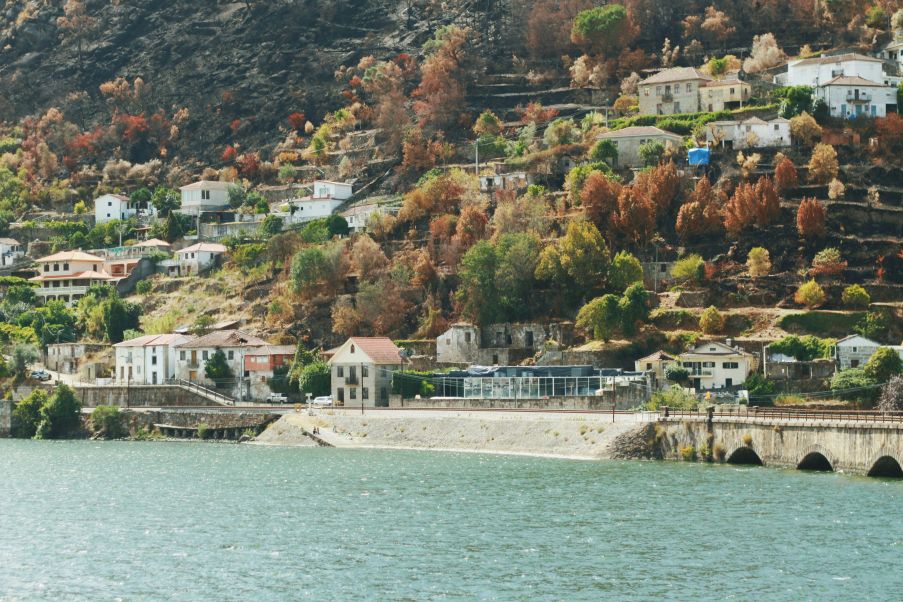
The Douro River connects Porto’s historic wine trade with Pinhão, vineyard estates, and villages farther inland. Its curves reveal how dramatically the terrain changes beyond the city. Each bend seems to expose another improbable vineyard.
From the deck, terraces rise like giant steps above the water. Regional wines taste different when their vineyards remain visible beside your table. Even lunch gains context as the valley slowly passes.
A multiday Douro river cruise offers the easiest immersion. Porto-based day trips deliver a concentrated introduction, while independent stays allow greater freedom. Each approach suits a different kind of couple.
The hidden truth involves pace. Most couples compare itineraries, yet overlook how long they want the landscape around them. A few scenic hours feel satisfying, but several days create deeper familiarity.
Food and Wine on a Douro River Cruise
Onboard menus often reflect the regions visited that day. Portuguese dishes, local wines, and Port tastings keep the destination present after excursions end. Some sailings also feature demonstrations, pairing dinners, or conversations with regional producers.
Still, cruise lines approach food differently. Compare beverage inclusions, menu variety, dining flexibility, and the quality of included wines. Group sizes matter too, especially during vineyard visits.
A lower fare may include fewer tastings or charge extra for premium drinks. More inclusive lines can simplify spending and reduce daily decisions. Experienced travelers often value that ease more than another flashy amenity.
Look closely at the culinary schedule. Market visits, winery lunches, blending sessions, and hosted dinners offer stronger connections than routine cellar tours. Yet timing matters because three tastings before lunch can test anyone’s enthusiasm.
Cruise style also shapes the experience. This comparison of Danube river cruises and ocean cruises explains how ship size changes dining, excursions, and daily rhythm. Those same differences deserve attention on the Douro.
Combining Porto, the River, and the Valley
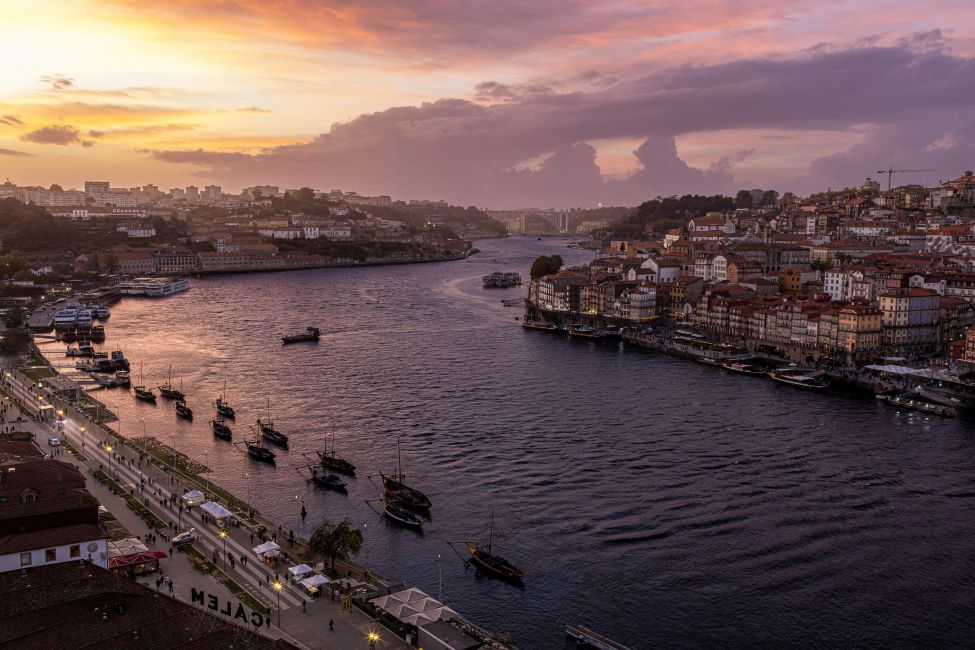
Porto and Vila Nova de Gaia provide the natural beginning. Historic cellars explain Port’s journey from inland vineyards to riverside aging lodges. Markets, restaurants, and wine bars add flavor beyond formal tastings.
Then Pinhão changes the perspective. Vineyard estates surround the town, while boat journeys reveal terraces hidden from nearby roads. The celebrated N222 offers another view, although watching scenery beats navigating its curves.
For a brief visit, spend several nights in Porto and take one carefully chosen valley excursion. This small-group Douro tour includes two vineyard visits, a winery lunch, and a river cruise. It provides variety without requiring an overnight move.
Before a multiday cruise, allow two nights in Porto for cellars and unhurried dinners. Longer independent journeys can add Pinhão, a vineyard hotel, and scenic drives through northern Portugal. That extra time creates room for spontaneous discoveries.
What most couples do wrong is make Porto merely an arrival point. The city explains the business and traditions surrounding Port. The valley then reveals the land, labor, and families behind it.
Together, they complete the story.
Let the Douro Become Your Next Great Shared Story
The Douro combines terraced vineyards, regional cooking, generous hospitality, and river scenery within one remarkably accessible journey. Each element strengthens the others. Wine becomes richer when you understand the land, people, and traditions behind it.
Your ideal experience depends on how you prefer to travel together. Private vineyard stays offer freedom, while guided excursions remove logistical stress. Multiday river cruises deliver comfort, structure, and changing scenery without constant packing.
There is no single correct approach.
Some couples want long lunches, private tastings, and quiet evenings overlooking the vines. Others prefer guided discoveries, lively conversations, and a ship waiting nearby. Your wine knowledge matters less than your curiosity and preferred pace.
What most couples do wrong is choose an itinerary before deciding how they want each day to feel. A crowded schedule can turn meaningful tastings into rushed appointments. The Douro deserves more breathing room than that.
The right journey should reflect your dining interests, mobility needs, comfort preferences, and appetite for independent exploration. Thoughtful planning protects the moments you traveled this far to enjoy. Those moments often begin after the official activity ends.
Ready to explore the Douro without sorting through every hotel, cruise, transfer, and vineyard yourself? Start planning your custom journey with Empty Nester Getaways. We will shape the details around how you genuinely want to travel.
Still gathering ideas before choosing dates? Join Luxury Travel by Eric: Empty Nester Couples Vacations on Facebook. You will find practical guidance, destination inspiration, and conversations with couples planning their next meaningful escape.
P.S. Want to learn more about the Douro and decide if it might be the right river cruise for you? I’ve put together several other articles that can help:
- Douro vs. Danube: Which River Cruise Offers the Better Experience?
- Why Empty Nesters Are Falling in Love With Portugal
- What Is a Douro River Cruise?
Take a look at whichever one answers the question you’re thinking about next.