
What is a Douro River cruise, and why does it feel so different from almost every other European sailing? It is a multi-day journey through northern Portugal’s Douro Valley, usually beginning and ending near Porto. Yet that simple definition barely captures what unfolds beyond the city.
The river carries you past steep vineyard terraces, stone villages, and wine estates clinging to sun-warmed hillsides. Mornings often begin with quiet scenery and strong coffee. Afternoons may bring guided tastings, historic towns, or a slow sail through dramatic locks.
This is not a cruise built around endless onboard entertainment. The Douro rewards travelers who value atmosphere, regional culture, and a pace that allows moments to breathe. Many couples discover that doing less each day creates a far richer experience.
Still, the relaxed rhythm does not mean every Douro cruise feels identical. Cruise lines vary in dining, excursions, cabin design, service, and time spent ashore. Those differences can shape the entire trip, especially for travelers who care about comfort and thoughtful planning.
This guide will explain how Douro River cruises work, what they include, and where they travel. You will also learn what the experience feels like beyond the glossy brochure photographs. Most importantly, you can decide whether this quieter style of cruising truly matches how you want to travel.
Where Does a Douro River Cruise Travel?
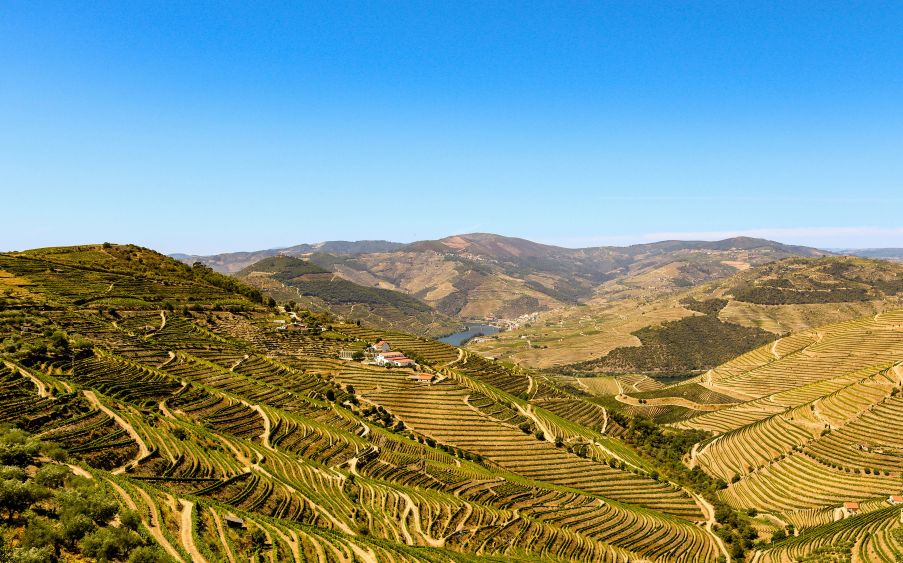
The Douro begins in Spain, crosses northern Portugal, and reaches the Atlantic beside Porto. Most Douro River cruise itineraries sail round-trip from Porto toward the Spanish border. Along the way, each bend reveals a quieter and increasingly dramatic version of Portugal.
Ships commonly visit Régua, Pinhão, Barca d’Alva, and Vega de Terrón. Salamanca often appears as a full-day excursion reached by coach from the border. The route looks compact on a map, yet its changing landscapes make every stretch feel distinct.
Porto and the Lower Douro
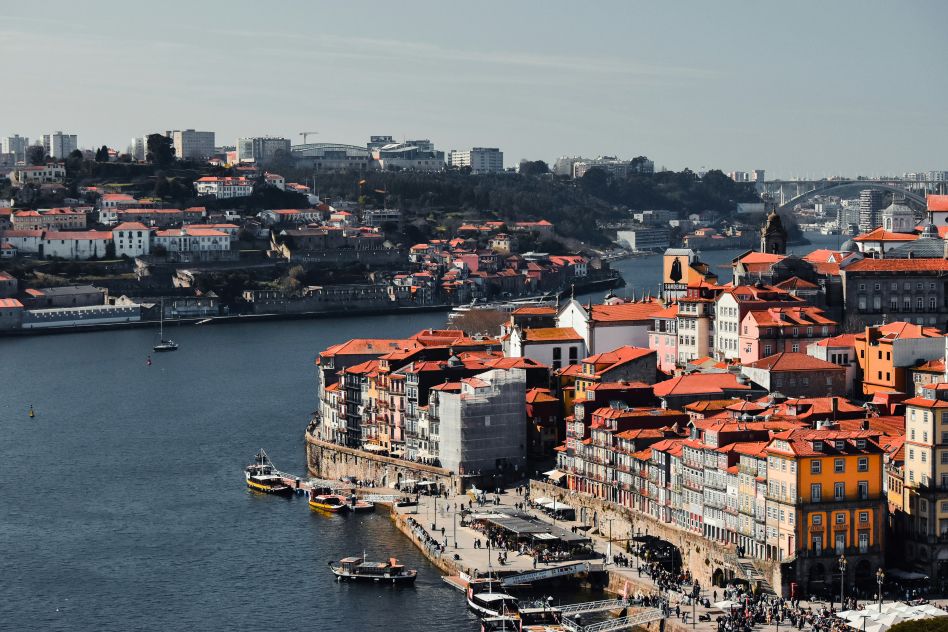
Porto and neighboring Vila Nova de Gaia anchor most cruises because both sit near the river’s Atlantic mouth. Their docks also provide convenient access to airports, hotels, and historic neighborhoods. Beginning here lets travelers ease into Portugal before the countryside takes over.
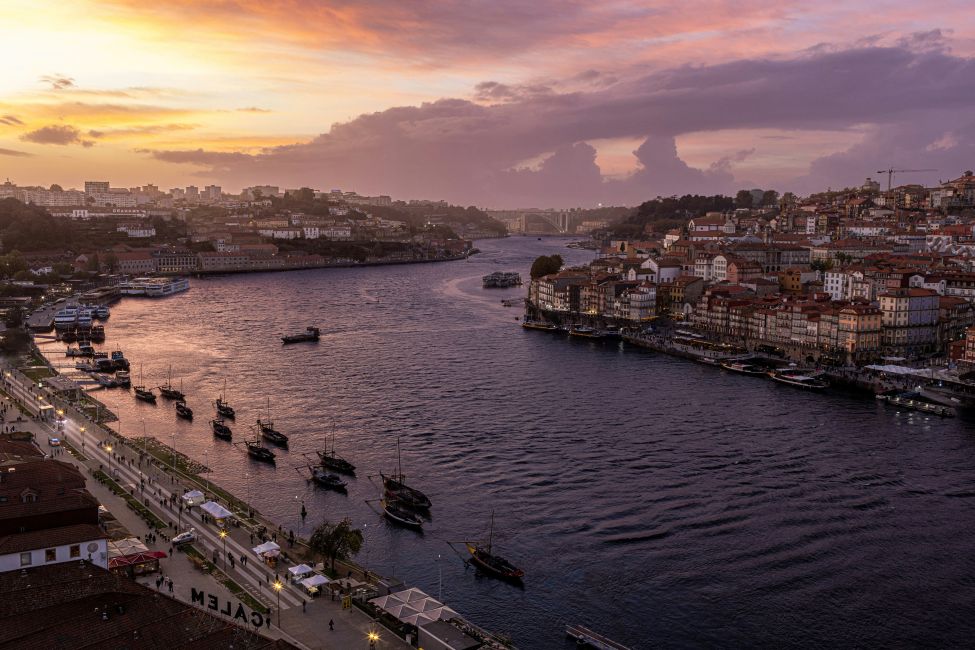
Along the Ribeira waterfront, colorful buildings rise above busy cafés and passing boats. The Dom Luís I Bridge frames memorable views across Porto and Gaia. Across the river, port cellars invite tastings within cool stone rooms carrying centuries of history.
Yet Porto offers a different experience from the Douro Valley itself. The city feels animated, textured, and wonderfully imperfect. Farther upriver, traffic fades, hills steepen, and vineyard terraces begin dominating every view.
Couples who love cultural depth should allow extra time before or after sailing. This Portugal historical tour explores why the country rewards travelers who look beyond polished landmarks. Porto provides that first intriguing layer, but the river soon reveals another.
The Upper Douro and Spanish Border
Beyond Porto, apartment buildings slowly give way to wooded slopes and cultivated hillsides. Near Régua and Pinhão, vineyards climb steep terraces shaped by generations of careful labor. Small villages appear briefly, then disappear behind rocky curves.
Régua serves as an important commercial center for the Douro wine region. Pinhão feels smaller and more intimate, with wine estates surrounding its riverside setting. Both towns provide natural starting points for tastings, scenic drives, and estate visits.
Farther east, the river grows quieter as ships approach Barca d’Alva and Vega de Terrón. This remote section follows the Portuguese and Spanish border through rugged countryside. Visit Portugal’s Douro Valley guide offers useful context for the region’s geography and wine heritage.
Some cruise itineraries continue the experience inland with a full-day excursion to Salamanca. Its golden stone architecture creates a striking contrast after several days among vineyards. The journey takes time, but skipping it may become the decision you discuss afterward.
What Makes the Douro River Different From Other European Rivers?
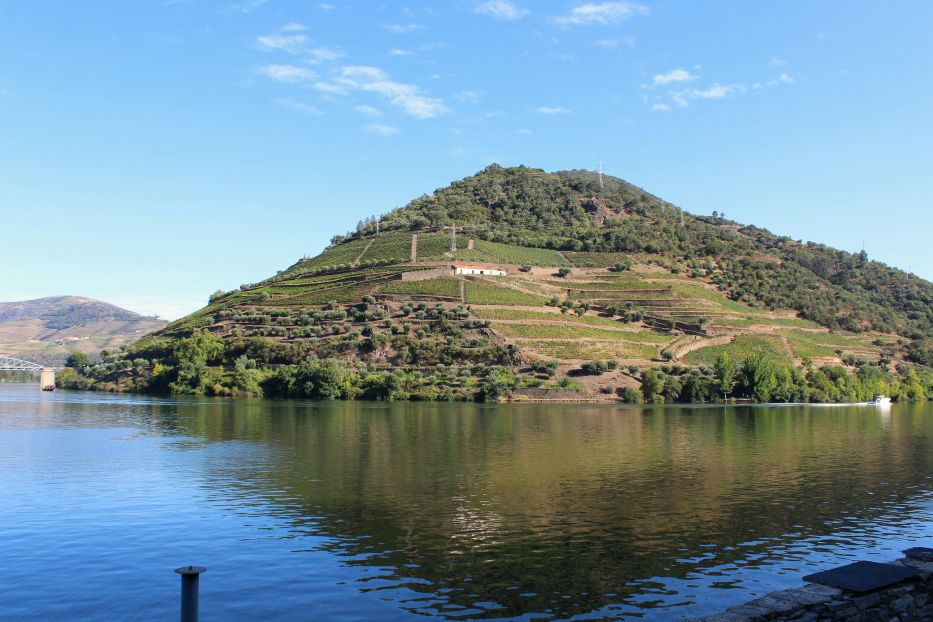
The Douro does not parade one grand capital after another. Instead, vineyard-covered hills, family estates, and small communities shape the view. Its appeal feels quieter, more intimate, and closely tied to the land.
Danube and Rhine cruises often build momentum around famous cities. A Douro River cruise asks you to notice stone terraces, changing light, and distant villages. That slower focus can feel refreshing after years of rushed vacations.
The river itself controls the experience. Narrow passages, steep banks, dams, and locks limit ship dimensions and influence daily schedules. Here, engineering and scenery share the stage, although scenery usually wins.
A Cruise Through a Working Wine Region
These hills create more than a beautiful backdrop. Vineyards, quintas, olive groves, and farming communities still support daily life throughout the valley. Travelers watch a working region rather than scenery preserved only for visitors.
UNESCO recognizes the Alto Douro Wine Region for its long history of wine production and human-shaped terraces. The stone-lined slopes reveal generations of demanding labor. Beauty arrived here through persistence, which gives every view greater meaning.
From the ship, you may spot vineyard workers moving between rows. Whitewashed estates appear above tiny stations, while villages gather around church towers. Then another bend reveals terraces climbing higher than expected.
For a broader comparison, read The Better Cruise After 50: Danube River or Ocean?. UNESCO explains the landscape through its Alto Douro Wine Region listing. Together, they reveal why this river feels so distinct.
Daytime Sailing and Lock Navigation
Douro ships generally sail during daylight because navigation follows regulated operating hours. That schedule gives passengers more time to watch the valley unfold. Missing the scenery would rather defeat the point.
Locks help ships cross dramatic changes in river elevation. Carrapatelo Lock provides one memorable example, lifting vessels between different water levels. Watching the process from the deck feels surprisingly impressive.
Other European river cruises may cover long distances overnight. On the Douro, slow passages and lock crossings become part of each day. You travel fewer miles, yet notice far more.
Most couples initially focus on ports and excursions. The hidden truth involves the hours between them. On this river, those quiet sailing periods often become the memories that linger longest.
What Is Included on a Douro River Cruise?
Most Douro River cruises include your stateroom, daily meals, guided sightseeing, onboard programs, Wi-Fi, and selected beverages. That bundled approach removes many decisions from each day. You can focus on Portugal instead of tracking reservations and receipts.
However, cruise fares rarely include everything equally. Drinks, gratuities, airport transfers, premium excursions, and specialty experiences vary between cruise lines. Cabin category and fare level may also change which benefits you receive.
The hidden truth sits inside the total value. Hotels, guides, meals, transportation, and regional transfers quickly add up when booked separately. Compare the complete experience, rather than judging a cruise by its starting price.
Accommodations, Dining, and Onboard Service
Douro ships offer several stateroom styles, although choices vary by vessel. Lower-deck rooms usually feature fixed windows near the waterline. Higher categories may include French balconies, full balconies, or larger suites.
French balconies create openness without sacrificing interior space. Full balconies provide outdoor seating, though they can reduce room size. Most couples should examine layouts carefully before paying for a category name.
Meals often highlight Portuguese seafood, cheeses, regional wines, and traditional dishes. International choices usually appear beside local flavors for welcome variety. Port tastings may also surface, because resisting them here would seem unnecessarily disciplined.
Between excursions, passengers gather in lounges or relax on the sun deck. Some ships include small pools, fitness rooms, lectures, tastings, and evening entertainment. Expect refinement and conversation, rather than waterslides and midnight conga lines.
Excursions and Guided Experiences
Most itineraries include daily guided sightseeing, sometimes with different activity levels. Choices may feature vineyard visits, village walks, palace tours, cooking demonstrations, or wine tastings. Longer excursions can also reach Salamanca from the Spanish border.
Not every experience comes automatically. Certain tastings, private visits, or limited-capacity tours may cost extra and require early reservations. Some outings involve lengthy coach rides, steep streets, stairs, or uneven vineyard paths.
What most couples do wrong is choosing excursions by title alone. Review walking demands, transportation time, group size, and actual time at each destination. A glamorous description can hide three hours aboard a bus.
For deeper insight, explore Douro Valley Wine Tour: Secrets Insiders Know. The guide explains how different touring styles can change your connection with the region. That distinction matters more than many first-time visitors expect.
Travelers wanting a land-based comparison can consider this Douro Valley tour with lunch, tastings, and a river cruise. It shows how much planning a single independent touring day can involve. A river cruise handles those moving pieces differently, and that convenience deserves a closer look.
What Do You See and Do During a Douro River Cruise?
Each day blends scenic sailing with vineyards, historic towns, cultural landmarks, and sweeping viewpoints. Included excursions provide structure, while optional experiences let you follow personal interests. Quiet hours onboard create breathing room between discoveries.
Active travelers may choose longer walks, while wine lovers can prioritize tastings. History enthusiasts often gravitate toward palaces, churches, and preserved villages. Couples seeking slower days can simply watch the valley pass.
The hidden truth involves balance. Most couples overschedule because every excursion sounds irresistible. Yet one unhurried afternoon may reveal more than another crowded itinerary.
Wine Estates and Douro Valley Experiences
A typical quinta visit begins among vines climbing steep, sunlit terraces. Guides explain harvesting, winemaking, and the demanding landscape before leading guests into cool cellars. Tastings often follow, paired with cheese, bread, olive oil, or chocolate.
Port wine tastes sweeter and usually carries higher alcohol than regional table wine. Douro reds often feel bold, while local whites can taste fresh and bright. Producers may also offer olive oils, honey, or traditional liqueurs.
Optional experiences can include private tastings, winery lunches, rabelo boat rides, and scenic drives along the N222. This Douro Valley tour with lunch, tastings, and a river cruise offers a useful land-based comparison. It shows how food, wine, scenery, and transportation shape one full day.
Historic Towns and Cultural Excursions
Excursions may visit Lamego, Vila Real, Castelo Rodrigo, Régua, Pinhão, or Salamanca. Each destination reveals a different layer of regional history. Some feel polished, while others retain a quieter, lived-in character.
Lamego’s sanctuary rewards stair climbers with architecture and broad valley views. Mateus Palace introduces baroque elegance near Vila Real. Salamanca offers golden stone streets and a UNESCO-listed old city shaped across centuries.
Walking demands vary greatly. Cobblestones, steep lanes, palace stairs, and coach journeys can turn an appealing description into a tiring day. Review the details before choosing, especially when free time matters.
For deeper context, explore Cultural Experiences Portugal: Secrets Only Locals Know. It examines how traditions, food, and history create richer travel experiences. Those connections often separate memorable journeys from pleasant sightseeing.
What Is the Typical Pace of a Douro River Cruise?
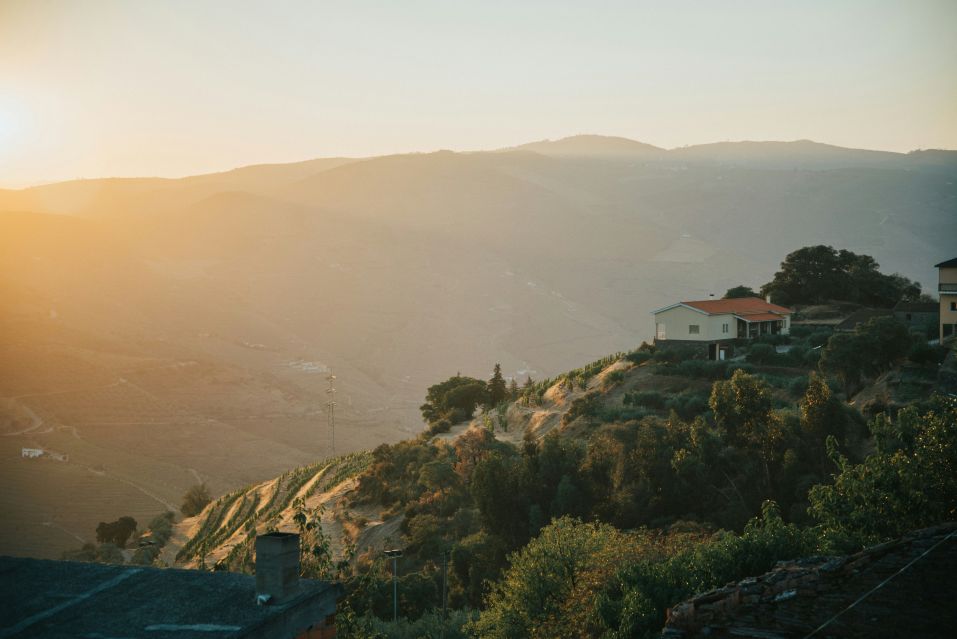
A Douro River cruise follows a structured schedule, yet the overall rhythm usually feels relaxed. Daytime sailing creates long windows for scenery, conversation, and unhurried meals. Organized excursions add direction without filling every waking hour.
That convenience comes with a tradeoff. You unpack once, avoid daily transfers, and let the ship handle logistics. However, excursion departures and sailing schedules still determine when your day begins.
Most couples underestimate that structure. They expect complete freedom because the journey feels effortless. The hidden truth appears when the alarm rings before an early excursion.
A Typical Day on the River
Mornings often begin with breakfast before a guided visit to a village, palace, or vineyard. Lunch usually follows onboard as the ship sails through terraced countryside. Afternoons may bring another excursion, scenic cruising, or quiet time on deck.
Dinner introduces regional dishes, local wines, and conversation about the day. Evening entertainment often feels understated, with music, tastings, or cultural programs. Nobody expects a nightclub until midnight, which many travelers consider excellent news.
Longer outings may require earlier departures, especially trips to Salamanca or destinations farther inland. Those days can include substantial coach travel and extended walking. Reading the excursion details matters more than admiring the photographs.
You can sometimes skip an outing, remain onboard, or select a gentler alternative. That choice can protect your energy without diminishing the trip. In fact, one quiet afternoon may become surprisingly memorable.
How Much Independence Travelers Have
Included excursions operate on fixed schedules and require punctual returns. Free time varies by port, docking location, and the ship’s sailing plan. Some stops allow independent wandering, while others leave little room beyond the guided program.
A private Douro Valley stay offers greater control over meals, tastings, and daily timing. Independent road trips provide flexibility, although they require navigation and frequent planning. River cruises exchange some freedom for simplicity.
What most couples do wrong is assume one travel style must win. The better choice depends on how much structure feels comforting rather than restrictive. Luxury Travel Planning for Couples: Why Doing Less Leads to More explores that important distinction.
For comparison, this private Douro Valley tour with lunch, tastings, and river cruising offers a more flexible approach. It lets couples experience regional highlights without following a multi-day ship schedule. That difference may reveal which pace truly suits you.
When Is the Best Time to Take a Douro River Cruise?
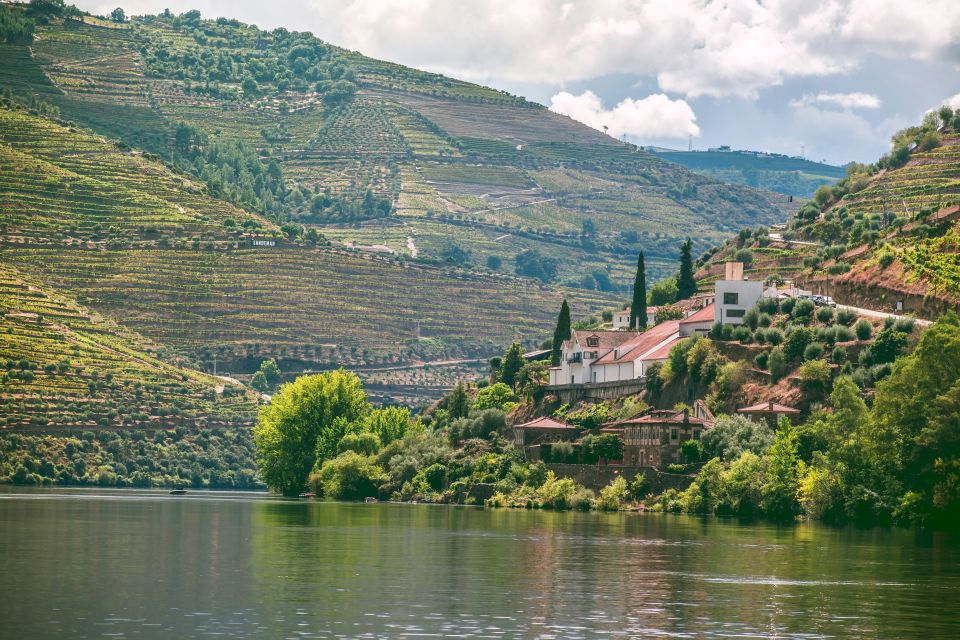
The Douro cruise season generally runs from spring through fall, with each month creating a noticeably different experience. Weather, vineyard colors, river conditions, and visitor numbers shift throughout the season. The best choice depends less on perfection and more on personal comfort.
Spring brings green hillsides, softer temperatures, and occasional rain. Summer offers dependable sunshine, but inland heat can make walking tours challenging. September adds harvest activity, while October paints the vineyards with deeper gold and red tones.
Consider your tolerance for heat, steep walking, and crowded attractions before choosing dates. Wine lovers may accept busier harvest weeks for closer contact with regional traditions. Travelers who value comfort might prefer milder months, even when sunshine becomes less predictable.
Spring and Early Summer Cruises
April through June often brings green vineyards, blooming landscapes, and comfortable sightseeing conditions. Rain remains possible, especially earlier in spring. Yet those passing showers help create the valley’s richest colors.
Milder temperatures can make cobblestones, stairways, and vineyard paths easier to manage. Couples sensitive to heat may enjoy longer excursions without feeling drained afterward. Fewer temperature extremes also leave more energy for evenings onboard.
Pack light layers because mornings and afternoons can feel surprisingly different. Bring rain protection, supportive walking shoes, and dependable sun protection. Portugal may deliver clouds and sunshine before lunch, apparently just to keep packing interesting.
Late Summer and Harvest Season
July and August often bring intense heat, especially during inland excursions away from the river. Stone streets and exposed vineyards can amplify afternoon temperatures. Travelers with mobility concerns should examine walking demands and departure times carefully.
September brings harvest activity across many Douro wine estates. Depending on timing, visits may include grape picking, production demonstrations, special tastings, or traditional foot treading. Wine enthusiasts often find that energy difficult to resist.
October changes the mood again. Vineyard terraces turn amber, copper, and red as cooler weather returns. Rain becomes more possible, while evenings may require another layer.
What most couples do wrong is choose dates from photographs alone. Your comfort level should guide the decision, especially when heat or uneven walking affects enjoyment. That same principle shapes why empty nesters often love Danube River cruises, although the seasonal experience feels quite different.
Who Is a Douro River Cruise Best For?
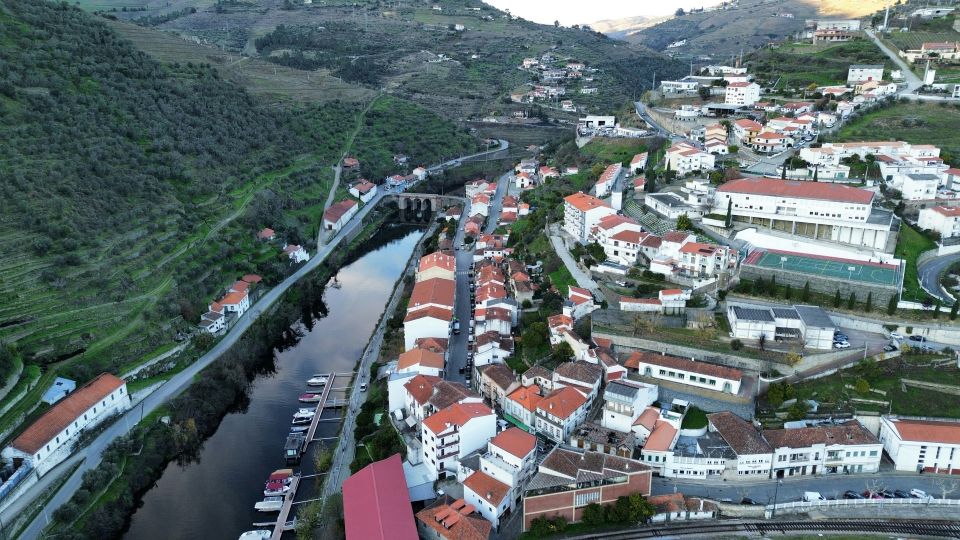
A Douro River cruise suits travelers who value scenery, wine culture, and thoughtful structure. Smaller ships create a quieter setting than most ocean vessels. The relaxed pace often appeals to couples who no longer measure vacations by activity counts.
However, the Douro will not satisfy every travel style. Nightlife, major cities, and extensive onboard entertainment remain limited. Travelers craving complete independence may also find scheduled touring restrictive.
Ask yourselves several honest questions before booking. Do you enjoy guided experiences, regional food, and peaceful evenings? Would fixed departure times feel reassuring or frustrating?
Travelers Who Will Likely Enjoy the Experience
Couples often appreciate unpacking once while exploring several destinations. Wine lovers gain direct access to vineyards, cellars, and regional traditions. History enthusiasts discover layered communities that rarely dominate standard European itineraries.
Photographers will find changing light, terraced slopes, and small riverside villages especially rewarding. Repeat European travelers often welcome scenery beyond familiar capitals. The landscape carries the experience here, and that difference matters.
Destination-focused itineraries also attract travelers who enjoy guided context. Local food, scenic sailing, and relaxed evenings create a mature rhythm. Nobody needs another packed vacation requiring recovery afterward.
A land-based preview can help uncertain travelers compare styles. This Douro Valley small-group tour with wine, lunch, and a boat ride combines several regional highlights. Its ten-hour schedule also reveals how full a single touring day can become.
Travelers Who May Prefer Another Trip
Ocean cruising may better suit travelers seeking casinos, production shows, nightlife, and numerous restaurants. Larger ships also offer broader entertainment and dining choices. The Douro keeps its attention firmly ashore.
Group touring can challenge fiercely independent travelers. Fixed meals, scheduled departures, and longer coach rides may feel restrictive. Wine-centered excursions could also become repetitive for anyone uninterested in wine.
Mobility deserves careful consideration. Cobblestones, steep streets, stairs, gangways, and uneven winery paths appear frequently. Some ships and historic sites may also offer limited elevator access.
The hidden truth is simple. A beautiful destination cannot rescue a poor match between itinerary and travel style. Choosing honestly now protects the experience you actually want.
Is a Douro River Cruise Your Next Great Escape?
A Douro River cruise blends scenic sailing, Portuguese wine culture, regional food, and guided discovery. You unpack once while the landscape changes daily. Few European journeys feel this relaxed without becoming repetitive.
Unlike city-heavy river cruises, the Douro favors vineyard terraces, quiet villages, and daylight navigation. Wine estates replace crowded capitals as the main attraction. That difference creates a slower journey with greater room to notice details.
Before booking, compare cruise lines, cabin layouts, fare inclusions, and excursion difficulty. Consider sailing dates and your tolerance for heat, stairs, and longer coach rides. Extra time in Porto can also transform a good itinerary into a richer vacation.
Ready to explore the right Douro cruise for you? Start planning your trip and let us handle the complicated details. You can focus on choosing which Portuguese wine deserves another taste.
Want more ideas before making a decision? Join our Facebook group, Luxury Travel by Eric: Empty Nester Couples Vacations, for practical guidance and travel inspiration. You may discover your next destination before finishing your morning coffee.
P.S. Want to learn more about the Douro and decide if it might be the right river cruise for you? I’ve put together several other articles that can help:
- Why Empty Nesters Love the Douro Valley’s Food and Wine
- Douro vs. Danube: Which River Cruise Offers the Better Experience?
- Why Empty Nesters Are Falling in Love With Portugal
Take a look at whichever one answers the question you’re thinking about next.