
Douro vs Danube river cruises may look similar on a map, but they create remarkably different vacations. One feels intimate, sun-warmed, and deeply rooted in wine country. The other unfolds through grand capitals, layered history, and constantly changing scenery.
Choosing between them takes more than recognizing a famous river name. You need to compare how each journey actually feels from morning through evening. That includes the pace, ports, excursions, meals, ships, and time spent simply watching Europe drift past.
The Douro offers vineyard-covered hills, Portuguese traditions, and a quieter regional focus. Meanwhile, the Danube connects celebrated cities, multiple countries, and a wider range of cultural experiences. Most couples choose based on reputation, yet the hidden truth lies in daily rhythm.
One river may match how you traveled twenty years ago. The other may better suit how you want to travel now. Routes, scenery, food, seasons, walking demands, and onboard style will reveal which experience truly fits.
The Biggest Differences Between Douro and Danube River Cruises
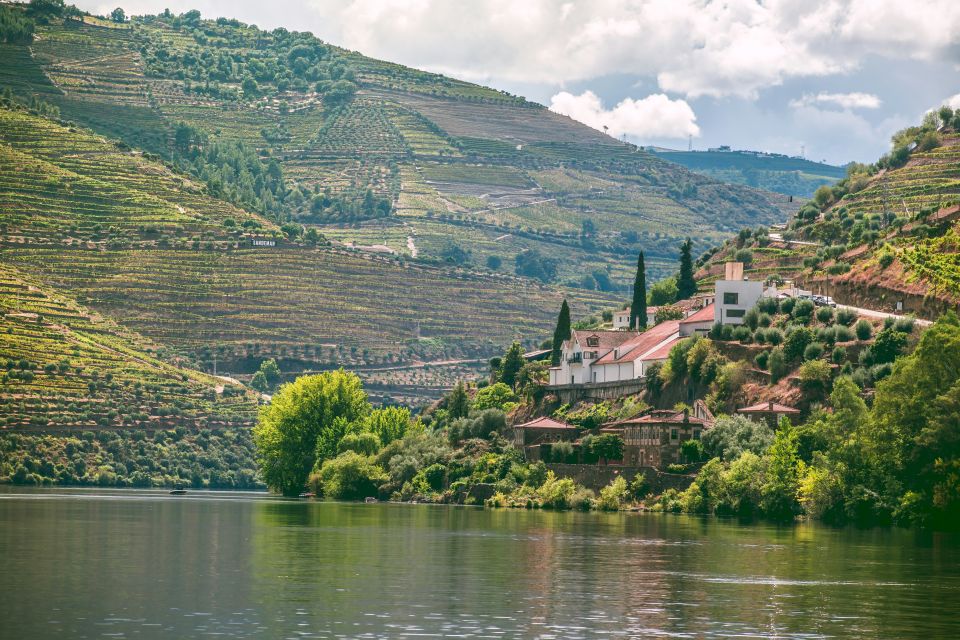
The Douro follows a concentrated path through northern Portugal and western Spain. Vineyards, villages, and centuries-old wine traditions shape nearly every day. Its smaller geographic reach creates intimacy rather than repetition.
The Danube offers something broader. It connects historic towns, celebrated capitals, and cultures stretching across Central and Eastern Europe. Similar river ships sail both waterways, yet geography creates two unmistakably different vacations.
A Focused Regional Journey Versus a Multi-Country Cruise
Most Douro itineraries begin near Porto before following steep vineyard country toward Spain. Stops often include riverside communities, historic estates, and an inland excursion to Salamanca. Each experience adds another layer to one closely connected region.
That focus gives the Douro unusual depth. You taste local wines where families have produced them for generations. Portuguese architecture, food, and rural traditions remain present throughout the journey.
Danube cruises change character more frequently. Routes may combine Germany, Austria, Slovakia, Hungary, Croatia, Serbia, Bulgaria, or Romania. The river’s upper, middle, and lower regions each reveal different landscapes and histories.
What most couples do wrong is confuse more countries with a better vacation. Variety feels exciting, but depth often creates stronger memories. Your preferred travel rhythm matters more than your final country count.
Quiet Landscapes Versus Famous European Capitals
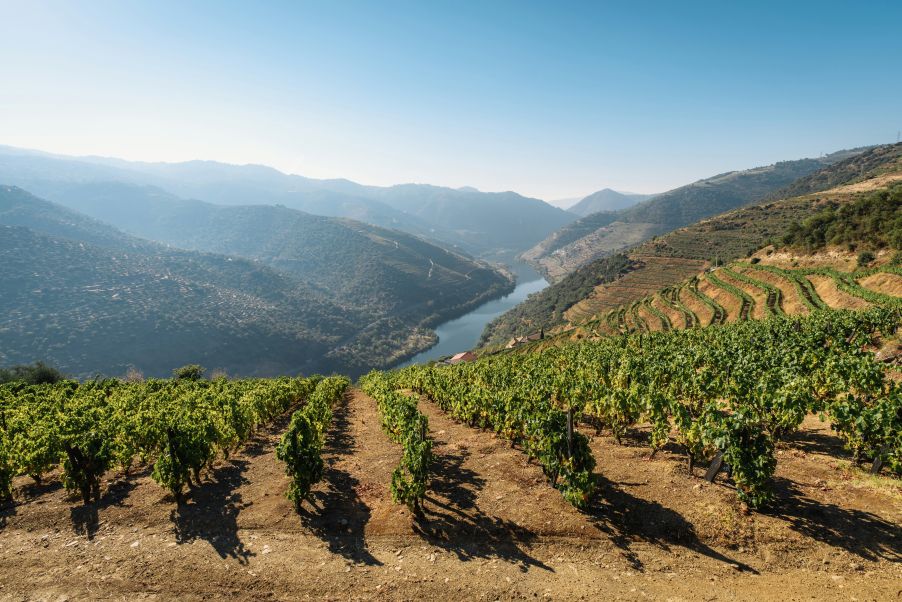
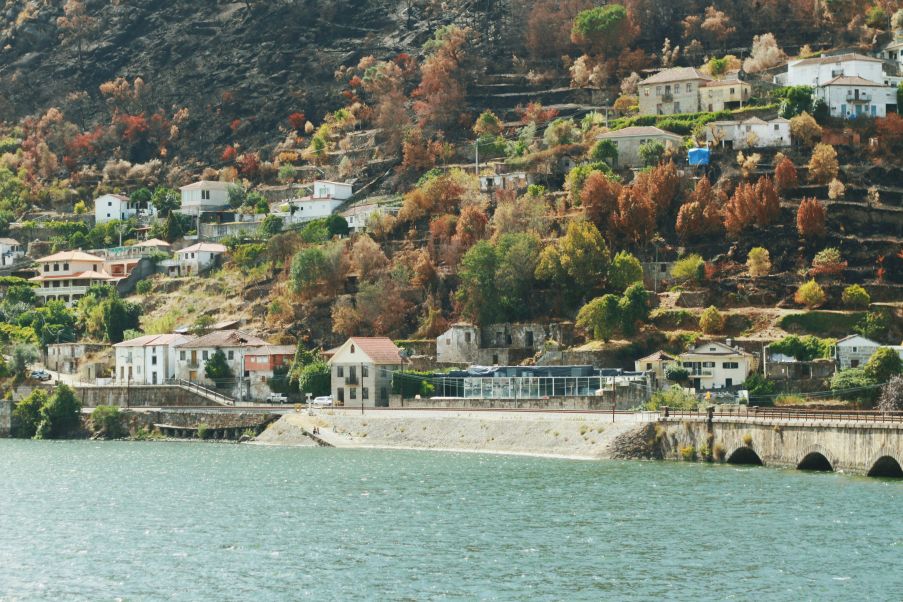
Along the Douro, terraced vineyards rise sharply above the water. Stone estates appear between olive groves, tiny villages, and enormous navigation locks. The scenery feels rural, textured, and deeply tied to the land.
The Danube creates greater visual contrast. Vienna brings imperial architecture, while Budapest delivers one of Europe’s most dramatic riverfronts. Bratislava, Passau, and the Wachau Valley add castles, church towers, and vineyard-covered slopes.
Here lies the hidden truth behind Douro vs Danube river cruises. You are choosing between regional atmosphere and destination variety. Neither choice feels small, but each satisfies a different kind of curiosity.
Couples drawn toward famous landmarks may prefer the Danube’s changing stage. Those craving quieter scenery may feel more connected to the Douro. For a deeper look, read Why Empty Nesters Fall in Love With Danube River Cruises.
The deciding difference often appears in the moments between ports. One river encourages you to study a region closely. The other keeps revealing how dramatically Europe can change before dinner.
Douro and Danube Cruise Routes and Destinations
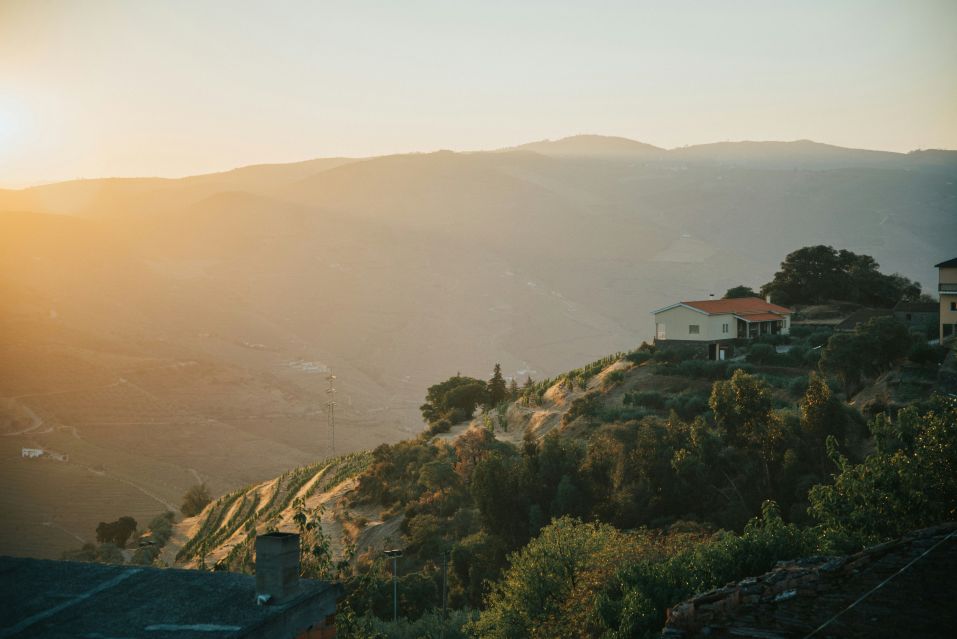
Douro and Danube cruise routes promise Europe without constant unpacking, yet their maps tell very different stories. Most Douro journeys begin near Porto and return there after seven nights. Danube cruises offer more route combinations, embarkation cities, and countries within the same vacation.
That difference matters more than many couples expect. One route encourages regional immersion, while the other rewards curiosity with frequent cultural shifts. Your pre-cruise and post-cruise plans can deepen either experience considerably.
What a Typical Douro River Cruise Includes
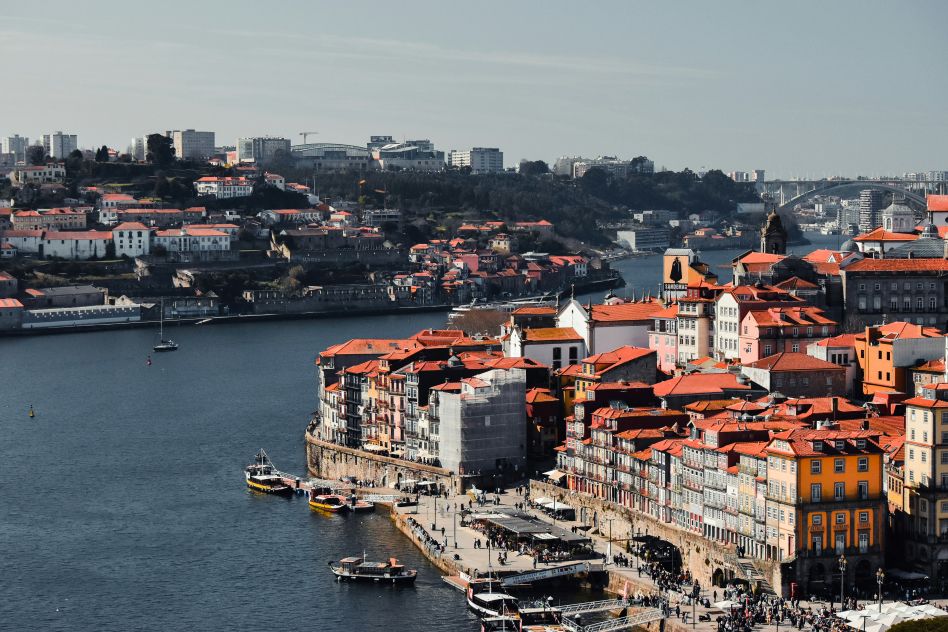
Porto or neighboring Vila Nova de Gaia usually provides the gateway to the Douro. Arriving early gives you time for tiled churches, riverfront walks, and unhurried Port tastings. Rushing straight aboard would miss one of Portugal’s most engaging cities.
From there, ships commonly visit Régua, Pinhão, Vega de Terrón, and Barca d’Alva. Excursions often reach Lamego, vineyards, historic estates, and Salamanca by coach. UNESCO recognizes the Alto Douro Wine Region for its centuries-old cultural landscape and winemaking traditions.
The route usually travels inland and returns through familiar stretches. Daylight sailing showcases vineyards, locks, and steep hillsides, while coaches reach attractions beyond the river. Repeated scenery sounds limiting, yet changing light often reveals details you missed earlier.
What a Typical Danube River Cruise Includes
A classic Upper Danube itinerary often connects Budapest, Bratislava, Vienna, the Wachau Valley, Melk, Linz, and Passau. Some departures begin or end in nearby Vilshofen. Seven nights can therefore include several countries and remarkably different cityscapes.
Lower Danube routes move toward Croatia, Serbia, Bulgaria, and Romania. These journeys may feature Belgrade, the Iron Gates, Bucharest, or the Danube Delta. The mood changes from imperial Europe toward landscapes and histories many travelers know less well.
Longer sailings may connect the Danube with the Main and Rhine. Land extensions can add Prague, Munich, Budapest, Vienna, or Transylvania before unpacking aboard. Most couples overlook this decision, although it can reshape the entire journey.
For a clearer route comparison, explore The Best Danube Cruise Route for First-Time Travelers. The guide helps separate famous ports from the itinerary that actually suits your pace. That distinction becomes even more important when the scenery takes center stage.
Scenery and Views Along Each River
Douro vs Danube river cruises reveal their personalities through the scenery beyond your balcony. The Douro stays intimate, rugged, and closely tied to wine country. Meanwhile, the Danube shifts between capitals, valleys, castles, and quiet villages.
Neither river guarantees perfect viewing every hour. Weather, water levels, lock schedules, and overnight sailing can hide anticipated landscapes. Choosing the right river means deciding whether you value visual consistency or constant change.
Douro Valley Vineyards, Hillsides, and Locks
The Douro narrows between steep hills carved into orderly vineyard terraces. Stone wine estates appear among olive groves, whitewashed villages, and sunbaked slopes. Little separates the river from the land shaping its identity.
Massive locks add unexpected drama. Carrapatelo and Valeira lift ships through imposing concrete chambers, turning navigation into an experience. Even seasoned travelers tend to step outside when the walls begin rising.
Seasons change the valley without changing its essential character. Spring brings vivid greenery, while summer sharpens every golden ridge. Harvest creates movement, then autumn covers the vineyards with copper and rust.
Before sailing, Porto offers another perspective through the Douro River Six Bridges Cruise. The short journey reveals Porto and Vila Nova de Gaia from the water. It also previews how dramatically the Douro frames everything beside it.
Danube Capitals, Castles, and the Wachau Valley
The Danube rarely holds one mood for long. Budapest’s glowing waterfront gives way to Vienna’s imperial architecture and Bratislava’s hilltop castle. Passau later appears where three rivers meet beneath colorful rooftops.
Between cities, the Wachau Valley softens the pace. Vineyards, church towers, castle ruins, and villages line the river between Melk and Krems. UNESCO recognizes this landscape for its preserved architecture, settlements, and centuries of wine cultivation. Explore the Wachau Cultural Landscape.
This variety makes the Danube visually unpredictable. You may finish breakfast beside a vineyard and approach a capital before dinner. That constant change keeps cameras busy and quiet conversations surprisingly brief.
Budapest often delivers the river’s most unforgettable reveal. Why Budapest Is the Ultimate Danube Cruise Highlight explores what makes that arrival so powerful. Yet one question remains: does variety matter more than atmosphere?
Culture, Food, Wine, and Shore Excursions
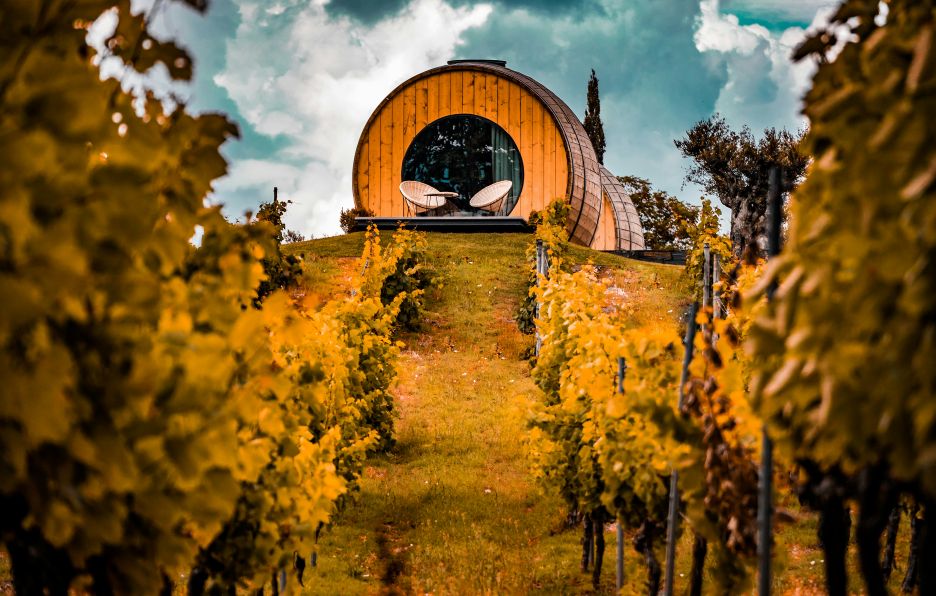
Culture often settles the Douro versus Danube cruise debate faster than scenery. The Douro stays rooted in Portuguese traditions, with one memorable Spanish detour. Meanwhile, the Danube changes languages, flavors, and historical perspectives whenever the ship crosses another border.
Both rivers offer guided walks, tastings, historic sites, and optional evening experiences. Yet their rhythms differ. The Douro explores one region deeply, while the Danube presents a broader cultural collection.
Douro Wine Estates and Portuguese Traditions
Douro excursions often lead through terraced vineyards toward family estates called quintas. Guests learn how producers create Port and Douro DOC wines from many shared grape varieties. Tastings may unfold beside aging barrels, followed by lunch overlooking sunlit hills.
Meals bring their own education. Bacalhau, roasted meats, regional cheeses, olive oil, and delicate pastries reveal Portugal beyond its famous fortified wine. Nothing encourages conversation quite like discovering your spouse secretly loves octopus.
Porto adds tiled churches, riverside neighborhoods, markets, and historic wine cellars. Lamego introduces religious architecture, while Pinhão feels closely connected to vineyard life. Salamanca expands the journey through Spanish plazas, university traditions, and richly carved stone.
A premium Douro Valley tour with wine, lunch, and a boat ride offers a fuller regional experience. It pairs small-group touring with vineyard visits and time on the river. That combination reveals why Douro culture feels inseparable from its landscape.
Danube Palaces, Music, Markets, and Regional Flavors
Danube excursions can move from Vienna’s palaces toward classical concerts after dinner. Budapest adds market halls, food tours, thermal baths, and dramatic nighttime views. Abbey visits and Wachau tastings bring quieter moments between those larger experiences.
Regional menus change constantly. Austrian pastries give way to Hungarian paprika, Slovak specialties, German sausages, and Balkan grilled dishes. Each new port can make yesterday’s lunch feel surprisingly distant.
Variety creates excitement, but it also creates choices. Most couples try to experience everything, then wonder why vacation feels like competitive sightseeing. Selecting fewer meaningful excursions often produces richer memories than collecting rushed photographs.
Cruise line style influences those choices considerably. AmaWaterways vs Viking: The Danube Cruise Choice Made Easy explains how their excursion programs and onboard experiences differ. The right match can determine whether cultural variety feels exhilarating or exhausting.
Ships, Cabins, Cruise Lines, and Onboard Experience
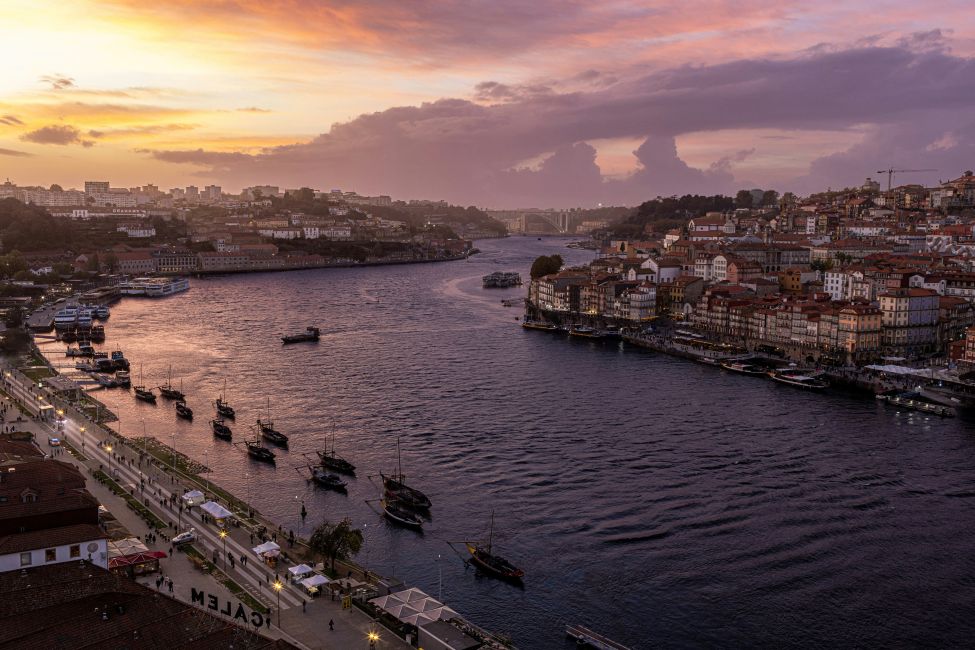
Both rivers use intimate ships designed for narrow waterways, low bridges, and complex locks. Yet those physical limits shape each onboard experience differently. The ship choice can influence your comfort as much as the itinerary.
Cabin size, balcony design, dining, inclusions, and passenger mix deserve careful comparison. Entertainment usually favors conversation, local performers, and quiet evenings over elaborate productions. That sounds peaceful, unless you secretly expect Broadway after dessert.
What to Expect Aboard a Douro River Ship
Douro ships generally carry fewer passengers and offer compact cabins, lounges, and sun decks. Their smaller proportions suit the river’s narrow bends, locks, and steep-sided landscape. Public spaces often feel social because everyone naturally gathers in the same areas.
Panoramic lounges place vineyards and villages directly beyond the windows. Many vessels add outdoor seating, small pools, Portuguese menus, regional wines, and locally inspired programming. The Douro Valley’s terraced landscape becomes part of daily life aboard.
Daytime navigation often creates a more structured schedule. Ships commonly dock overnight, while scenic sailing and lock passages fill daylight hours. You may spend more time watching the river than browsing onboard amenities.
That is hardly a hardship.
What to Expect Aboard a Danube River Ship
Danube ships offer far greater variety in cabin layouts, amenities, and service styles. Choices include French balconies, outdoor balconies, twin balconies, and spacious suites. Some ships also feature bicycles, wellness areas, specialty dining, and larger fitness rooms.
AmaWaterways, Viking, Avalon, Uniworld, Scenic, Tauck, and Riverside all sail portions of the Danube. Each attracts a different passenger mix and balances luxury, activity, structure, and independence differently. More choice sounds helpful until every brochure begins looking equally convincing.
What most couples do wrong is compare cabins before comparing cruise styles. A beautiful suite cannot fix rushed excursions or mismatched evening expectations. The Best Danube Cruise Lines for First-Time River Cruisers explains the differences worth examining first.
The hidden truth feels surprisingly personal. Your ideal ship depends on how you spend the hours between ports. That answer may narrow the Douro versus Danube decision considerably.
Pace, Walking Demands, and Overall Travel Style
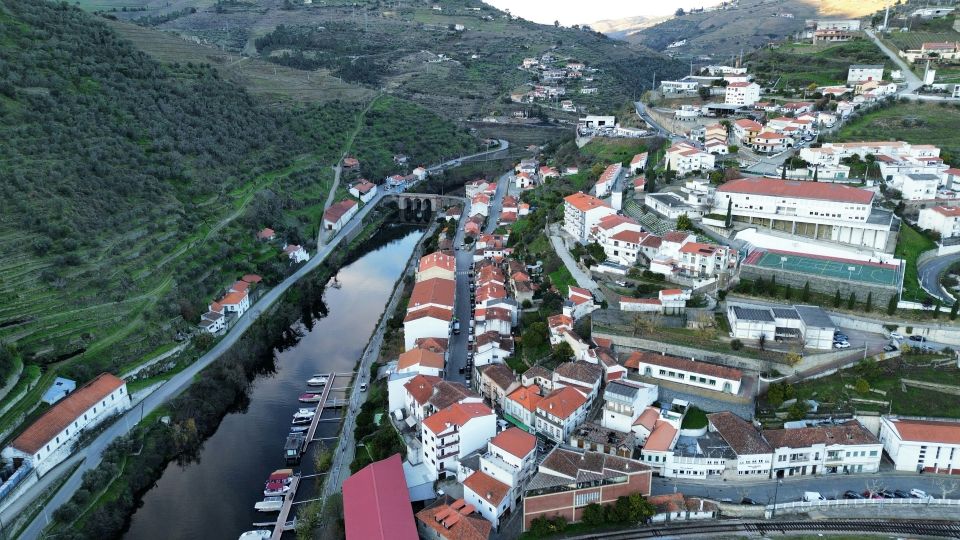
The Douro versus Danube cruise decision often comes down to pace rather than ports. The Douro usually feels calmer and more regionally focused. Meanwhile, the Danube offers fuller days, greater choice, and more temptation to overbook yourself.
Neither river provides a completely effortless vacation. Hills, cobblestones, stairs, gangways, and long walking tours appear on both. The better choice depends on your mobility, energy, and willingness to skip something worthwhile.
The Douro’s Slower Pace and Challenging Terrain
Longer scenic sailing periods give Douro cruises a quieter daily rhythm. Fewer major cities reduce the pressure to race between famous landmarks. You can watch vineyards pass without feeling guilty about sitting down.
However, peaceful does not always mean easy. Porto climbs sharply from the river, while Lamego includes hills, stairs, and uneven stone surfaces. Vineyard visits may involve steep paths that look charming until your knees submit an official complaint.
Coach rides also connect ships with inland attractions, including Salamanca and remote wine estates. These journeys can add sitting time and longer touring days. Excursion descriptions deserve careful attention, especially when terms like “moderate” remain suspiciously flexible.
The hidden truth is simple. A relaxed itinerary can still challenge mobility. Couples should compare walking distances, elevation, surfaces, and available gentle alternatives before choosing excursions.
The Danube’s Greater Choice and Busier Days
Danube cruises can fill each day with walking tours, palace visits, concerts, cycling routes, and evening outings. Budapest and Vienna alone offer enough choices to exhaust even enthusiastic travelers. More options create freedom, but they also create pressure.
Physical demands vary widely. Cobblestones, castle hills, sprawling palace complexes, shifting gangways, and ships rafted together can complicate movement. Lower Danube excursions may also involve longer coach rides and extended days away.
What most couples do wrong is schedule every included experience because they already paid for it. That logic sounds reasonable until exhaustion replaces curiosity. Skipping one tour may protect the pleasure of everything that follows.
Gentle walking groups, panoramic tours, and independent time can preserve your energy. Active couples may prefer cycling or hiking while their partners choose something slower. Why Active Empty Nesters Love AmaWaterways explores how flexible excursions can keep both travelers happy.
Your best river may depend on what happens after the walking ends. Some couples want another concert. Others want a quiet drink, comfortable shoes, and absolutely no further discussion of stairs.
Best Seasons, Weather, and River Conditions
Timing can change the entire Douro versus Danube cruise experience. Temperature, daylight, crowds, and river conditions shape every excursion. A beautiful itinerary can feel very different during fierce heat or persistent rain.
No month guarantees perfect weather or flawless navigation. High water, low water, fog, and lock issues can alter sailing schedules. Cruise lines may adjust ports, excursions, or transportation when conditions demand flexibility.
When to Cruise the Douro
Spring brings green vineyards, wildflowers, comfortable walking weather, and softer light across the valley. Summer delivers long days and brilliant sunshine. However, exposed hillsides can feel punishing during July and August.
Porto includes steep streets, while Salamanca offers broad plazas with limited shade. Vineyard tours may involve warm coaches, stone terraces, and lengthy outdoor tastings. Lovely wine helps, but it cannot negotiate with the afternoon sun.
Harvest season brings energy to the valley. Workers gather grapes, estates become busier, and the landscape begins changing color. Autumn then deepens those greens into gold, copper, and rust.
Late April through June often balances comfortable temperatures with vivid scenery. September and October can offer harvest activity and gentler sightseeing conditions. These periods suit couples who value comfort without sacrificing atmosphere.
When to Cruise the Danube
Spring brings blossoms, fresh greenery, and fewer peak-season crowds. Summer adds festivals, outdoor dining, and long sightseeing days. Popular cities can also feel crowded, particularly during school holidays.
Autumn softens the light across vineyards and historic towns. November and December replace warm evenings with Christmas markets, mulled wine, and glowing city squares. Short daylight and colder temperatures create a completely different journey.
The hidden truth involves the river itself. High water can restrict bridge clearance, while low water may prevent safe navigation. Danube cruises can face schedule changes when conditions become difficult.
Review each cruise line’s contingency procedures before booking. Ask how it handles ship swaps, hotel stays, coach transportation, and missed ports. That answer matters more than any cheerful brochure photograph.
For reliable forecasting information, consult the European Centre for Medium-Range Weather Forecasts. It provides weather and climate data across Europe. Still, forecasts become most useful closer to departure.
Costs, Inclusions, and Overall Value
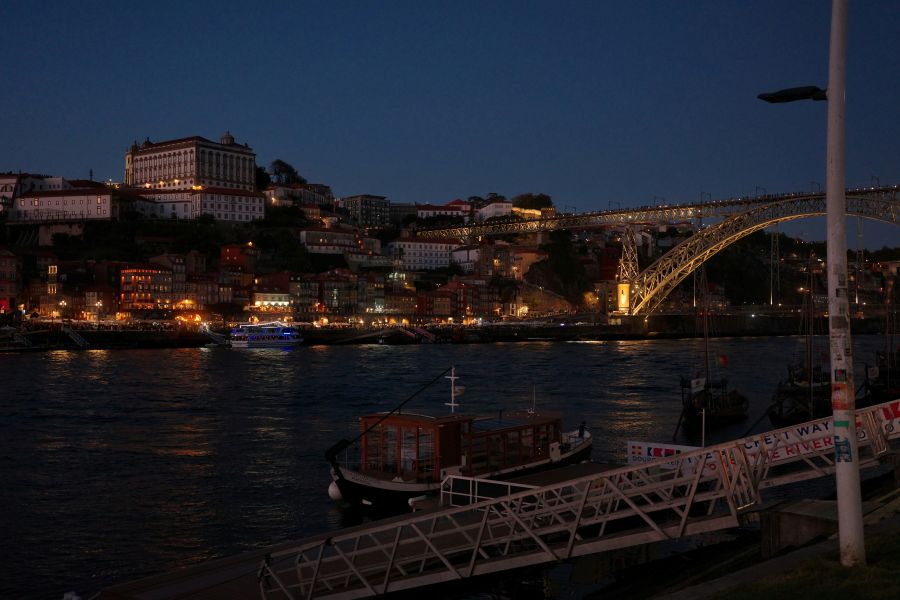
Comparing Douro versus Danube cruise fares requires more than placing two brochure prices beside each other. Cabin categories, excursions, drinks, gratuities, and transfers can change the real cost quickly. Land extensions and airfare widen that difference further.
The Danube offers more cruise lines, ships, departure dates, and pricing levels. Douro choices remain narrower because fewer vessels sail a shorter season. Greater selection can create better flexibility, but it also complicates comparison.
What most couples do wrong is focus on the starting fare. A lower number feels reassuring until optional costs begin appearing. True value depends on what you would willingly purchase anyway.
What Influences the Price of a Douro Cruise
Fewer ships and cabins make popular Douro departures more sensitive to demand. Harvest-season sailings often attract travelers seeking vineyard activity and autumn color. Preferred balconies and larger suites may disappear surprisingly early.
Inclusions vary by cruise line. Some fares cover wine tastings, meals, excursions, drinks, transfers, and gratuities. Others leave several of those expenses outside the package.
Porto also deserves more than a rushed arrival. Extra hotel nights, private transfers, and independent vineyard visits increase the total vacation cost. Additional time elsewhere in Portugal can transform the trip, though your budget will notice.
The hidden truth is that those additions may deliver the greatest value. A carefully planned stay can deepen the journey beyond the river. Cheaply reaching the ship should never become the main goal.
What Influences the Price of a Danube Cruise
Danube sailings range from value-focused options to highly inclusive luxury experiences. Similar routes can carry dramatically different prices. Service, cabin design, dining, excursions, and passenger numbers often explain the gap.
Optional concerts, premium beverages, gratuities, airport transfers, bicycles, and specialty dining affect the final total. Land packages can add hotels, guides, meals, and transportation. Each inclusion deserves a realistic dollar value based on your preferences.
A lower fare may cost more after upgrades and optional experiences. Meanwhile, a higher fare may already cover expenses you planned to purchase. The cheapest cruise and the best value rarely mean the same thing.
Your priorities should guide the comparison. Some couples value spacious cabins and private transfers. Others would gladly trade square footage for stronger excursions and another week in Europe.
Should You Choose a Douro or Danube River Cruise?
The Douro versus Danube decision has no universal winner. Each river rewards a different travel personality, pace, and set of priorities. Your best choice depends on what you want to feel each day.
Some couples crave famous capitals, varied excursions, and constant cultural change. Others prefer vineyard scenery, quieter communities, and deeper regional immersion. Neither approach shows greater sophistication, despite what glossy brochures may suggest.
Think about your favorite past trips. Did you remember the famous landmarks, or the slower moments between them? That answer may reveal which river should come first.
Choose the Douro When These Experiences Matter Most
Choose the Douro when vineyards, Portuguese culture, regional wines, and smaller communities shape your ideal journey. Its focused geography allows the landscape and traditions to develop gradually. You experience one region deeply instead of sampling many countries quickly.
This river often suits couples who have already visited Europe’s major capitals. It also works beautifully within a longer Portugal vacation. Porto, Lisbon, and nearby regions can add rewarding days before or after sailing.
However, relaxed does not mean physically effortless. Porto has steep streets, vineyard estates may include stairs, and inland excursions often require coaches. Warm-weather walking can also test your energy.
The hidden truth is that Douro travelers often value atmosphere over checklists. They want time to notice the wine, light, conversation, and changing hills. That preference says more than any port count.
Choose the Danube When These Experiences Matter Most
Choose the Danube when famous cities, multiple countries, and varied excursions feel essential. First-time river cruisers often appreciate its recognizable landmarks and broad cultural range. Vienna, Budapest, and smaller towns create immediate contrast.
The Danube also suits couples with different interests. One partner can choose cycling, while another selects history, food, music, or gentle sightseeing. That flexibility can prevent the familiar vacation debate before breakfast.
Yet abundance creates its own problem. Too many ports and optional experiences can make each day feel crowded. Most couples do wrong by treating every included excursion as mandatory.
Protecting free time changes the entire experience. Skip duplicate tours, choose meaningful activities, and leave room for unplanned discoveries. You may eventually cruise both rivers, but the first should match how you want to travel now.
Two Rivers, Two Remarkable Journeys, One Right Choice for You
Douro vs Danube river cruises offer two very different versions of Europe. The Douro draws you into Portuguese culture, vineyard scenery, regional wines, and quiet communities. Its focused route rewards couples who value depth, atmosphere, and unhurried discovery.
The Danube delivers a broader experience. Major capitals, changing countries, historic towns, and varied landscapes create constant contrast. Its wider excursion choices suit couples who enjoy culture, music, food, history, and recognizable European landmarks.
Neither river wins every comparison.
Your ideal choice depends on how you want each day to feel. Consider your preferred pace, walking comfort, cultural interests, and appetite for planned activities. The hidden truth is that the better river often reflects who you are now.
Perhaps you once enjoyed racing between famous sights. Today, a vineyard lunch and quiet balcony may feel far more rewarding. Or perhaps you still crave grand cities, evening concerts, and another fascinating story around every bend.
Both rivers deserve a place on your travel list. You simply need to decide which one belongs there first. That choice becomes easier when the journey reflects your priorities rather than someone else’s checklist.
Ready to find the river cruise that fits you? Click Start Planning and share what you want from your next European journey. We will help you compare the right routes, ships, cabins, and experiences.
Still gathering ideas? Join our private Facebook group for practical travel conversations with fellow empty nesters. Your next journey may begin with one useful question.
P.S. Want to learn more about the Douro and decide if it might be the right river cruise for you? I’ve put together several other articles that can help:
- Why Empty Nesters Love the Douro Valley’s Food and Wine
- Why Empty Nesters Are Falling in Love With Portugal
- What Is a Douro River Cruise?
Take a look at whichever one answers the question you’re thinking about next.