
Portugal for empty nesters feels wonderfully easy, offering rich experiences without the pace or pressure of a complicated European vacation. Historic cities, golden coastlines, memorable food, and celebrated wines all fit within one manageable country. You can experience more while spending far less time recovering from the experience.
That balance matters after years of planning trips around children, school schedules, and everyone else’s preferences. Now, you can linger over lunch because nobody needs entertainment every seven minutes. You can choose a beautiful hotel, unpack properly, and let the destination reveal itself slowly.
Portugal rewards that approach.
Lisbon brings tiled streets, river views, neighborhood restaurants, and history around nearly every corner. Porto feels smaller, moodier, and wonderfully suited to long dinners beside the Douro. Beyond both cities, vineyards curve across hillsides while quiet villages preserve traditions that still shape daily life.
Then the scenery changes again.
The Douro Valley invites you to trade sightseeing lists for vineyard terraces and unhurried wine tastings. Farther south, the Algarve delivers dramatic cliffs, peaceful resorts, fresh seafood, and afternoons without obligations. Smaller communities add another layer, offering local markets, family-run restaurants, and conversations that rarely happen during rushed tours.
Most couples make one mistake when planning Portugal. They try to see everything because the country looks compact on a map. Portugal may appear manageable, but its greatest pleasures need time, attention, and room to breathe.
The best Portugal vacation for couples balances discovery with comfort. Lisbon, Porto, the Douro Valley, and the Algarve each offer something distinct. Together, they create a journey that feels complete without leaving you needing another vacation afterward.
Portugal Matches the Way Many Empty Nesters Want to Travel
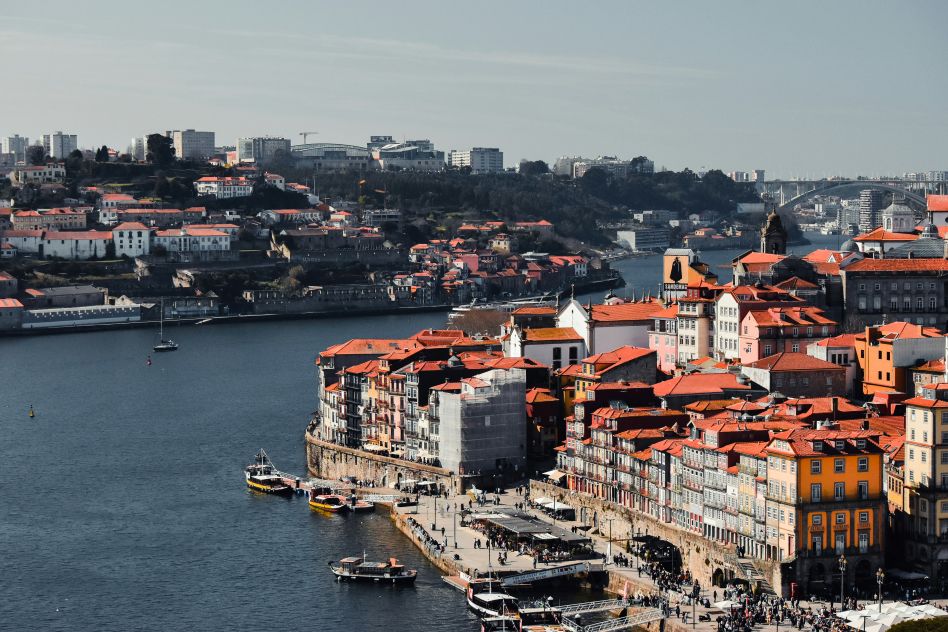
Portugal invites you to slow down without asking you to surrender variety. Mornings can begin late, meals can stretch comfortably, and afternoons need no excuse. Somehow, the trip still feels full.
That rhythm separates Portugal from many larger European itineraries. Frequent flights, long transfers, and constant packing can quickly turn discovery into work. Portugal keeps history, food, wine, and coastline within easier reach.
The hidden truth is that empty nesters rarely need more activities. They need better experiences, chosen with care and enjoyed without watching the clock. Portugal for empty nesters makes that balance feel surprisingly natural.
For more help with why doing less and staying longer can make empty-nest travel more satisfying, read Why Empty Nesters Don’t Need to See Everything Anymore.
A Slower Pace Without Sacrificing Experiences
A slower itinerary does not mean skipping Portugal’s essential sights. It means choosing one meaningful experience instead of chasing six forgettable stops. You remember the tiled courtyard, not the frantic taxi ride afterward.
Consider a morning walk through Alfama, followed by lunch overlooking Lisbon’s red rooftops. Another day might center around the Douro River, with nowhere urgent waiting afterward. An open evening then becomes an invitation, not an empty space.
This approach feels very different from racing through three countries in ten days. Lisbon, Porto, and the Algarve each deserve more than hurried introductions. Give them time, and smaller moments begin competing with famous landmarks.
Most couples plan around what they fear missing. Experienced travelers eventually plan around what they want to remember. That distinction changes everything, especially when nobody needs another sunrise airport transfer.
More Freedom to Travel Around Personal Priorities
Empty nesters can often travel when weather, crowds, and airfare make better sense. School holidays no longer control every departure date. That freedom opens Portugal during quieter, more comfortable seasons.
Portugal also suits trips carrying personal meaning. Anniversaries, milestone birthdays, and retirement celebrations gain depth when the schedule leaves room for reflection. Even your first major trip without children may feel unexpectedly significant.
Independence does not require handling every detail alone. Private guides can add context, while reserved transportation removes friction between cities. Carefully chosen day trips offer structure without controlling the entire journey.
The key lies in deciding where support improves the experience. Explore independently when curiosity leads, then use expert help where logistics distract. That thoughtful balance defines why empty nest travel feels different.
Portugal rewards couples who stop measuring a trip by completed attractions. The official Visit Portugal website offers regional ideas for shaping that slower journey. Yet the best choices begin with how you actually want each day to feel.
Lisbon Combines Culture, Comfort, and Easy Day Trips
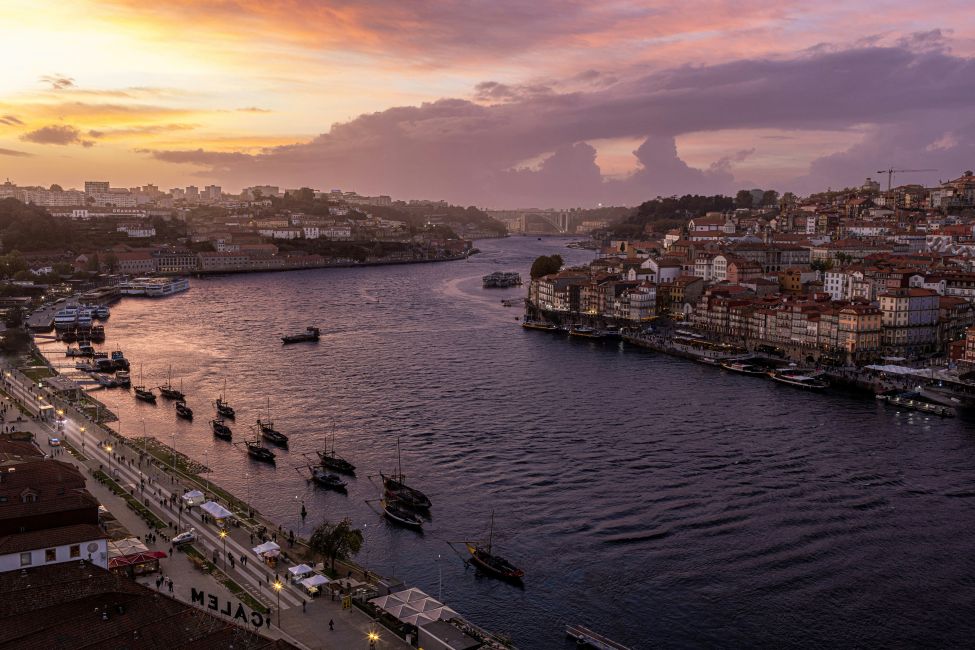
Lisbon gives empty nesters history, atmosphere, and comfort without demanding constant motion. Tiled streets descend toward the Tagus, while cafés and museums reward lingering. After sunset, Fado carries through intimate rooms with startling emotional force.
Your neighborhood choice shapes the entire stay. Baixa offers convenience, while Chiado blends elegant shopping, dining, and evening energy. Príncipe Real feels calmer, and Alfama delivers atmosphere alongside steep streets.
Lisbon also makes an excellent base for broader exploration. Sintra brings palaces, while Cascais offers an easy coastal escape. Belém, Arrábida, and nearby wine regions add variety without another hotel change.
Exploring Lisbon Without Turning It Into a Checklist
Most couples make Lisbon harder by crossing the city repeatedly. Instead, explore one area deeply before moving elsewhere. Your feet, patience, and dinner conversation will all benefit.
Spend one morning walking through Alfama with a knowledgeable guide. Follow it with a long lunch, then retreat to your hotel. Later, an intimate Fado performance adds meaning without creating another marathon.
Lisbon’s hills deserve respect, regardless of your fitness level. Cobblestones become slippery, trams fill quickly, and elevators sometimes attract impressive lines. Taxis and private drivers protect your energy for experiences that matter more.
The smartest Portugal vacation for couples includes both movement and recovery. You can explore deeply without proving anything to your step counter. Lisbon becomes more rewarding once you stop treating rest as wasted time.
Food and Culture Create Meaningful Shared Experiences
Lisbon’s food tells stories that monuments cannot. Bacalhau reflects tradition, while grilled sardines capture summer evenings near the river. Petiscos invite sharing, which often leads to ordering far too much.
Regional cheeses, Portuguese wines, and warm pastéis de nata reveal another side of the city. A guided Portuguese food and wine tour adds neighborhood history and dining context. You learn what to order, where locals gather, and why certain flavors matter.
Large excursions cover more ground, yet smaller experiences often create stronger memories. Consider tile painting, market visits, private tastings, or neighborhood food walks. These encounters leave room for conversation, questions, and unexpected discoveries.
That difference matters. Lisbon’s most meaningful cultural experiences rarely begin with a crowded bus. They usually start when you slow down enough to notice what surrounds you.
Porto and the Douro Valley Offer History, Scenery, and Wine
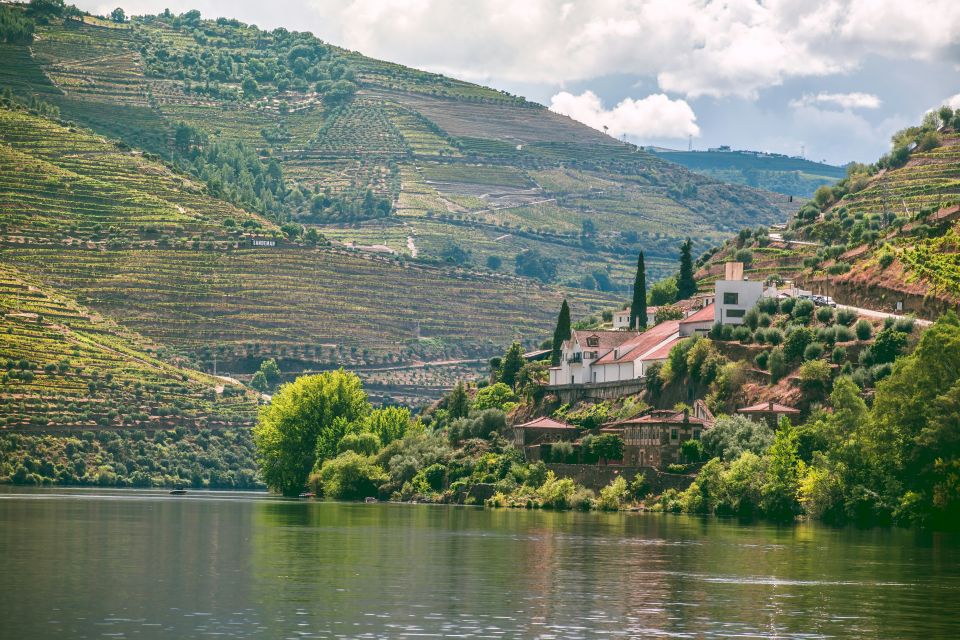
Porto feels intimate without feeling limited. Tiled buildings climb above the Douro, while iron bridges connect lively riverfront neighborhoods. Across the water, historic wine lodges keep centuries of tradition close.
The city pairs naturally with the Douro Valley. Porto provides restaurants, architecture, and cultural energy. The valley answers with vineyard terraces, quiet roads, and lunches that refuse to hurry.
A day trip offers a satisfying introduction. However, an overnight stay reveals what hurried visitors miss. Once the tour groups leave, the countryside settles into an entirely different rhythm.
Why Porto Appeals to Couples Who Prefer Smaller Cities
Porto suits couples who enjoy character without the scale of a major capital. Its historic center feels more compact than Lisbon. Yet steep streets still make sensible planning essential.
Ribeira places you beside colorful buildings, river cruises, and animated restaurant terraces. Nearby Vila Nova de Gaia offers wine lodges and striking views across the water. São Bento Station adds blue-tiled storytelling to an otherwise ordinary train stop.
Clérigos rewards curious visitors with one of Porto’s most recognizable landmarks. Local markets reveal northern Portuguese cheeses, cured meats, pastries, and everyday habits. Together, these places create texture beyond another list of photographed monuments.
Location matters here. A central hotel reduces difficult climbs, unnecessary taxis, and repeated bridge crossings. Nobody wins a prize for arriving at dinner exhausted.
Experiencing the Douro Valley at the Right Pace
The Douro Valley changes depending on how you enter it. Trains follow the river, while private vehicles reach remote estates and viewpoints. Cruises move slowly, though they limit access beyond the water.
A small-group Douro Valley tour combines transportation, two wineries, lunch, and a river cruise. That structure works well for couples wanting one carefully arranged day. You can enjoy the wine without debating who must drive afterward.
Still, a full-day excursion only offers a first taste. Two nights allow quieter vineyard visits, regional lunches, spa time, and evenings overlooking terraced hillsides. Pinhão also feels different after the departing buses disappear.
This is the hidden truth about the Douro. The scenery impresses quickly, but the valley reveals itself slowly. Our Douro Valley wine tour guide explores the choices that often separate a pleasant visit from an unforgettable stay.
The Algarve Adds Coastal Relaxation Without Losing Portuguese Character
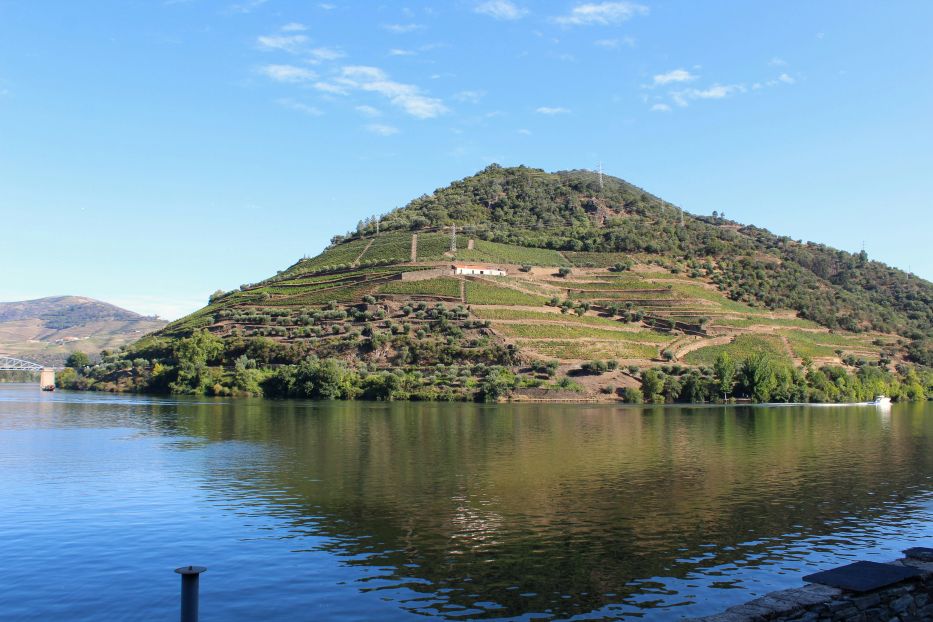
The Algarve gives a Portugal vacation for couples a softer final chapter after Lisbon, Porto, or the Douro Valley. Golden cliffs replace city streets, while seafood lunches stretch toward late afternoon. You still feel connected to Portugal, only with fewer alarms.
Each town creates a different experience. Lagos blends dramatic scenery with historic character, while Tavira feels quieter and more traditional. Vilamoura offers polished resorts, golf, and marina dining, while Albufeira brings broader choices and livelier evenings.
Carvoeiro sits somewhere between those extremes. Its compact center, coastal paths, and nearby caves suit couples wanting scenery without constant resort bustle. The right choice depends less on rankings and more on how you want mornings to feel.
Choosing the Right Algarve Base
Most couples begin with the beach, then overlook everything surrounding it. Beachfront access matters, but so do walkability, dining, resort services, and excursion departure points. A beautiful room loses some charm after repeated forty-minute transfers.
Lagos suits travelers who want cliffs, boat access, restaurants, and an old town with personality. Tavira rewards couples who prefer slower evenings, traditional streets, and access to the Ria Formosa. Neither feels interchangeable, which makes the decision more interesting.
Vilamoura works well when golf, spas, marina dining, and dependable service lead the wish list. Albufeira offers more hotels and nightlife, though some areas feel considerably busier. Choose the neighborhood carefully, because atmosphere can change within several blocks.
Enjoying the Coast Without Overloading the Schedule
The Algarve tempts travelers to book every cave, beach, village, and vineyard. That usually produces more sunscreen logistics than relaxation. One well-chosen experience often creates a better day.
Consider a late breakfast before a short coastal outing. Follow it with grilled fish, chilled wine, and absolutely nowhere urgent afterward. An open evening leaves room for a village stroll or an early night.
Boat size, sea conditions, mobility, and departure location all deserve attention. A smaller vessel may feel intimate, yet boarding can prove less comfortable. This Vilamoura sunset yacht cruise offers a calmer alternative to crowded daytime excursions.
The coast becomes more memorable when scenery shares space with culture. Inland markets, wine estates, and traditional villages reveal another Algarve entirely. Our guide to Portugal’s local cultural experiences explores what beach-focused itineraries often miss.
Portugal Offers Comfort and Variety for Different Travel Styles
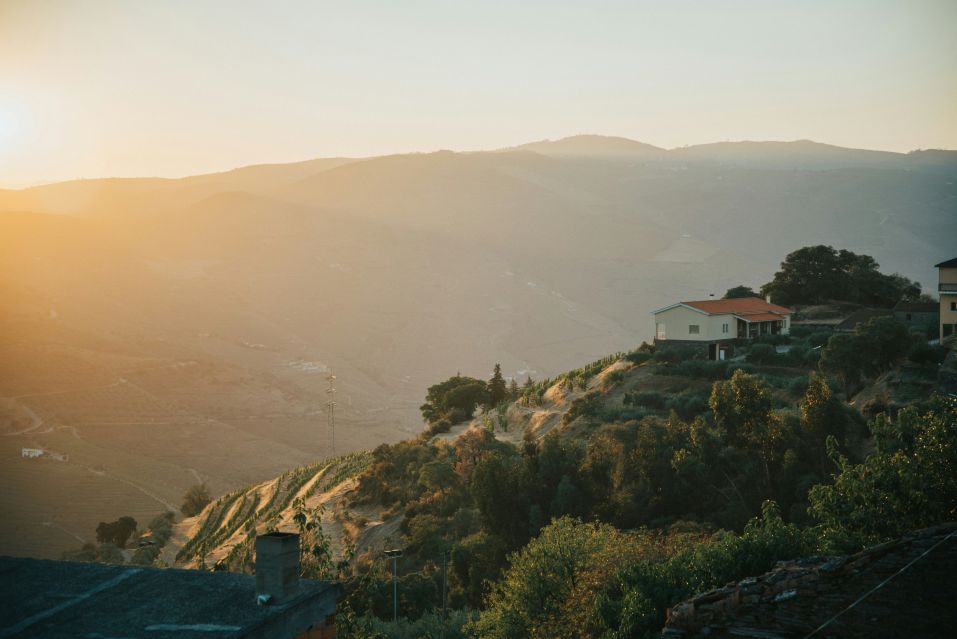
Portugal welcomes active explorers, history lovers, beach seekers, and couples who prefer sightseeing without daily endurance tests. Food and wine enthusiasts can build entire days around markets, vineyards, and long regional lunches. Few destinations accommodate such different travel styles so naturally.
That flexibility does not remove every practical challenge. Lisbon and Porto have steep hills, polished cobblestones, and summer heat that can quietly drain your energy. Hotel location and transportation choices often matter more than an impressive room photograph.
Portugal for empty nesters can take many forms. Independent trips offer freedom, while private itineraries remove logistical friction. Escorted tours, river cruises, and custom combinations provide structure at different levels.
The hidden truth concerns fit. The most expensive option does not always create the most comfortable experience. Your ideal approach depends on how much planning, movement, and decision-making you actually enjoy.
Planning Around Energy and Mobility
Lisbon’s hills, Porto’s stairways, and Sintra’s sprawling attractions can surprise otherwise active travelers. Uneven surfaces also demand attention, especially after rain. The Douro Valley adds winding roads, vineyard steps, and sometimes awkward boat access.
Fortunately, thoughtful planning removes much of that strain. Centrally located hotels reduce repeated climbs, while private transfers simplify arrival days. Taxis and timed tickets preserve energy without diminishing the experience.
Most couples make one predictable mistake. They schedule demanding attractions on consecutive days because the route appears efficient. Their itinerary saves distance, yet their bodies receive no vote.
A better plan alternates active mornings with gentler afternoons. Explore Alfama with a guide, then enjoy lunch and hotel downtime. Visit Sintra privately, rather than navigating several crowded connections and uphill walks.
Comfort should shape the trip before discomfort forces changes. The official Portugal Travel Advisory provides current entry, safety, and destination guidance for American travelers. Practical preparation leaves more attention for Portugal itself.
Choosing Accommodations That Improve the Trip
Portugal offers historic boutique hotels, contemporary luxury properties, vineyard estates, coastal resorts, and spacious apartment-style stays. Each option creates a different daily rhythm. None automatically suits every couple.
Boutique hotels often provide character and personal service, though historic buildings may have small elevators or complicated layouts. Modern properties usually offer stronger climate control and soundproofing. Vineyard estates exchange city convenience for scenery, stillness, and longer transfers.
Confirm the details before booking. Ask about elevators, air conditioning, accessible showers, breakfast service, street noise, and vehicle access. “Centrally located” sometimes means centrally located halfway up a medieval hill.
The wrong hotel can quietly control your vacation. A distant property adds taxi costs, wasted time, and another decision before every meal. Poor soundproofing can make tomorrow’s private tour feel considerably less luxurious.
This is where the hidden luxury travel mistake couples make becomes especially relevant. A beautiful property cannot rescue a trip that ignores pace, energy, and daily logistics. The right accommodation should support your experience, not become another obstacle within it.
A Well-Planned Portugal Itinerary Balances Cities, Countryside, and Coast
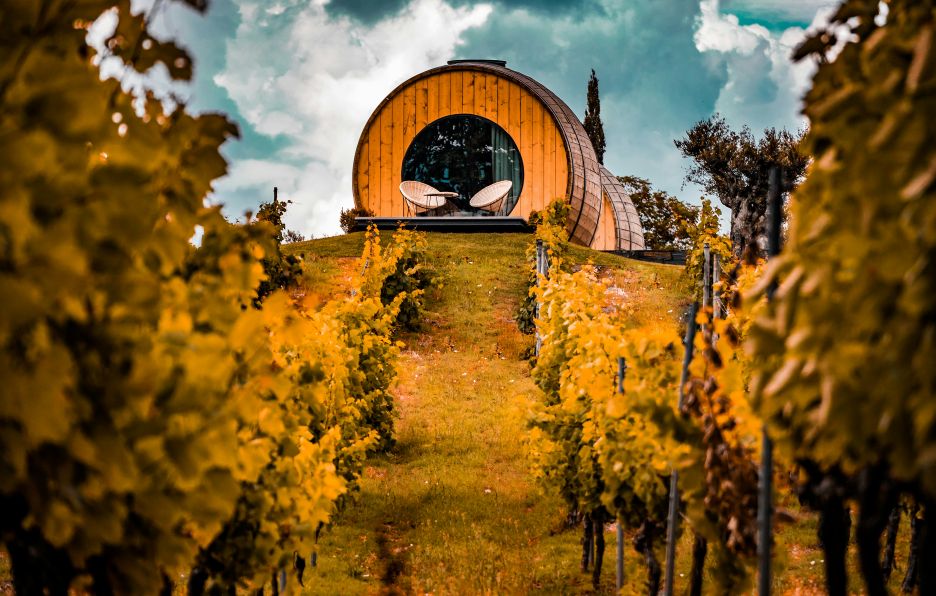
Portugal may look compact, but its most rewarding places deserve more than hurried introductions. Lisbon and Porto each need at least three nights. The Douro Valley and Algarve become richer with two or three nights.
Seven nights can cover Lisbon and Porto comfortably. Ten nights allow space for the Douro Valley or Algarve. Fourteen nights create room for both, plus quieter countryside experiences.
Spring and early autumn often bring comfortable sightseeing weather and inviting outdoor dining. September can pair warm coastal days with vineyard activity. Summer offers long evenings, but heat and crowds may challenge slower travelers.
Building a Comfortable Route Through Portugal
A logical route matters more than squeezing every famous town into one vacation. Begin in Porto and travel south, or reverse the direction. Either choice avoids wasting precious hours retracing the same ground.
Trains work well between Lisbon and Porto, especially for couples traveling with manageable luggage. Private drivers simplify countryside stops and hotel transfers. Rental cars add flexibility, although city parking can quickly test marital harmony.
Domestic flights rarely improve a mainland Portugal itinerary. Airports require transfers, security, waiting, and another round of luggage handling. A direct train often feels calmer and surprisingly civilized.
Add Sintra from Lisbon rather than changing hotels. Coimbra, Óbidos, or Nazaré can fit naturally during northbound or southbound transfers. Évora and the Alentejo deserve overnight stays when wine, food, and rural landscapes matter.
Sample Itinerary Lengths for Different Couples
A seven-night first visit works best with four nights in Lisbon and three in Porto. Include Sintra from Lisbon and one Douro excursion from Porto. Resist adding the Algarve unless unpacking has become your favorite hobby.
Ten nights allow three nights in Lisbon, three in Porto, and two or three elsewhere. Choose the Douro Valley for wine and countryside. Select the Algarve when coastal relaxation matters more.
Fourteen nights can connect Porto, the Douro Valley, Lisbon, Alentejo, and Algarve without constant movement. Build rest afternoons between major tours and transfer days. Those quieter hours often become the moments couples remember most. A private journey offers structure without sacrificing flexibility.
Portugal Could Be the Trip That Fits You Now
Portugal for empty nesters works because it offers depth without demanding exhaustion. Lisbon brings culture and energy, while Porto feels intimate and distinctive. The Douro Valley and Algarve add scenery, wine, and the freedom to slow down.
Together, these regions create a trip with natural balance. You can explore tiled neighborhoods, share memorable meals, and spend quiet afternoons beside vineyards or the sea. Every stop feels different, yet the journey never feels disconnected.
The real luxury lies in choosing your own rhythm. Some couples want private guides, elegant hotels, and carefully arranged transportation. Others prefer open afternoons, neighborhood restaurants, and enough freedom to follow an unexpected invitation.
Most couples get into trouble when they copy someone else’s itinerary. Your ideal Portugal vacation should reflect your energy, interests, comfort needs, and available time. A beautiful trip means little when the schedule leaves you too tired to enjoy it.
Perhaps you picture Lisbon’s rooftops glowing at sunset. Maybe you imagine wine above the Douro or a long seafood lunch in the Algarve. Portugal gives you those choices, but thoughtful planning determines how they come together.
Ready to create a Portugal journey designed around you? Click Start Planning and share what you want this trip to feel like. We will help shape the details into a comfortable, meaningful experience.
Still gathering ideas before making decisions? Join our Facebook group for travel conversations, inspiration, and practical guidance created for empty nester couples. Your next trip may begin with one useful idea.
P.S. Want to learn more about the Douro and decide if it might be the right river cruise for you? I’ve put together several other articles that can help:
- Why Empty Nesters Love the Douro Valley’s Food and Wine
- Douro vs. Danube: Which River Cruise Offers the Better Experience?
- What Is a Douro River Cruise?
Take a look at whichever one answers the question you’re thinking about next.