
Tuscany makes a one-week trip dangerously easy to overfill. Florence, Siena, Chianti, Pienza, Montepulciano, and countless hill towns all look close together. Yet every added stop quietly costs time through packing, parking, checkouts, and transfers.
For seven full sightseeing days, a simpler route works better. Spend three nights in Florence, then use Day Four to travel through Siena or Chianti. Finish with three nights in one Val d’Orcia countryside base.
Florence · 3 nights → Siena or Chianti · Day 4 → Val d’Orcia · 3 nights → Departure
This plan assumes seven full sightseeing days and six nights. If your Day Seven flight leaves early, add an airport-area night or depart on Day Eight. Otherwise, your final countryside evening can become a rushed logistical exercise.
Later sections will cover trains, rental-car timing, museum reservations, wine experiences, walking demands, and seasonal changes. Those choices matter because Tuscany rewards travelers who protect their energy. Premium travel here means having options, not proving how many towns you can collect.
That may require leaving somewhere wonderful off the itinerary. For many couples, that is the hardest decision. The defining question is not which Tuscan landmark deserves another checkmark, but which tempting stop deserves another trip.
The Route at a Glance: Two Bases, Seven Satisfying Days
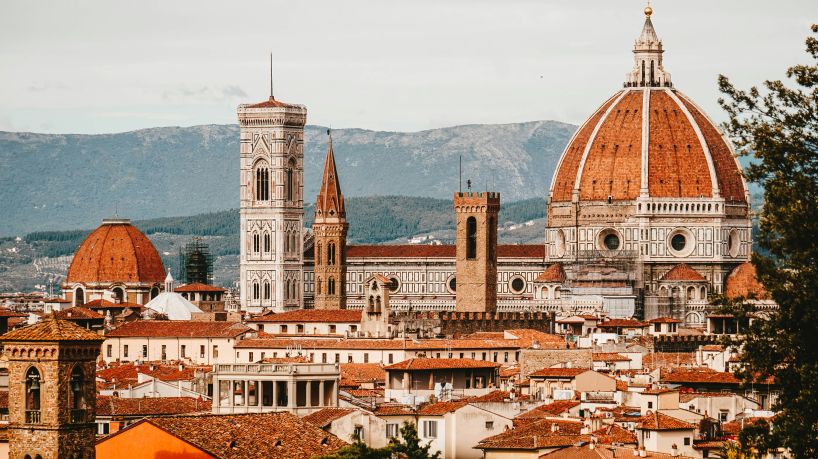
A good seven-day Tuscany itinerary needs enough variety to feel complete without turning every morning into another checkout. Three nights in Florence handle the city portion well. Three nights in Val d’Orcia then give the countryside room to feel genuinely different.
Day Four becomes the bridge between those two experiences. Leave Florence, collect your rental car, and travel south through Siena or Chianti. That approach turns a transfer day into sightseeing without creating another hotel change.
The basic rhythm is simple: Florence first, one scenic transfer day, then Val d’Orcia. Florence works best without a car, especially inside its restricted historic center. The countryside becomes much easier once you have your own transportation.
For most couples, renting the car after Florence keeps the first half noticeably simpler. You avoid managing city traffic while jet-lagged and remove parking from your Florence decisions. Then you begin driving when the scenery, hill towns, and rural lodging actually make the car useful.
Flight times can change the plan more than any sightseeing preference. Check current rail schedules and ticket options through Trenitalia before locking your first day. An early departure may require an airport-area night, even if that shortens your countryside stay.
Why Florence and One Countryside Base Work Better
Three nights in Florence give you enough breathing room to enjoy the city without treating it like a checklist. You can prioritize major museums, historic streets, and good meals without stacking every hour. That matters because Florence rewards walking, wandering, and occasionally changing your plans.
Staying in Florence all week removes one hotel change, which sounds appealing. However, every countryside outing then becomes a round trip from the city. Longer driving days can erase the convenience you thought one hotel would provide.
Using Florence, Siena, and Val d’Orcia creates the opposite problem. You gain another evening base, but you also add packing, checkout, parking, and another unfamiliar hotel. On a seven-day trip, those repeated transitions can quietly consume useful hours.
Maps also make Tuscany look easier than it sometimes feels behind the wheel. Florence, Siena, Lucca, and other historic centers use restricted traffic zones. Unfamiliar roads, parking rules, and hotel access can add stress even when distances look short.
That is why Pisa, Lucca, San Gimignano, or the coast may belong on another trip. Skipping something famous does not mean you planned poorly. It can mean you protected the experiences that mattered more to both of you.
If that idea feels uncomfortable, our guide to slower travel after 50 explains the tradeoff more fully. Fewer hotel changes often create more usable time. They also leave room for an afternoon that does not need to accomplish anything.
Before becoming attached to individual stops, test this route against your arrival and departure times. A strong itinerary should fit your flights first. Everything else works better once those boundaries are honest.
Quick Self-Check: Is This Itinerary Right for You?
This route suits couples who want both city culture and countryside depth. Florence offers art, architecture, churches, restaurants, and dense historic streets. Val d’Orcia adds scenic drives, wine country, smaller towns, and quieter evenings.
You should also enjoy several moderate walking days. Florence involves long stretches on foot, museum standing, stairs, and uneven surfaces. Hill towns can add steep streets and cobblestones that feel surprisingly demanding late in the day.
Mobility needs deserve attention before you choose a hotel. Historic properties may have small lifts, limited lift access, or none at all. Rural hotels can include gravel paths, steps, distant parking, and rooms spread across several buildings.
Driving comfort matters just as much as walking comfort. One partner may enjoy winding roads while the other finds them tiring. If driving creates real stress, private transfers or fewer countryside stops may serve you better.
Talk about pace before adding another famous town. Ask which matters more: another landmark or one unhurried afternoon together. Couples do not need identical priorities, but both people should understand what the itinerary protects.
Keep the two-base plan if both of you want Florence and countryside time. Simplify further if hotel changes or driving feel disproportionately stressful. The best version is the one you can enjoy without constantly recovering from yesterday.
Day One follows that same principle. Arrival recovery is not wasted time. It is the first decision that protects the rest of the week.
With the route settled, the first day has one job: help both travelers arrive in Tuscany without spending tomorrow recovering from today.
Day 1: Arrive in Florence and Let the Trip Begin Gently
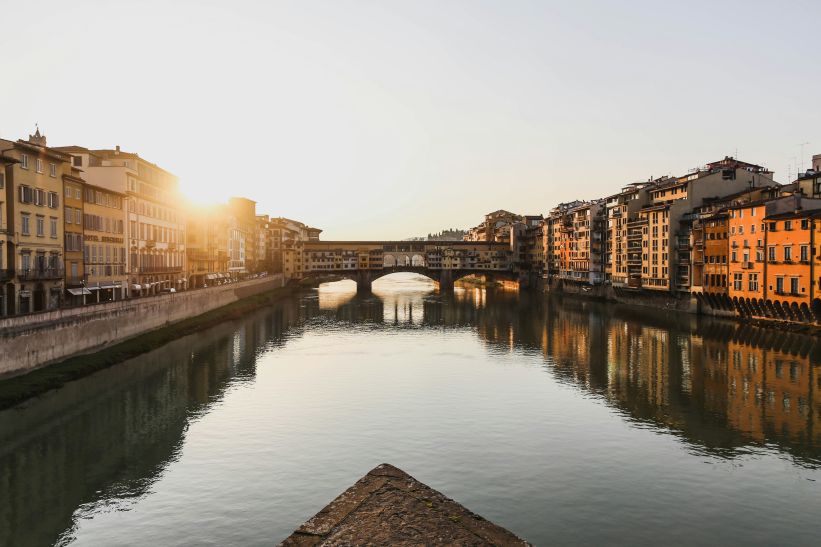
International arrival days rarely reward ambition. Delays, poor sleep, misplaced luggage, and unfamiliar streets can change your energy quickly. Your first Tuscany decision should protect tomorrow instead of trying to rescue today.
If you land in Florence, decide your airport transfer before departure. A private transfer offers simplicity, while public transportation may cost less. Check the official Florence arrival information shortly before travel because schedules and transportation details can change.
Choose a centrally located hotel that reduces unnecessary transportation during your three Florence nights. Confirm luggage storage if your room may not be ready. That small detail can prevent an awkward afternoon spent guarding suitcases when you would rather explore.
Check In, Reset, and Take One Beautiful Walk
Once you reach the hotel, give yourselves permission to stop. Drink water, unpack enough to feel settled, and change clothes. A short rest can help, but avoid turning the afternoon into another night of sleep.
Then take one easy walk with no timed reservations. Piazza della Signoria makes a natural starting point for many central hotels. From there, wander toward the Arno and continue to Ponte Vecchio if your energy still feels good.
Keep the route flexible enough to shorten without disappointment. Stop for coffee, gelato, or nothing at all if that feels better. Florence will still be there tomorrow, which is exactly the point.
This is not the afternoon for the Uffizi. Save the official Uffizi ticketing information for a rested sightseeing day instead. A timed museum visit becomes less enjoyable when immigration, luggage, or fatigue has already rewritten your schedule.
Arrival day should open the door to Florence, not demand the entire city at once. A first glimpse can be enough. Tomorrow will feel different when you approach those same streets rested and curious.
Choose a First Evening That Supports Tomorrow
Dinner should be easy to reach and easy to enjoy. Choose somewhere near your hotel rather than chasing a famous reservation across Florence. On arrival night, convenience can provide more value than another twenty minutes in a taxi.
Keep the meal simple enough that neither traveler has to make many decisions. Order one Tuscan specialty that sounds appealing, perhaps with local wine. There is no prize for turning dinner into a culinary endurance event.
Afterward, take a short walk if you both still have energy. The Arno can feel completely different after the daytime crowds thin. If either person starts fading, however, head back without negotiating with yourselves.
One common mistake is stacking sunset drinks, a distant dinner, and late sightseeing onto an unpredictable arrival. Each item sounds reasonable when planned separately. Together, they can borrow heavily from the first full day.
Ask each other one useful question before making evening plans. What would make tonight memorable without making tomorrow harder? The answer might be dinner outside, one beautiful view, or simply feeling human again.
A sensible stopping point matters more than squeezing another landmark into the night. Settle in, hydrate again, and prepare only what tomorrow requires. Florence becomes much richer when you can actually notice what you are looking at.
That is the advantage of beginning slowly. Day One gives you orientation without demanding performance. Tomorrow brings Florence’s masterpieces, but the smartest decision happens before entering the first museum.
Day 2: Renaissance Florence Without Museum Overload
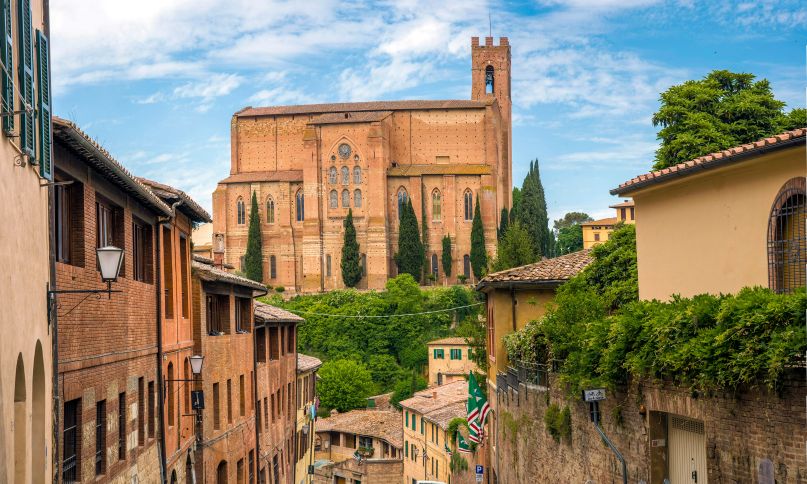
Day 2 should feel culturally rich, not like an endurance test. Florence can overwhelm even enthusiastic museum lovers when every masterpiece becomes another obligation. The better approach gives one major collection your full attention, then changes the pace completely.
That balance matters on a seven-day Tuscany itinerary. You still experience Florence’s Renaissance heritage without spending the entire day indoors. More importantly, you leave enough energy to notice the city beyond its famous galleries.
This is also a good day to separate individual preferences. One partner may happily spend hours with paintings. The other may value architecture, food, or simply walking Florence more than another gallery. Planning around that difference usually creates a better shared day. You do not need identical interests to enjoy Florence well together.
Start by deciding what kind of museum morning you actually want. Choose depth, or choose focus. Both are good choices, but they create very different afternoons.
The Uffizi suits travelers who want several hours with Renaissance painting and broader art history. The Accademia suits travelers who mainly want Michelangelo’s David and a shorter museum commitment. Neither choice is more sophisticated, and neither deserves automatic priority.
Timed reservations deserve attention before travel. Both museums can draw heavy demand, especially during popular travel periods. Check current opening days, ticket rules, accessibility details, and any identification requirements before building the rest of your schedule. Booking early can protect your preferred time without forcing the entire day into a rigid schedule.
Choose One Major Museum and See It Well
The Uffizi works best for travelers who want depth. Its galleries cover centuries of Italian art, with extraordinary Renaissance works at the center. Expect a longer visit, more standing, and far more visual information to absorb.
The Accademia creates a different experience. Michelangelo’s David provides the clear centerpiece, while the overall museum visit can feel more focused. That usually leaves more time for churches, streets, cafés, or simply sitting somewhere beautiful afterward.
If Renaissance painting genuinely excites you, choose the Uffizi. Review the official Uffizi visitor information before booking your entry time. The site includes current hours, tickets, accessibility guidance, and visitor rules.
If David matters more than spending hours with paintings, consider the Accademia instead. Its official visitor information recommends reservations because unreserved waits can become long. The museum provides wheelchair access throughout its open galleries.
Avoid booking both museums back-to-back just because a first-time Florence checklist says you should. Your eyes eventually stop absorbing details, even when everything deserves attention. Museum fatigue can turn extraordinary art into something you simply walk past.
One extraordinary museum leaves more room for Florence than two exhausting ones. Choosing neither can also make sense for repeat visitors. Florence offers enough history, architecture, food, and street life to support that choice comfortably.
Before booking, think about standing tolerance as seriously as artistic interest. The Uffizi generally demands more time and sustained attention. The Accademia usually fits more easily into a lighter sightseeing day.
Cross the Arno and Change the Rhythm
After your museum, sit down for lunch instead of eating while moving toward another attraction. Give your feet and attention a genuine reset. A relaxed meal can improve the afternoon more than another rushed reservation.
Then cross the Arno and let Florence change character. Santo Spirito and surrounding Oltrarno streets offer workshops, stone lanes, neighborhood cafés, and fewer reasons to watch the clock. Look through workshop windows, hear church bells, and stop for espresso without turning each moment into a scheduled event.
Couples who prefer outdoor contrast can move toward the Boboli Gardens instead. The gardens involve slopes, gravel, climbs, and descents, so they are not automatically the easier option. Check your energy and mobility before assuming “outdoors” means effortless.
Either path works better with an intentional hotel break afterward. Forty-five quiet minutes can restore more enthusiasm than squeezing in another church. Florence will not award bonus points for seeing everything before dinner.
Think about trips where you rushed through several major attractions in one day. Which details do you actually remember now? Often, the unplanned neighborhood, long lunch, or conversation survives more clearly than the fourth magnificent interior.
That does not make museums less important. It simply means attention has limits, and good travel planning respects them. Give important places enough space to become memories instead of entries on a completed list.
By evening, you should feel pleasantly used, not completely spent. Tomorrow can lean toward Florence’s skyline, its food culture, or something more hands-on. After the masterpieces, the next question becomes personal: what part of Tuscany do you want to understand more deeply?
Day 3: Choose the Florence Experience You Will Remember
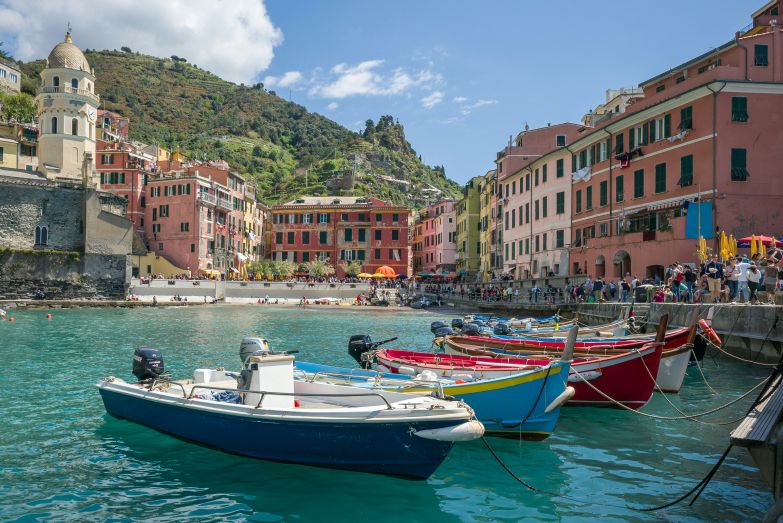
By Day 3, you have already seen Florence’s famous face. Today should become more personal. Instead of chasing leftover landmarks, choose one experience that reflects what both of you actually enjoy.
That may mean climbing Brunelleschi’s dome, exploring Florence through food, or understanding the neighborhoods beyond the busiest squares. Each choice creates a different day. None requires filling every remaining hour with attractions.
Start with a simple question. Do you want achievement, flavor, or context from your final full Florence morning? Your answer should determine the schedule, not somebody else’s list of supposed must-sees.
This approach also protects your afternoon. One meaningful morning anchor leaves room for something participatory later. Florence becomes more interesting when you stop merely looking at it and start engaging with it.
Pick One Morning Anchor: Duomo, Market, or Neighborhood
Choose the Duomo complex if architecture and the famous dome climb genuinely excite you. The climb requires a reserved time and involves many steps. There is no elevator, so consider mobility, claustrophobia, and overall energy before committing.
Use the official Florence Duomo ticketing site for current passes, opening information, and required reservations. The Brunelleschi Pass includes dome access, while other passes offer alternatives without that climb. That distinction matters if one partner wants the architecture without hundreds of stairs.
Food lovers can spend the morning around Florence’s markets instead. This choice carries less reservation pressure and allows more flexibility. Pair the market with lunch nearby rather than crossing the historic center simply because another restaurant appeared online.
A third option focuses on Florence itself. Choose a guided architecture or artisan walk through quieter streets and working neighborhoods. Context can make buildings, workshops, and small details far more meaningful than another hurried interior visit.
Whichever path you choose, resist combining all three. Florence looks compact on a map, which encourages unnecessary zigzagging. Walking across town repeatedly still consumes time, attention, and feet.
Consider what you want to remember afterward. The dome offers accomplishment and remarkable architecture. Food provides immediate connection through taste, while neighborhood exploration gives the city more human context.
Your morning choice should also complement yesterday. After a museum-heavy Day 2, another structured cultural marathon may feel unnecessary. Changing the experience keeps Florence from becoming one long succession of reservations.
Make the Afternoon Personal
The afternoon offers something more valuable than another checklist. You can participate. A cooking class, artisan workshop, private guide, or completely open afternoon can each work beautifully.
For food-focused couples, consider this Tuscan farmhouse cooking class with a Florence market visit. The experience combines transportation, cooking, lunch, and a market component. It turns Tuscan food from something you order into something you actually understand.
However, check the practical details before booking. The experience involves uneven and steep surfaces and does not accommodate travelers with walking difficulties. Current information also states that alternative dietary requirements cannot be accommodated.
That makes it a poor choice for some couples, regardless of reviews or popularity. A different cooking class may better protect your comfort or dietary needs. Always confirm meeting points, transportation, cancellation terms, accessibility, and dietary support before paying.
If food will shape your wider Tuscany trip, explore our guide to Tuscany’s food and wine experiences. It can help you decide what belongs in Florence versus the countryside. Saving some culinary experiences for later prevents unnecessary duplication.
Artisan workshops offer another strong direction. Learning about leatherwork, paper, ceramics, or traditional craftsmanship can create conversation that ordinary shopping never provides. A private guide can also tailor the afternoon around architecture, history, food, or local culture.
Doing nothing structured remains a perfectly legitimate choice. Spend time at a café, wander without navigation, or return somewhere that caught your attention earlier. An unscheduled afternoon can become especially valuable before tomorrow’s driving day.
Think about your favorite memories from previous trips together. They may not involve the attraction that required the most planning. Often, shared participation and unexpected conversations survive longer than another photograph of another famous building.
The day becomes memorable when Florence stops being a list and starts becoming part of your shared story. That does not require spending more. It requires choosing more deliberately.
Finish Day 3 with enough energy to handle tomorrow’s transition calmly. The countryside begins next, along with rental cars and unfamiliar roads. Leaving Florence well requires one decision many Tuscany itineraries mention much too late.
Day 4: Leave Florence Through Siena or Chianti
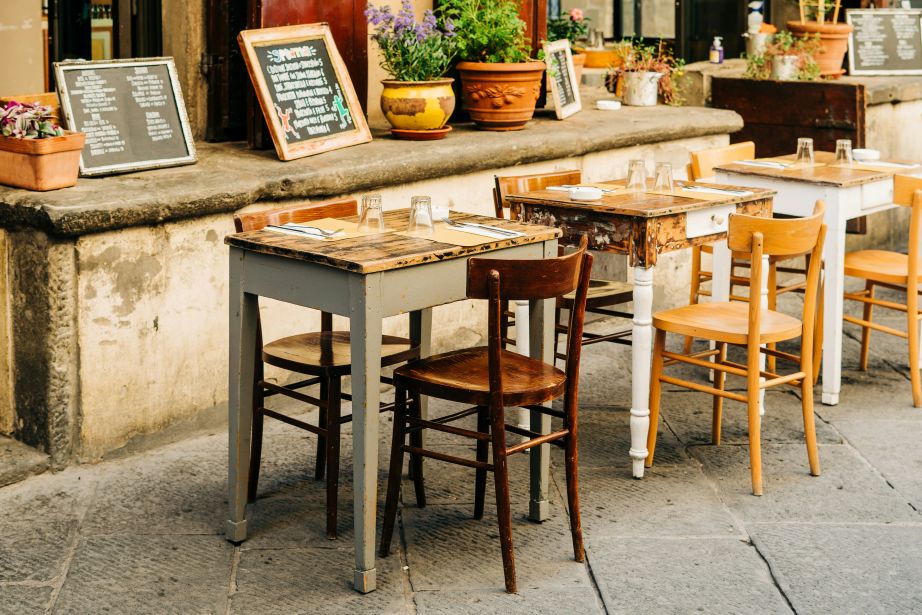
Day 4 changes the character of your Tuscany itinerary. Florence falls behind, and the roads begin opening toward vineyards, villages, and countryside. Done well, this transfer becomes one of the trip’s best days.
The key is resisting the urge to make every interesting place a stop. Choose Siena or Chianti as the day’s focus. Then reach Val d’Orcia early enough to settle in without navigating rural roads after dark.
That restraint matters more than it sounds. Siena, San Gimignano, several wineries, and Val d’Orcia might fit on a map. They rarely fit comfortably into one enjoyable day.
Collect the Car Without Driving Through Florence’s ZTL
Wait until today to rent your car. You did not need one during three nights in Florence. Parking expenses and restricted streets would have created cost and responsibility without providing much useful freedom.
Choose a rental location outside Florence’s restricted historic center whenever practical. Otherwise, request precise exit instructions before collecting the vehicle. Review the city’s official Florence ZTL guidance shortly before your trip.
Florence uses camera-controlled entrances around much of its historic center. Cameras record license plates when vehicles enter controlled areas. A wrong turn can therefore become an expensive souvenir months after you return home.
Hotels and garages can sometimes register authorized vehicles entering the ZTL. However, that permission applies only under specific circumstances and procedures. Never assume your hotel automatically makes every route through central Florence legal.
Reserve an automatic transmission early if you prefer one. European rental fleets still include many manual vehicles, and availability can vary. Confirm the transmission again when collecting the car rather than assuming the reservation guarantees everything.
Before leaving, photograph all sides of the vehicle and any existing damage. Check fuel requirements, insurance paperwork, and the return location. Download offline navigation because rural reception can become unreliable precisely when you need directions most.
Discuss driving roles before entering traffic. One person can drive while the other handles navigation, parking signs, and changing instructions. That division usually works better than two people simultaneously arguing with the navigation system.
Choose Siena for Culture or Chianti for Wine
Siena makes sense if Florence left you wanting more history and architecture. Park outside the restricted center and walk inward rather than attempting to drive toward Piazza del Campo. Expect hills, cobblestones, and substantial walking throughout the visit.
Keep Siena as the main event rather than another item between wineries. Enjoy the historic center, have lunch, and leave enough time for the remaining drive. Adding several tastings afterward usually makes the day feel more complicated than rewarding.
Chianti creates a different transfer day. Choose it if scenic roads, vineyards, and wine matter more than another major historic city. The official Chianti driving itinerary follows the SR222 through several well-known wine towns.
One reserved winery is usually enough on a transfer day. A thoughtful tasting gives you time to understand the wines instead of watching the clock. Remember that someone still needs to drive afterward, so plan tasting quantities accordingly.
Couples uncomfortable combining wine and driving have another option. A small-group Chianti wine tasting tour from Florence includes transportation and two wineries. However, it returns to Florence, so it does not function as your Val d’Orcia transfer.
That tour works better if you restructure the itinerary around a separate wine day. Current details list roughly five hours and a Florence meeting point. Verify duration, meeting location, walking requirements, cancellation terms, and inclusions before booking.
Siena asks more from your legs. Chianti asks more from the driver and requires discipline around tasting. Neither choice wins automatically because the better route depends on what both travelers actually want.
If Florence already satisfied your appetite for architecture, choose Chianti. When museums and city streets left you wanting more history, Siena may provide the stronger contrast. A late start or low energy can justify skipping both and driving directly south.
Do not attempt Siena, San Gimignano, two wineries, and an evening arrival in Val d’Orcia. That itinerary looks impressive until you actually live through it. The transfer day works when one meaningful stop replaces four hurried ones.
Aim to reach your countryside hotel before sunset whenever practical. Daylight makes rural roads, entrances, parking, and unfamiliar property layouts easier. More importantly, you can unpack once and finally stop moving.
For the next three nights, the luggage stays put. That changes the rhythm immediately. Val d’Orcia now rewards the space this itinerary deliberately protected.
Day 5: Let Val d’Orcia Set the Pace
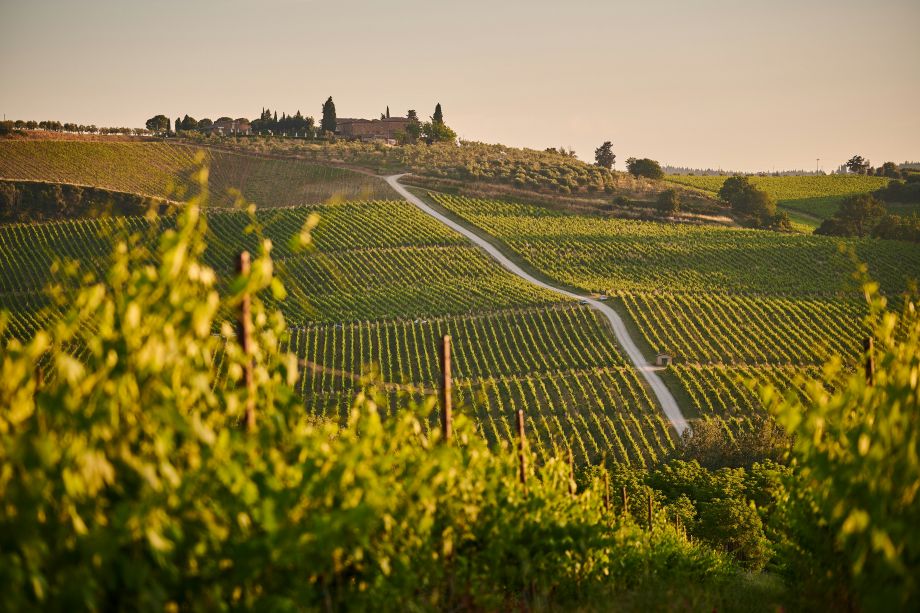
Day 5 should feel different from the first four days. Florence asked you to track tickets, streets, opening times, and reservations. Val d’Orcia gives you room to stop doing that.
That change is one reason this seven-day Tuscany itinerary uses three countryside nights. You finally have time to enjoy the valley without turning it into a driving exercise. Today needs only two connected villages, one good lunch, and enough empty space to notice where you are.
The official Val d’Orcia destination guide gives useful context for Pienza, San Quirico, Bagno Vignoni, and nearby villages. Review it before adding extra stops. The map can make everything look tempting and deceptively easy.
Historic centers also require realistic walking expectations. Parking often sits outside the oldest streets, while slopes begin after you leave the car. Uneven stones and limited shade can make modest distances feel longer, especially during warmer months.
Your driving pace deserves similar attention. Rural roads can narrow, viewpoints appear unexpectedly, and parking may require another lap. Leave enough margin that nobody feels pressured to hurry through unfamiliar roads.
Build pauses into the day before you need them. Take water, wear supportive shoes, and stop when a viewpoint deserves more attention. Tuscany does not improve because you reached the next village fifteen minutes sooner.
Pair Pienza With San Quirico d’Orcia
Start in Pienza while the morning still feels relatively calm. Give yourselves time for its lanes, Renaissance architecture, shops, and valley views. Do not assign a deadline to every corner.
Pienza pairs naturally with nearby San Quirico d’Orcia. The shorter geographic spread keeps the middle of your day from disappearing behind the windshield. That matters because parking, walking, lunch, and photography stops always consume more time than expected.
Choose one viewpoint and actually stay there awhile. Then sit down for lunch instead of eating quickly before the next village. An hour together at the table belongs in the itinerary just as legitimately as another church.
Continue to San Quirico for a manageable afternoon walk. Its historic center includes medieval architecture and the Horti Leonini, a Renaissance garden. The town adds another layer of Val d’Orcia without demanding a major detour.
Montepulciano is tempting, but adding it changes the day. You gain another impressive hill town while accepting more driving, parking, climbing, and decision-making. Save it if those tradeoffs start competing with the relaxed day you wanted.
A simple test helps here. Would another village make today better, or merely make the itinerary look more impressive? Those are not always the same thing.
The better plan is wonderfully uncomplicated. See one beautiful view, enjoy one seated lunch, take one village walk, and leave one stop unscheduled. That unplanned hour may become the part you remember best.
Consider the physical demands before extending the route. Another hill town usually means another climb from parking and more uneven streets. Saving energy now gives you more freedom tomorrow.
Val d’Orcia becomes memorable when the landscape stops being scenery and starts shaping the day. Let the countryside influence your pace. That is part of the experience, not empty space between attractions.
Choose Bagno Vignoni, a Spa, or an Empty Afternoon
After lunch, check your energy before following any plan. Bagno Vignoni offers an atmospheric stop built around its famous central thermal basin. The village provides interest without requiring another large sightseeing program.
Do not arrive expecting to swim in that historic pool. Bathing in the ancient central basin is no longer permitted. Nearby properties offer separate thermal pools and spa treatments instead.
If restoration sounds better, reserve a spa treatment and confirm exactly what the booking includes. Pool access, treatments, changing facilities, and guest privileges can vary by property. Verify current access directly before structuring the afternoon around it.
There is also a third choice, and it may be the best one. Return to your countryside hotel and leave the afternoon completely open. Use the terrace, pool, garden, or whatever setting helped justify choosing that property.
That is not wasted vacation time. You already paid for the location, quiet, service, and views. Spending several hours enjoying those things can provide more value than another thirty-mile loop.
A free afternoon also gives both travelers room to choose differently. One person can read while the other swims or walks. Togetherness does not require doing the same thing every minute.
Think about the trips you still talk about together. Famous sights probably appear in those memories. So do long meals, conversations, sunsets, and moments when neither person watched the clock.
Ask each other what would feel restorative today. One person may want thermal water while the other wants shade and a book. Neither preference needs defending.
Finish the evening close to your base instead of creating another driving mission. Tomorrow can add Brunello country or another hill-town experience. The valley has slowed the week down, so Day 6 can add depth without sacrificing that calm.
Day 6: Choose Montalcino or Montepulciano, Not Both
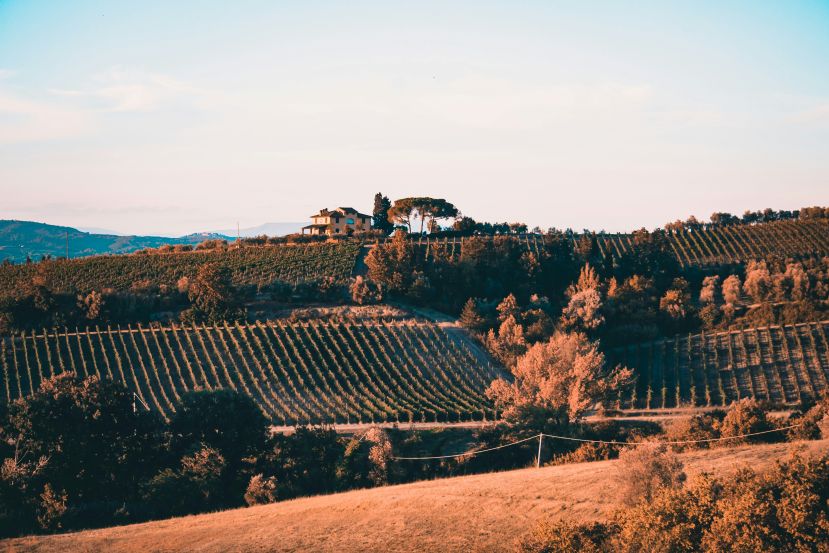
Day 6 should feel deliberate, not ambitious. You have already spent several days absorbing Tuscany through art, villages, roads, and long lunches. Today works best when one wine town becomes the focus.
Montalcino and Montepulciano both deserve attention, but they create different experiences. Trying to combine them usually adds driving, parking, steep walking, and rushed tastings. Choose depth instead of geographic coverage.
The decision becomes easier when you ask what matters more today. Do you want a wine-focused day built around Brunello? Or do you want a broader hill-town experience with architecture, cellars, shopping, and Vino Nobile?
There is also a practical question hiding underneath the romantic one. Who is driving after lunch and wine tasting? If both of you want to taste freely, hiring a driver can remove an unnecessary compromise.
That choice can also protect the mood of the day. Nobody needs to count pours while the other person enjoys the experience. Responsible transportation is part of good planning, not an indulgence.
Before choosing a town, compare your priorities honestly. Montalcino favors wine depth, while Montepulciano gives more weight to town atmosphere. Neither choice is incomplete, and both work better when you stop trying to combine them.
One more consideration matters here. Winery visits often require reservations, and each estate handles tastings differently. Confirm appointment times, accessibility, food options, shipping terms, and transportation before building the day around a specific property.
Choose Montalcino for Brunello and a Focused Wine Day
Montalcino makes sense when wine itself is the main attraction. Brunello di Montalcino gives the town a clear identity and purpose. A focused visit lets you understand the place without racing between tasting rooms.
Reserve one estate visit for late morning. Many producers require appointments, and tasting formats vary considerably. Confirm food availability, accessibility, duration, shipping policies, and transportation before committing.
Then have a seated lunch and give the tasting time to settle. Afterward, spend a few hours walking through Montalcino at your own pace. The town is compact, but its streets can be steep.
One winery visit usually creates more value than three rushed tastings. You can ask questions, understand production, and actually remember what you tasted. That depth matters more than accumulating labels.
If both partners plan to taste, a private driver can be worthwhile. The benefit is not luxury for its own sake. It protects safety, removes negotiation, and lets both people participate equally.
A comfortable sequence is simple. Schedule a late-morning estate visit, enjoy lunch nearby, then explore Montalcino before returning early. You finish with enough energy for the final countryside evening.
This is also where experiences can matter more than collecting things. Our guide to choosing experiences over possessions explores that idea more deeply. A meaningful winery visit often lasts longer in memory than another purchase.
Leave room for questions at the estate. Ask about vintages, production choices, and shipping before deciding what to buy. You may value understanding the wine more than leaving with several bottles.
Choose Montepulciano for a Hill-Town Day With Wine
Montepulciano suits couples who want wine without making wine the entire day. The town offers Renaissance architecture, historic streets, underground cellars, shops, and Vino Nobile. It feels more like a hill-town day with wine woven through it.
The tradeoff is physical effort. Montepulciano sits on a steep ridge, and walking can be demanding. Parking below the historic center can add another climb before sightseeing even begins.
Choose Montepulciano if town atmosphere matters as much as tasting. Spend time wandering, visit one cellar, then sit down for lunch. That balance keeps the day interesting without creating tasting fatigue.
Ask yourselves one practical question before booking anything. Does wine depth matter more, or does town exploration matter more? Your answer usually points clearly toward Montalcino or Montepulciano.
Also decide who wants to taste. If one partner prefers driving, self-driving can work comfortably. When both want the full tasting experience, hiring a driver removes a compromise.
A private Val d’Orcia tour offers a driver and visits both towns. Its standard pickup is Florence, so it may not suit your countryside base. Confirm pickup, duration, walking demands, tasting inclusions, and cancellation terms before booking.
Avoid the classic final-day mistake. Do not combine both towns, Pienza, a long lunch, and several tastings simply because they look close. That turns discernment into mileage.
A memorable wine day needs a point of view, not the highest possible tasting count. Choose the place that fits your interests, then give it enough time. That approach protects both enjoyment and memory.
Finish with dinner near your hotel and let the final countryside evening stay uncomplicated. Tomorrow requires another important decision about departure timing. A well-paced trip deserves an exit that does not punish you for staying one night too long.
Day 7: Finish Gently and Protect the Departure
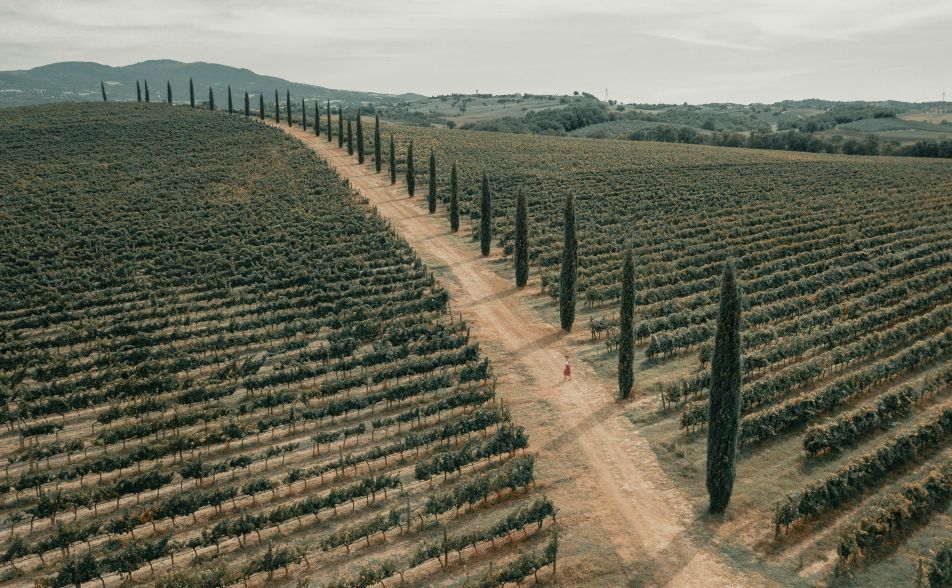
The final morning should not feel like another sightseeing challenge. You have spent six days moving through Florence, villages, vineyards, and countryside. Let the trip end with the same restraint that made the middle days work.
Keep the morning close to your hotel. Have breakfast without watching the clock every five minutes. Take a short walk, revisit a favorite viewpoint, or buy something local to bring home.
A relaxed checkout can work when your onward schedule provides real margin. Lunch can fit too, but only when departure timing remains comfortable afterward. Do not turn one final meal into the reason everyone suddenly starts checking traffic.
This is also a good moment to leave space for nothing. Sit somewhere with the valley still in view. Talk about what surprised you, what you would repeat, and what belongs on another trip.
The alternative sounds tempting but usually creates unnecessary pressure. Adding another distant town means parking, walking, navigating, and watching departure time constantly. That is a poor trade for one more name on the itinerary.
A good departure preserves the trip’s final memory instead of replacing it with a race. One last coffee together can accomplish that beautifully. A tense navigation argument rarely does.
Use the Morning for One Last Tuscan Moment
Keep your plans flexible until you understand the actual departure window. Weather, traffic, rental procedures, and road conditions can all affect timing. Your final morning should absorb those variables rather than compete with them.
A nearby village works only when it truly stays nearby. Otherwise, remain at the hotel and enjoy what you paid to experience. A beautiful property becomes expensive lodging if you never spend time there.
Shopping also works better close to your base. Choose local food, ceramics, wine, or another meaningful reminder without creating a special expedition. Leave enough luggage space before discovering that Tuscan olive oil weighs exactly what olive oil weighs.
If lunch fits comfortably, enjoy it. However, set a realistic departure time before sitting down. That removes the temptation to stretch a relaxed meal into an uncomfortable drive.
Your final morning does not need a headline attraction. The countryside itself has carried much of this trip. Giving it another quiet hour can feel more complete than squeezing in one last landmark.
Add a Final Night When the Flight Schedule Demands It
An early Florence flight changes the plan. Driving from rural Val d’Orcia that morning adds unfamiliar roads, fuel stops, rental return, and airport procedures. Too many things need to go exactly right.
For an early departure, return the rental car the previous day and sleep closer to Florence. That extra night is logistical rather than romantic. It can still be one of the smartest purchases of the trip.
Florence Airport sits only several miles from the city center. Major rental companies operate near the airport rather than inside rural Tuscany. Confirm your exact return location and operating hours before leaving Val d’Orcia.
Check your rental agreement for fuel requirements as well. Some contracts require a full tank at return. Finding fuel should never become an unscheduled treasure hunt before a flight.
Build margin for traffic, navigation mistakes, vehicle inspection, luggage handling, and airline check-in. Use conservative estimates rather than perfect-condition calculations. Travel days have a remarkable ability to discover the weakest assumption in your schedule.
If your flight leaves later, keeping Day 7 in the countryside can work comfortably. An onward train journey may also allow more flexibility. Match the final night to the transportation schedule rather than forcing transportation around the itinerary.
This distinction also clears up a common planning confusion. Seven sightseeing days do not necessarily equal six nights for every flight schedule. An early Day 8 departure may justify adding a seventh night near Florence.
That night does not weaken the itinerary. It protects everything that came before it. You leave Tuscany rested, organized, and much less likely to spend the final hours staring anxiously at arrival estimates.
The route now fits together from arrival through departure. The next challenge is booking each piece in the right order. Some reservations deserve attention much earlier than others.
Book the Week in the Right Order
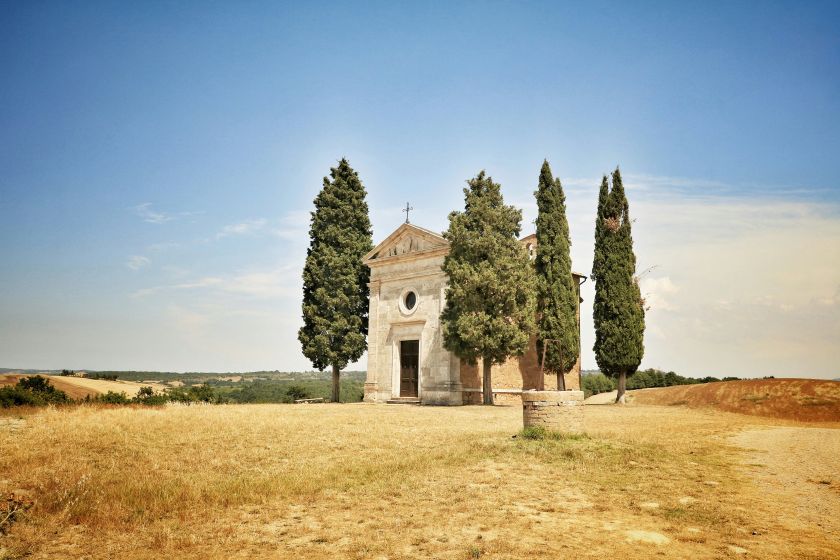
Once the route feels right, resist booking everything at once. Some decisions control the rest of the trip. Others can remain flexible without creating much risk.
Start with your international transportation and exact travel dates. Arrival and departure times determine how many usable sightseeing hours you actually have. They also decide whether that final Florence-area night becomes necessary.
Next, secure your two lodging bases. Location matters more here than chasing the fanciest room available. Florence should support easy walking, while your countryside hotel should make evenings and daily drives manageable.
A beautiful remote estate can sound wonderful during planning. Reality changes when dinner requires another forty-minute drive after an exhausting day. A slightly less isolated property may deliver considerably more comfort.
Then reserve the automatic rental car if that transmission matters to you. Availability can tighten before popular travel periods. Confirm collection location, operating hours, luggage capacity, cancellation terms, and return procedures before paying.
Only after those structural pieces should you lock major activities. That includes your priority Florence museum, private guides, signature wine visits, and limited-capacity experiences. Avoid buying nonrefundable activities while your hotels and transportation remain unsettled.
Before confirming lodging, check practical details that rarely appear in dreamy photographs. Ask about elevators, stairs, air conditioning, parking, luggage assistance, and restaurant operating days. Small logistics become remarkably important after several hours of walking.
Reserve what is scarce, verify what can change, and leave breathing room where life usually happens.
Reserve the Scarce Decisions First
Think of the booking process as building from the outside inward. Flights create the boundaries, while hotels establish your geography. Transportation then connects those pieces before activities begin filling the calendar.
For Florence, compare location against comfort instead of assuming central always means better. A quieter street several minutes away may improve sleep considerably. However, saving money far outside the center can create repeated transportation costs and wasted time.
Countryside lodging deserves an even closer look. Confirm whether dinner operates every evening and whether reservations are required. Ask about parking distance, stairs, elevators, air conditioning, and assistance with luggage.
Your rental car comes next. Reserve an automatic early if neither traveler wants a manual transmission. Verify pickup and return locations carefully because an inexpensive rate loses value quickly with inconvenient logistics.
Then book your most important Florence reservation. Use the official Uffizi information when that museum anchors your visit. Recheck current hours and visitor information before travel because schedules can change.
Do the same with private guides and winery appointments. A must-have experience deserves protection before restaurant reservations fill your calendar. Meals usually offer more alternatives than limited-capacity tours.
Rail travelers should also verify current schedules through Trenitalia before finalizing connecting arrangements. Avoid planning tight transfers around perfect conditions. Twenty saved minutes rarely justify spending departure morning watching the clock nervously.
Cancellation terms matter throughout this process. Compare flexibility before automatically choosing the cheapest prepaid rate. Paying slightly more can create real value when flights, health, or weather force changes.
Adjust for Season, Mobility, and Real-Life Energy
A good itinerary still needs room to respond. Tuscany in warm weather demands different pacing than cooler spring or autumn travel. Rain, heat, shorter daylight, and seasonal operating hours can reshape otherwise sensible plans.
During hotter periods, move demanding walks toward morning when possible. Protect the afternoon for lunch, shade, rest, or a lighter activity. A reservation schedule should support your body instead of forcing you through unnecessary discomfort.
Shoulder season can offer useful flexibility, but it carries tradeoffs too. Our guide to traveling during shoulder season explains why lower demand does not eliminate planning needs. Weather and seasonal closures still deserve verification.
Mobility deserves the same honesty. Tuscany includes cobblestones, slopes, stairs, uneven rural surfaces, and long periods of standing. Build an easier alternative before someone becomes tired enough to need one.
Ask three questions while reviewing each day. Where can we recover if yesterday runs long? What replaces this activity during bad weather? Which option works if one person needs less walking?
Those answers create resilience without overplanning. Changing the schedule for comfort does not diminish the trip. Sometimes the smartest decision is skipping the reservation you could technically still reach.
Recheck important details shortly before departure. Confirm museum hours, rail schedules, rental procedures, hotel services, restaurant closures, and experience meeting points. Details that were correct six months earlier may no longer apply.
Finally, protect open time instead of treating it as unfinished planning. Leave a few meals flexible and preserve at least one genuine recovery window. Tuscany rarely suffers because you spent an extra hour over lunch.
The itinerary now works on paper and in real life. One final audit remains before booking becomes commitment. That review reveals whether your careful Tuscany week still breathes or has quietly become another race.
The Mistakes That Turn Seven Days Into a Race
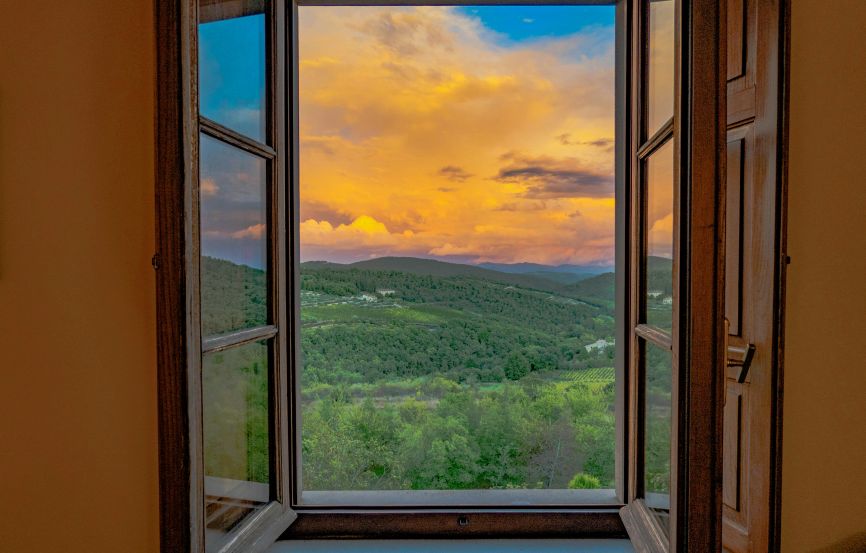
A seven-day Tuscany itinerary can look perfectly reasonable on paper and still feel exhausting once you arrive. Most problems begin with small additions. One more town, another reservation, and another hotel eventually turn vacation planning into shift scheduling.
The good news is that subtraction usually fixes the problem faster than better optimization. You do not need a more complicated spreadsheet. You need fewer decisions competing for the same limited time and energy.
Before finalizing anything, look at the week from both travelers’ perspectives. Consider walking, driving, interests, meals, downtime, and how often you change locations. If either person already feels tired reading the itinerary, the trip probably needs editing.
Five Mistakes Most Couples Make
- Using three hotel bases instead of two. Florence, Siena, and Val d’Orcia may look efficient geographically. Every move adds packing, checkout, transportation, parking, and another unfamiliar room. Keep Florence and one countryside base unless another overnight genuinely improves the experience.
- Building every day around long drives. Tuscany rewards scenic driving, but hours behind the wheel still consume vacation time. Choose one meaningful daily anchor instead. Let nearby meals, walks, and spontaneous stops fill the remaining space.
- Booking major museums back-to-back. The Uffizi and Accademia both deserve attention, but your concentration has limits. Choose one major museum for the day. Save the remaining hours for neighborhoods, lunch, architecture, or simply sitting somewhere beautiful.
- Planning wine days without solving transportation first. Both travelers may want to taste, which makes driving responsibilities awkward. Hire a driver when that supports your plans. Otherwise, limit tastings so the designated driver can remain completely comfortable and safe.
- Gambling on an early flight from rural Tuscany. Best-case driving estimates ignore fuel, rental returns, traffic, and unfamiliar roads. Add a final night nearer Florence when necessary. Protecting the departure is better than finishing Tuscany with an alarm clock and clenched teeth.
After this audit, look again at anything you can remove. Our guide to why doing less often improves luxury travel explores that idea more deeply. The itinerary usually improves before another attraction ever gets added.
Then ask one final question. Is there any blank space that both of you genuinely want to keep? If the answer is no, the week may still be carrying too much.
The Hidden Luxury Is Margin
Luxury in Tuscany does not always mean upgrading the hotel or ordering the most expensive wine. Sometimes it means having forty minutes nobody has claimed. It can mean arriving early enough that a wrong turn remains mildly annoying instead of disastrous.
Protect one free afternoon somewhere in the week. Keep at least one meal flexible. Leave enough transportation margin that a delay does not erase the next experience.
Those choices create something expensive itineraries often forget to buy: options. You can linger when lunch becomes memorable. Another day, you can return early because the heat, rain, or your feet have made their opinion perfectly clear.
Central hotels can create the same kind of value. Private transportation sometimes does too. Neither choice matters because it sounds luxurious, but because it can return time and energy to both travelers.
Ask each other which part of Tuscany you most want to feel rather than merely complete. One person may say a quiet countryside morning. The other may choose a long dinner, Renaissance art, wine country, or simply uninterrupted time together.
That conversation matters because empty nest travel finally gives both people more freedom to shape the trip. Our article about how empty nest travel can help couples reconnect looks more closely at that opportunity. Shared travel works best when neither partner becomes a passenger in the other person’s itinerary.
Experience also teaches something useful about travel. You eventually realize that seeing more does not automatically mean experiencing more. Discernment becomes a strength because you know your energy, preferences, and relationship better than any top-ten list does.
The itinerary improves the moment it stops trying to prove how much Tuscany you saw. It should protect how you experienced it together. Seven days cannot contain all of Tuscany, but they can contain a Tuscany both of you will want to remember.
Seven Days in Tuscany Should Feel Complete, Not Exhausting
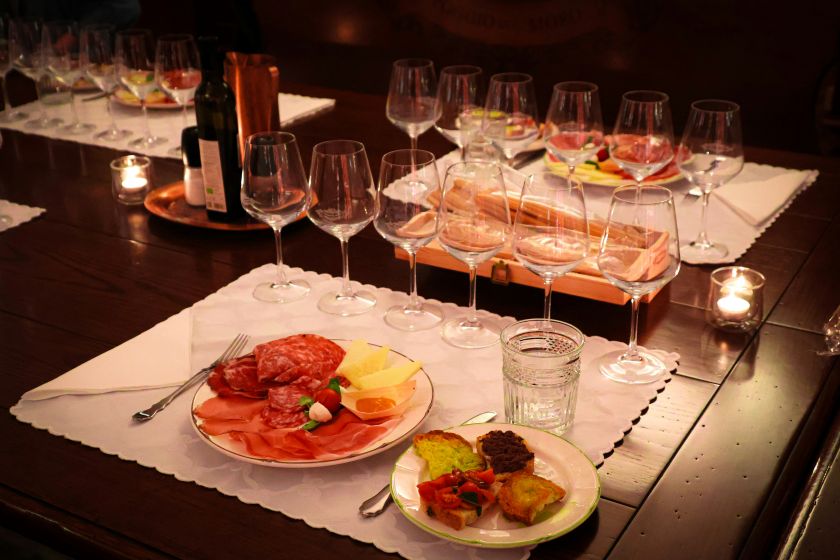
A thoughtful seven-day Tuscany itinerary does not need six hotels or twelve towns. Three Florence nights provide culture, art, and city energy. Three countryside nights then create space for villages, wine, scenery, and quieter evenings.
The transfer day connects those experiences without wasting a full day. Siena or Chianti becomes part of the journey south. You change hotels once, unpack twice, and spend considerably less time managing luggage.
The important choices remain deliberately simple. Choose one major Florence museum rather than exhausting yourselves inside two. Pick Siena or Chianti, then choose Montalcino or Montepulciano later in the week.
Those decisions leave several worthwhile places outside the itinerary. Pisa, Lucca, San Gimignano, and the Tuscan coast are not somehow less deserving. They simply belong to another version of Tuscany.
That restraint gives your chosen places more room. You can sit through lunch without checking departure times. A village can become somewhere you experienced instead of somewhere you successfully parked.
Our guide to why slow travel feels better after 50 develops that idea further. Fewer transitions do not make a journey less ambitious. They often make more of the trip usable.
Before booking anything else, picture one moment you want from Tuscany. Maybe it is sunset over Val d’Orcia with nowhere else to be. Perhaps it is handmade pasta, Brunello, Renaissance art, or morning coffee beside your spouse.
Protect that moment first. Then build the itinerary around the conditions that make it possible. Both of you should have something in the week that feels distinctly yours.
The Tuscany you remember will not be measured by pins on a map, but by moments when neither of you wanted to hurry.
Continue Exploring
Why Slow Travel Feels Better After 50 explains why fewer hotel changes can create fuller European trips. It also explores recovery time, flexible days, and deeper local experiences. Start there if your Tuscany plan still feels crowded.
Luxury Culinary Tour in Tuscany goes deeper into markets, cooking, wine, and regional food. Use it when meals should become part of the experience rather than breaks between attractions. It can also help you avoid duplicating similar food experiences.
The Hidden Benefits of Traveling in Shoulder Season helps compare timing, crowds, weather, and flexibility. Shoulder season can improve comfort without automatically solving every planning problem. Read it before choosing dates solely around price.
Luxury Travel Planning for Couples looks more closely at thoughtful subtraction. It explains why additional destinations often create hidden costs in time and energy. That framework works especially well when Tuscany starts growing beyond one week.
How Empty Nest Travel Helps Couples Reconnect focuses on the shared side of traveling after the children leave home. Different interests and energy levels do not need to create conflict. Good planning gives both people room to enjoy the journey differently.
When you are ready, take one practical step together. Start with your dates, preferred pace, and the two bases that sound right. Then START PLANNING only when you are ready to turn those priorities into a real trip.
You can also join the Empty Nester Getaways Facebook group for ongoing travel conversations. Bring your Tuscany questions, compare ideas, and hear how other empty nesters approach meaningful trips. The goal is not copying somebody else’s itinerary, but finding what fits both of you.

Leave a Reply