
Croatia food and wine experiences can quietly become the part of your trip you remember longest. The scenery gets your attention first. Then a simple lunch, vineyard tasting, or market visit changes how you understand the country.
Croatia rewards travelers who slow down enough to notice those differences. Istria brings truffles, olive oil, Malvazija, and strong Italian influences. Dalmatia answers with fresh seafood, grilled meats, island wines, and dishes shaped by the Adriatic.
Split adds busy markets and historic streets, while Hvar and Korčula pair vineyards with sea views. Dubrovnik introduces another layer, especially when you explore nearby wine country. Each stop tastes different because Croatia never settled on one culinary identity.
That regional variety is where the real discovery begins. Native grapes, family wineries, local producers, and neighborhood markets reveal details most rushed visitors miss. Once you start noticing those differences, dinner stops feeling like a break from sightseeing.
Why Croatia Is Such an Interesting Food and Wine Destination
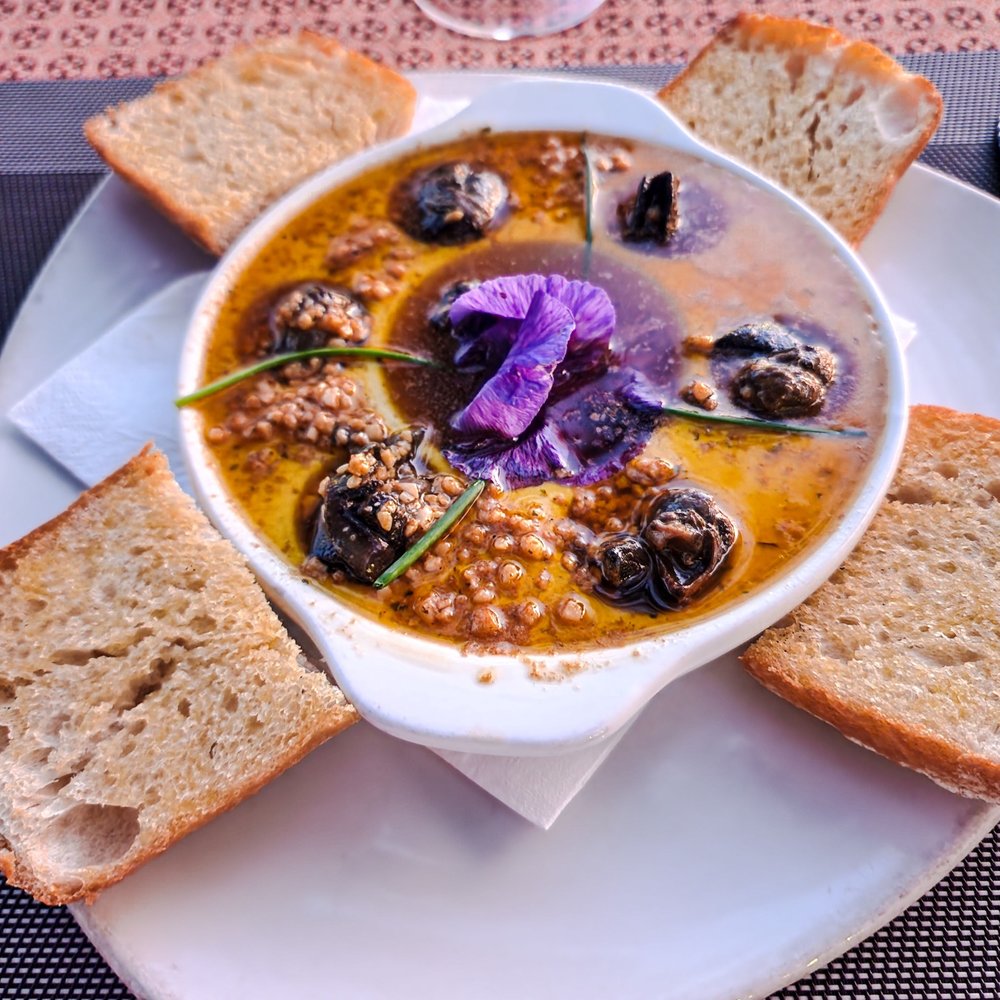
Croatia food and wine experiences become more interesting once you stop expecting one recognizable national cuisine. Geography has shaped every table differently. Coastal kitchens lean Mediterranean, while inland traditions carry stronger Central European and Balkan influences.
Italy left an especially visible mark along the northern Adriatic. Venetian influence appears in seafood, risotto, pasta, and cooking techniques throughout coastal regions. Yet Croatia never feels like an imitation of its neighbors.
That distinction matters when planning your meals. Many couples make the mistake of searching for one definitive list of Croatian dishes. Travel between regions, and the ingredients, wines, preparations, and even dining rhythms begin changing.
Some ingredients provide continuity. Fresh seafood, olive oil, cured meats, cheeses, seasonal vegetables, herbs, wine, and bread appear repeatedly. Their treatment changes depending on where you sit.
This regional variety helps explain why Croatia works especially well for empty nesters. You can travel slowly while still discovering something distinctly different every few days. Food becomes part of that discovery rather than another reservation squeezed between attractions.
Istria Brings Together Truffles, Olive Oil, Wine, and Italian Influences
Istria feels different before your first meal even arrives. Vineyards climb gentle hills beside olive groves, forests, farms, and stone villages. The landscape explains much of what eventually appears on your plate.
Truffles rank among Istria’s most famous ingredients, especially those gathered from its forested interior. Handmade pasta often carries them beautifully. Local prosciutto, cheeses, seafood, meats, and exceptional olive oils broaden the regional table.
Italian influence appears naturally here. Pasta and risotto feel completely at home, while long meals and local wine encourage slower dining. Nobody seems terribly concerned about rushing you toward dessert.
Malvazija Istarska commonly accompanies seafood, pasta, and lighter regional dishes. Teran provides a darker, more robust alternative for richer meals. Exploring both reveals how closely Istrian wine connects with its food.
The Croatia National Tourist Board’s Istria guide offers a useful introduction to this distinctive peninsula. Still, tasting Istria tells you things a map never could. Dalmatia then changes the conversation completely.
Dalmatia Centers Its Cuisine Around the Adriatic
Dalmatian cooking brings the Adriatic directly to the table. Grilled fish often arrives simply dressed with olive oil and herbs. Shellfish, octopus, vegetables, cheeses, and cured meats follow the same restrained approach.
That simplicity can surprise travelers accustomed to complicated restaurant presentations. Excellent ingredients rarely need much interference here. A freshly caught fish may arrive nearly untouched, and that is precisely the point.
Other dishes reveal a slower, richer side of Dalmatian cooking. Black risotto gains its dramatic color from cuttlefish ink. Pašticada combines slow-cooked beef with a deeply flavored sauce, usually served with gnocchi.
Peka takes another direction. Meat or octopus cooks slowly with vegetables beneath a covered iron bell. Brodet offers a rustic seafood stew, while soparnik wraps Swiss chard inside thin savory dough.
Compared with Istria, Dalmatia feels more tightly connected to seafood and island traditions. Istria leans harder toward truffles, pasta, and northern Italian influences. Neither region needs to win.
The pleasure comes from tasting both and noticing the difference yourself. That comparison turns meals into another way of understanding Croatia. And the wines make those regional differences even more revealing.
Croatian Wines and Native Grapes Worth Knowing
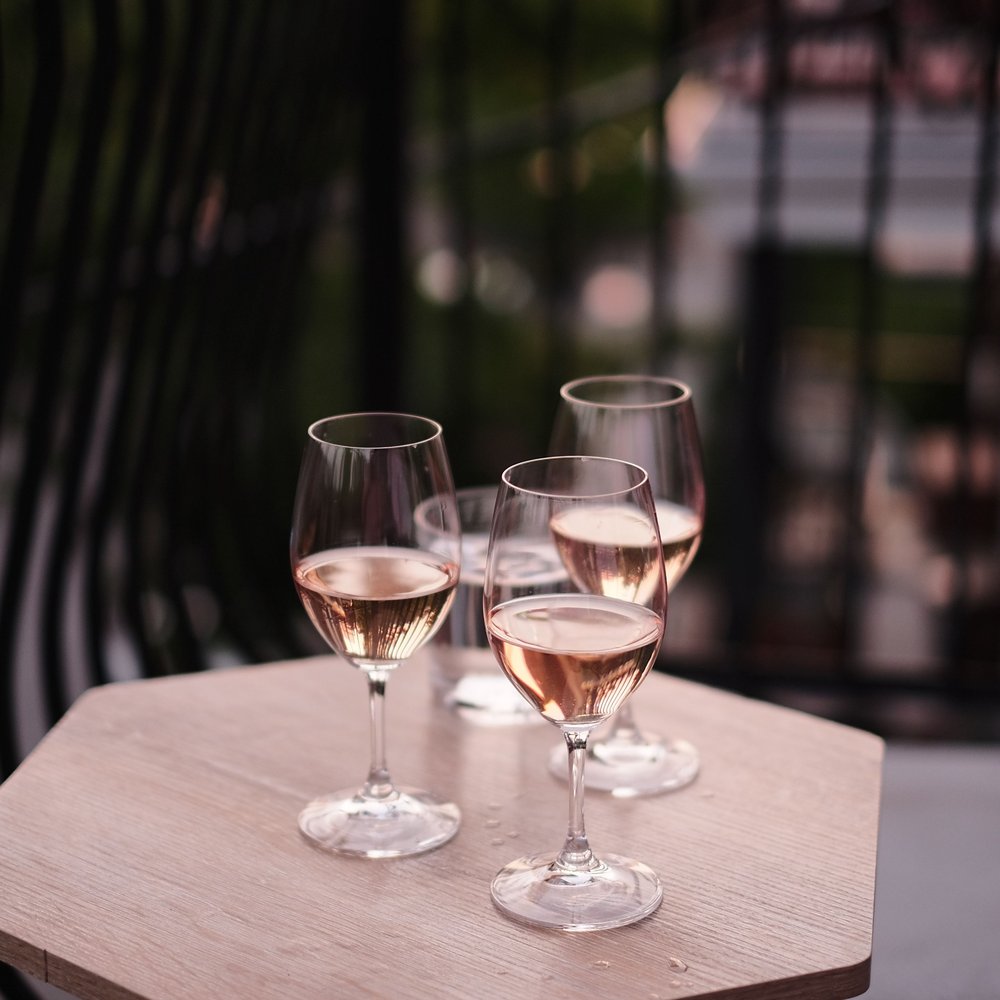
Croatian wine has centuries of history, yet many American travelers arrive knowing almost nothing about it. That unfamiliarity creates one advantage. You get to taste without bringing many expectations along.
Wine regions stretch from Istria through Dalmatia and onto islands such as Hvar and Korčula. The Pelješac Peninsula adds another important stop. Each area produces wines shaped by different soils, climates, grapes, and traditions.
The hidden pleasure comes from skipping familiar names for something distinctly Croatian. Ordering Chardonnay feels safe, but safety rarely creates your best travel stories. Native grapes connect the glass directly to the place outside your window.
That approach works particularly well while island-hopping through Croatia. Different islands introduce different wines without requiring formal wine expertise. Curiosity matters far more than knowing the correct tasting vocabulary.
Malvazija and Teran Define Much of Istrian Wine Country
Malvazija Istarska provides an excellent introduction to Istrian wine. This signature white typically works beautifully beside seafood, lighter pastas, cheeses, and regional olive oil. Its freshness fits Istria’s coastal character remarkably well.
Teran offers a very different experience. This regional red brings deeper flavors and more structure than the area’s lighter whites. Richer meats, aged cheeses, and hearty dishes give it room to show its personality.
A good winery visit adds context that restaurant ordering cannot provide. You might walk vineyards, explore cellars, taste olive oil, or sample local prosciutto. Truffle pairings sometimes enter the picture too, because apparently Istria dislikes making moderation easy.
Those combinations reveal something important. Croatian wine makes more sense when you taste it beside the foods grown nearby. Geography suddenly becomes something you can taste.
Plavac Mali Is One of Dalmatia’s Most Important Red Grapes
Travel through southern Dalmatia and Plavac Mali begins appearing with increasing frequency. You will encounter it around Pelješac and several Dalmatian islands. For red-wine drinkers, this grape deserves attention.
Plavac Mali often produces fuller, richer wines with noticeable structure. Those qualities work well beside grilled meats, aged cheeses, and substantial regional dishes. Richer seafood preparations can stand up to it too.
There is also an intriguing American connection. Plavac Mali shares ancestry with Crljenak Kaštelanski, the Croatian grape genetically linked to Zinfandel. You need no genetics lesson at dinner to appreciate that connection.
Try Plavac Mali beside a familiar red during your trip. The comparison makes Croatian wine feel less intimidating while highlighting what makes it different. Then Korčula introduces an entirely different side of Croatian winemaking.
Korčula Is Especially Important for Croatian White Wine
Korčula gives white-wine lovers two compelling reasons to linger. Pošip originated here and remains closely associated with Čara and Smokvica. Grk belongs strongly to Lumbarda and its distinctive sandy vineyards.
Pošip generally offers a fuller white-wine experience with enough character for fish, shellfish, and white meats. Grk brings another personality entirely. Its subtle bitterness gives the wine a distinctive finish that rewards slower tasting.
Then Plavac Mali provides the red-wine counterpoint. Tasting all three creates a better sense of Korčula than simply ordering whatever house wine appears. Suddenly, one small island feels surprisingly diverse.
The Tourist Board of the Town of Korčula offers more detail on local wines and food traditions. Spend enough time here, and wine stops feeling like an evening beverage. It becomes another reason to explore the island slowly.
Food Tours, Markets, and Cooking Experiences in Split
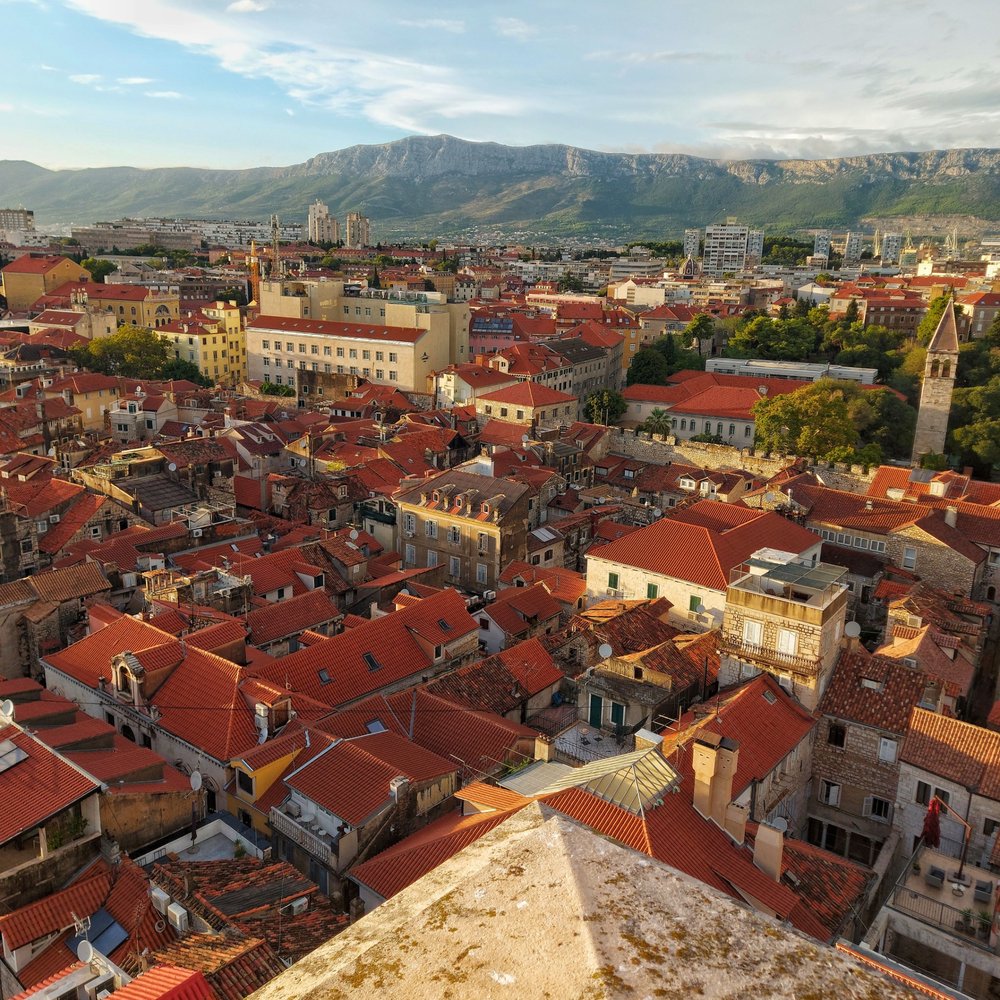
Split makes an excellent introduction to Croatia food and wine experiences because so much sits within a compact historic center. Markets, restaurants, Roman ruins, and local specialties often share the same few streets. You can learn a surprising amount before lunch.
That closeness matters when you want memorable experiences without spending every day chasing transportation. A morning market visit can become lunch, sightseeing, and wine tasting with little wasted time. Suddenly, exploring feels relaxed rather than scheduled.
Guided food experiences also solve an overlooked problem. Croatian menus contain ingredients and dishes many American travelers will not recognize immediately. A knowledgeable guide can explain what to order, how locals eat, and which wines belong beside each dish.
Independent dining still deserves plenty of room. Tours give you context, while unscripted meals let you follow your curiosity afterward. The smartest approach combines both, especially during your first days in Split.
Visit Split’s Markets Before Sitting Down to Dinner
Split’s markets show you what Dalmatian cooking looks like before chefs transform anything. The Green Market displays seasonal vegetables, fruits, cheeses, breads, herbs, and other everyday ingredients. Nearby, the fish market reveals what the Adriatic delivered that morning.
Look beyond the obvious displays. Notice which produce appears repeatedly and which seafood locals examine before buying. Those small observations help restaurant menus make far more sense later.
Timing matters here. Visit early in your stay rather than saving the markets for your final morning. You will begin recognizing ingredients when they reappear in risottos, grilled dishes, salads, and seafood plates.
That recognition changes dinner. Instead of choosing something familiar because the menu feels confusing, you can order with confidence. Travel becomes more interesting when curiosity beats caution.
A Split Food Tour Can Combine Local Dishes With City History
A good Split food tour does more than keep you fed. Tastings may introduce prosciutto, cheese, seafood, black risotto, pastries, local drinks, and other Dalmatian specialties. The food starts explaining the city.
The verified Split Food Tour: Discover Split One Bite At A Time combines five food stops with sightseeing. It also passes through Diocletian’s Palace and includes historical commentary along the walk.
That combination can save valuable vacation time. Instead of scheduling separate food and historical tours, you experience both during roughly four hours. It’s a maximum group size of twelve travelers.
Couples wanting more flexibility may still prefer a private experience. Private guides can usually adjust pacing, questions, dietary needs, and walking breaks more easily. Small groups offer more social energy and usually cost less.
Split particularly rewards travelers who enjoy history alongside food. Our guide to experiencing Croatia’s history in luxury explores that connection further. Split proves the two experiences rarely need separating.
Consider a Croatian Cooking Class for a Hands-On Experience
Cooking classes offer something restaurant meals cannot. You learn why ingredients work together instead of simply enjoying the finished plate. That knowledge often follows you home.
Depending on the class, you might prepare seafood, pasta, sauces, traditional desserts, or dishes inspired by peka. The strongest experiences go beyond standing around a kitchen island. Look for market shopping, ingredient selection, local wine, and a shared meal.
That shared meal matters more than it sounds. Cooking together slows the afternoon and creates natural conversation with local hosts. It can feel wonderfully different from another afternoon spent checking monuments from a list.
Before booking, check the class size, menu, duration, walking requirements, and included beverages. Confirm dietary accommodations before paying, especially when seafood or meat features heavily. You should also understand how much cooking guests actually perform.
Some classes involve serious participation. Others involve considerable watching while somebody else does the difficult parts. Knowing which version you are booking prevents an expensive surprise.
Hvar, Korčula, and the Dalmatian Islands for Wine Lovers
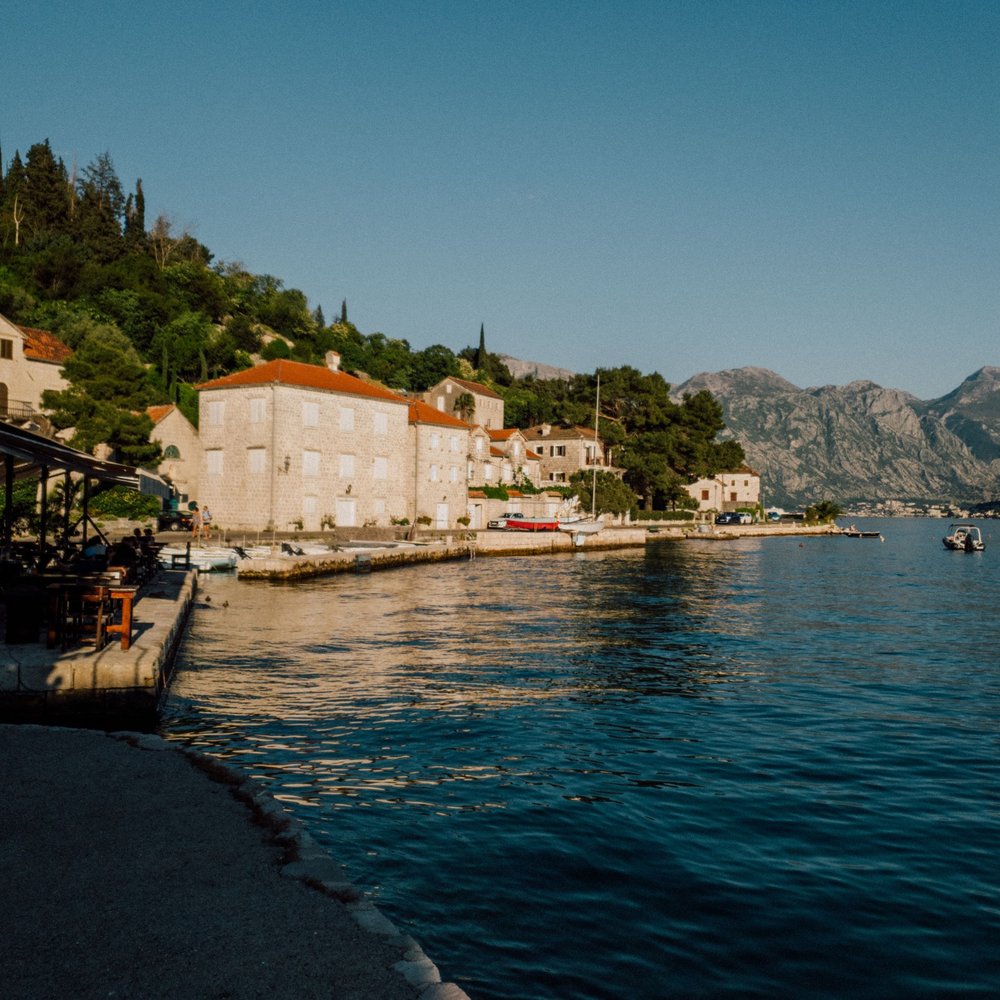
Croatia food and wine experiences feel especially natural on the Dalmatian islands. Vineyards, beaches, historic towns, seafood, and wineries share surprisingly little space. You rarely need to choose between relaxing and exploring.
Hvar brings more energy, polished restaurants, and easier access to organized experiences. Korčula generally feels quieter and more rooted in distinctive wine traditions. Both reward couples willing to stay longer than a rushed day trip.
The best winery days rarely consume the entire day. A half-day tasting leaves time for swimming, wandering old streets, or lingering over dinner. That balance often creates better memories than scheduling every available hour.
Hvar Offers More Than Waterfront Restaurants and Nightlife
Hvar Town gets most of the attention, but the island changes quickly once you travel inland. Vineyards appear beside villages, olive groves, and lavender-growing landscapes. The pace softens almost immediately.
Around Jelsa and Vrboska, wineries introduce visitors to Plavac Mali and other Dalmatian wines. The Hvar Wine Tasting Small Group Experience explores this quieter side of Hvar. It pairs local wine tasting with transportation beyond Hvar Town.
Wine tastes better with context. Local cheese, bread, olive oil, seafood, or a traditional meal can reveal far more than isolated samples. You begin tasting the island rather than simply evaluating a glass.
Korčula Offers One of Croatia’s Most Distinctive Island Wine Experiences
Korčula gives wine lovers another reason to slow down. Lumbarda is closely associated with Grk, while Čara and Smokvica are known for Pošip. Those regional differences make even short drives surprisingly rewarding.
A winery day can include vineyards, villages, olive oil, honey, local foods, and sweeping island views. The wine matters, but everything surrounding it creates the experience. This is where rushing begins working against you.
Spend several nights here, and Korčula opens gradually. You can explore wineries without sacrificing beaches, long meals, or evenings in Old Town. Our guide to Croatia small-ship cruising shows another way to reach these islands comfortably.
Island Food Is Best Experienced Beyond the Main Harbor
Waterfront restaurants certainly have their place. Yet some of the most revealing meals appear farther from the busiest harbor streets. Villages, family wineries, farms, and inland konobas deserve attention.
A traditional konoba usually focuses on regional cooking, local ingredients, grilled foods, and wines from nearby producers. Menus may feel smaller than those at tourist-heavy restaurants. That limitation can actually become an advantage.
Ask your host, guide, or winemaker what they would order locally that week. Seasonal recommendations often lead somewhere more interesting than the most photographed menu item. Sometimes the best Croatian food experience begins with one simple question.
How to Build Food and Wine Experiences Into a Croatia Itinerary
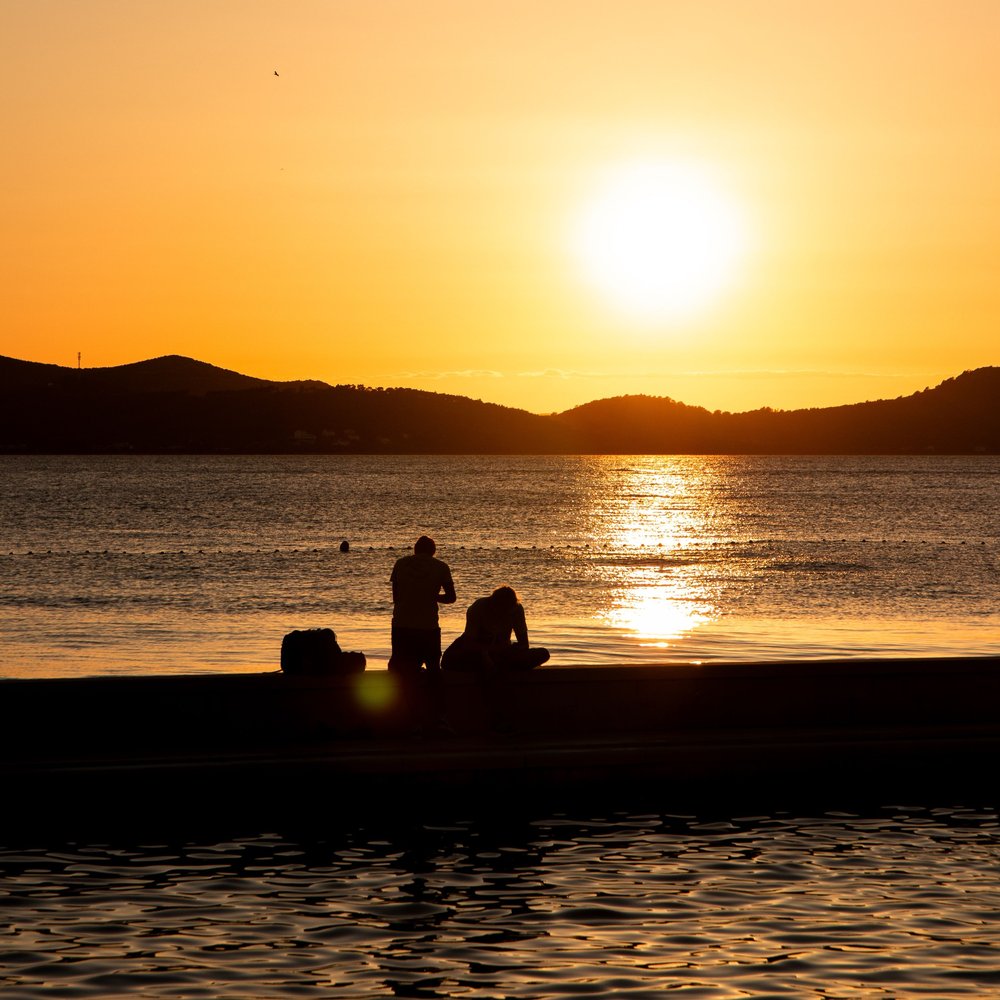
Great Croatia food and wine experiences should enrich your itinerary, not take control of it. You do not need tastings every afternoon. A few carefully chosen experiences usually create stronger memories.
Split, Hvar, Korčula, Dubrovnik, and Pelješac combine naturally along the Dalmatian Coast. Istria sits farther north and deserves more breathing room. Trying to include everything can turn an enjoyable food journey into another scheduling exercise.
Practical details matter too. Reserve important wineries early, especially during busy months. Consider transportation, seasonal hours, dietary needs, and how much activity you actually want each day.
The goal is simple. Give food and wine enough space to matter without organizing your vacation around reservations. Croatia rewards travelers who leave room for discovery.
Choose Fewer Regions and Explore Them More Deeply
With 10 to 14 days, consider starting in Split before continuing to Hvar and Korčula. Finish in Dubrovnik, perhaps adding Pelješac wine country. That route creates variety without constant backtracking.
Trying to add Istria changes the equation. The peninsula lies far from southern Dalmatia and deserves several days of its own. Longer trips can accommodate both regions, but shorter itineraries usually benefit from restraint.
This principle applies to wineries too. Visiting four producers quickly may sound productive. Two slower visits can provide better conversations, vineyard walks, food pairings, and actual time to taste.
If choosing destinations remains difficult, our Croatia versus Greek Islands comparison explores how pacing changes the Mediterranean experience. Sometimes eliminating a stop improves the trip considerably. More destinations do not automatically create more meaningful travel.
Make Winery Transportation Part of the Plan
Wine tasting creates one planning issue nobody should improvise afterward. Arrange transportation before the first glass arrives. A driver, private guide, or organized excursion removes an unnecessary decision from your day.
Organized tours can handle pickups, winery appointments, transportation, tastings, and your return. The Korčula Wine and Sightseeing Tour includes a driver-guide and hotel pickup. It also combines wine with other local products.
Comfort deserves attention before booking. Confirm pickup locations, walking requirements, vehicle type, group size, and return timing. Those details become surprisingly important after several tastings.
Leave Space for Unplanned Meals and Local Recommendations
Reserve the meals and wineries you would genuinely regret missing. Leave several lunches and dinners open. Some of Croatia’s most enjoyable discoveries appear after somebody local makes a recommendation.
Seasonal produce changes, fishing boats bring different catches, and winery hours can shift. Local events may also create unexpected opportunities. A rigid dining schedule leaves little room to follow them.
Ask winemakers where they eat after work. Question your guide about seasonal dishes worth ordering that week. Hotel staff can also point you toward places beyond the obvious waterfront choices.
Then follow the recommendation occasionally. You might sacrifice one carefully researched reservation. You may gain the meal you keep talking about after returning home.
Taste Croatia Without Rushing Through It
Croatia food and wine experiences work best when you stop trying to taste everything. Istria brings truffles, Malvazija, olive oil, and Italian influence. Dalmatia answers with seafood, island wines, and slower meals near the Adriatic.
Choose a few experiences that genuinely matter to you. A market visit, winery tasting, cooking class, or memorable dinner can anchor an entire day. You do not need five reservations to make that day meaningful.
The strongest itineraries leave space between plans. That space lets you follow a local recommendation, linger over lunch, or discover a producer unexpectedly. Sometimes the meal you never scheduled becomes the one you remember most.
If Croatia is starting to feel like your kind of trip, Start Planning and let us help shape the right pace. We can help connect the islands, wine regions, hotels, and experiences without overloading your days.
You can also join our Facebook group, Luxury Travel by Eric: Empty Nester Couples Vacations, for more ideas and conversation. It is a place to compare trips, ask questions, and discover destinations with other empty nesters.
P.S. Want to dig a little deeper into Croatia? These may help:
- Common Croatia Cruise Mistakes and How to Avoid Them — A practical look at some of the most common mistakes travelers make when cruising Croatia and how to avoid them.
- Best Time to Visit Croatia — Learn how Croatia changes throughout the year and which months may make the most sense for the kind of trip you want.

Leave a Reply