
Travelers often ask for the single perfect month to visit Tuscany. Unfortunately, Tuscany refuses to make the answer quite that simple. The best timing changes with your route, interests, walking plans, heat tolerance, and feelings about crowds.
For mild walking weather and a fuller range of experiences, start by comparing May with late September and early October. Those periods suit many first-time couples particularly well. Neither window, however, deserves an automatic victory for every traveler.
Spring brings longer days, greener countryside, comfortable outdoor conditions, and occasional rain. Autumn brings mild weather, harvest activity, changing landscapes, and generally fewer visitors than summer. September and October also overlap Tuscany’s grape harvest, although exact timing varies by vineyard and weather.
Your choice also affects practical details beyond temperature. Daylight, hotel availability, restaurant schedules, attraction demand, and seasonal operations can all influence the experience. Even travelers willing to spend more cannot create availability after a favorite room or exceptional guide disappears.
That is why comfort belongs near the top of the decision. So do walking conditions, time together, food, wine, culture, and breathing room. Choosing dates around those priorities is not settling for less.
May may fit couples who want green landscapes and spring energy. Late September may suit travelers drawn toward vineyards, harvest activity, and autumn atmosphere. October can offer beautiful conditions while bringing cooler evenings and greater weather variability.
The right question is therefore not simply, “When is Tuscany best?” Ask what you most want Tuscany to feel like. Once both of you answer that, the best dates become much easier to recognize.
The Best Time Depends on What You Want Tuscany to Feel Like
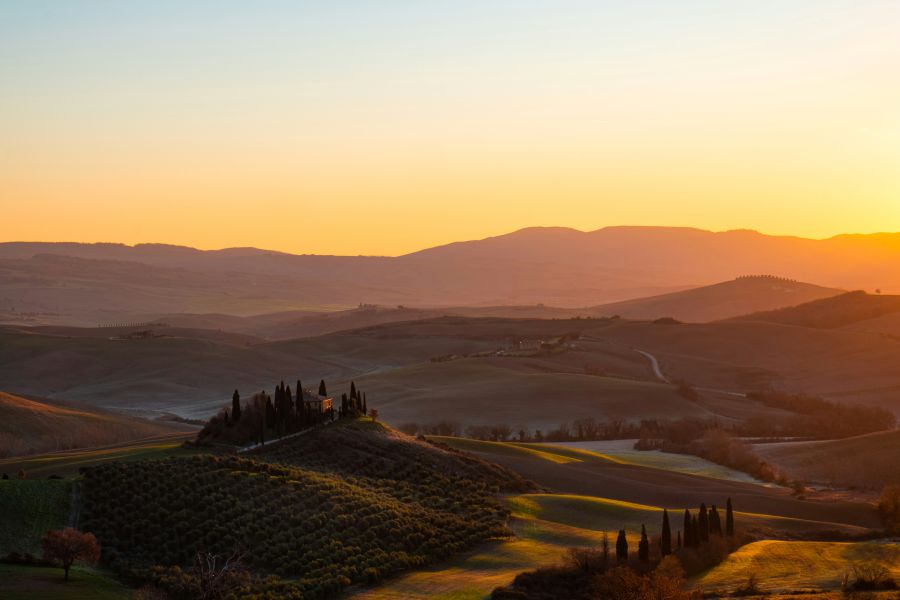
There is no single best time to visit Tuscany for every couple. Weather, crowds, scenery, food, and daily pace change throughout the year. Your priorities determine which tradeoffs feel worthwhile.
For many first-time visitors, late April through May and late September through October provide excellent starting points. Temperatures usually support comfortable sightseeing, while countryside experiences remain widely available. However, neither period guarantees empty museums, inexpensive hotels, or perfect weather.
Tuscany’s official seasonal overview makes the bigger point clearly. Every season offers something worthwhile. The better question is which version of Tuscany fits the trip you want.
Spring favors walking, gardens, fresh landscapes, and increasingly long days. Summer provides long evenings, events, pools, and the fullest warm-weather atmosphere. Autumn brings harvest traditions, seasonal foods, vineyards, and comfortable exploration.
Winter creates a different trip entirely. Florence museums, restaurants, hot springs, and cultural experiences move toward center stage. Some countryside businesses operate fewer days, so flexibility becomes more important.
Before choosing dates, both travelers should identify their two most important conditions. That small conversation prevents one person from planning around weather while the other secretly prioritizes wine. Tuscany has enough variables without adding mind reading.
The Short Answer for Most First-Time Couples
May works especially well for couples who want substantial walking without peak summer heat. Tuscany becomes greener, flowers appear across the countryside, and daylight continues stretching later. You also retain some spring uncertainty, including possible rain.
Late September offers another strong balance. Days remain relatively warm, vineyards look mature, and grape harvest activity may begin across wine regions. Harvest timing changes yearly, however, because weather influences agricultural schedules.
Early October can remain attractive for similar reasons. Temperatures may support comfortable sightseeing, while autumn food and wine traditions become more noticeable. Days shorten, and rain becomes a more meaningful possibility as autumn progresses.
This is why recommended months should never become guarantees. Easter can increase spring demand around major destinations. Festivals, school holidays, conferences, and special events can also affect individual weeks.
September deserves similar caution. Pleasant weather does not automatically mean bargain pricing or unlimited hotel availability. Popular properties, guides, and restaurants can remain highly competitive during attractive autumn weeks.
Our guide to the benefits and tradeoffs of shoulder-season travel explores that distinction more deeply. Shoulder season can improve comfort and atmosphere. It does not magically remove demand from places everyone else also wants to visit.
Summer works better for some travelers than travel advice sometimes suggests. Pools, outdoor dining, festivals, and long evenings may matter more than midday walking comfort. Heat becomes the price of gaining those experiences.
Winter creates the opposite bargain. Visitor pressure may decrease, particularly outside holiday periods. However, shorter days and reduced countryside operations can narrow your choices.
So which compromise bothers you least? Spring brings weather uncertainty, autumn brings continued demand, summer brings heat, and winter brings limitations. That answer often matters more than average temperatures.
Choose the Experience Before the Month
Start with what you want to do, then choose dates. Art-focused travelers may value cooler weather because Florence involves substantial walking and standing. Harvest-focused couples naturally have stronger reasons to consider early autumn.
Travelers dreaming about long afternoons beside a countryside pool need warmer months. Those prioritizing village walks may prefer spring or autumn instead. Neither couple planned Tuscany incorrectly because their ideal trips were different.
Food also changes the equation. Autumn highlights grapes, mushrooms, chestnuts, truffles, and other seasonal traditions across different parts of Tuscany. Spring offers its own ingredients, celebrations, and fresh countryside atmosphere.
Scenery deserves similar honesty. May’s green hills create a different visual experience from September’s mature vineyards and warmer tones. Neither landscape represents the only authentic Tuscany.
Location can change the answer too. A Florence-heavy itinerary depends less on perfect countryside weather than a rural estate vacation. Museums and restaurants provide alternatives when rain interrupts city plans.
A countryside stay behaves differently. Pools, terraces, gardens, vineyard walks, and scenic drives depend more heavily on daylight and conditions. The same rainy afternoon therefore affects two itineraries very differently.
Ask each other one particularly useful question. What single condition could quietly diminish this trip for you? Heat, crowds, rain, steep walking, closures, or short daylight might produce very different answers.
Then rank what matters most: walking comfort, art, wine, food, scenery, pools, festivals, or quiet evenings. You do not need matching rankings. You need dates that respect both lists.
The best month is the one whose tradeoffs protect the experience you care about most. That is a better standard than chasing perfect weather. This season offers the first strong option, but its best weeks still require accepting some unpredictability.
Spring in Tuscany: Green Landscapes and Changing Weather
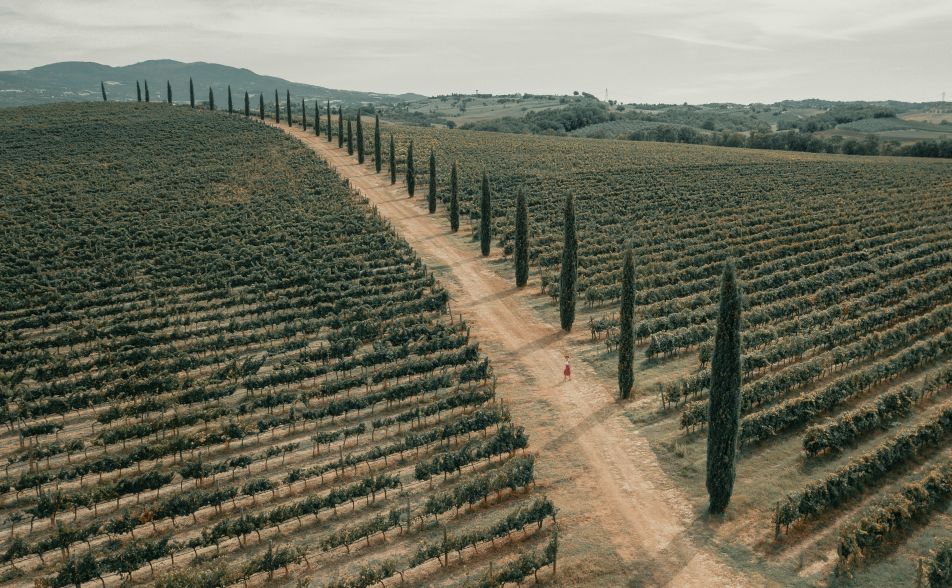
Spring in Tuscany changes quickly. March can feel cool and unsettled, while May often feels much closer to early summer. That progression makes spring appealing, but it also makes month choice unusually important.
The countryside gains color early. Hills turn greener, flowers appear, and longer daylight gradually expands what fits comfortably into each day. Visit Tuscany also highlights spring as a strong season for gardens, walking, cycling, villages, and outdoor experiences.
Weather remains the main tradeoff. March tends to bring more rain, while April mixes wet and sunny days. May usually becomes warmer and more dependable, although no spring month guarantees perfect conditions.
That uncertainty should shape the itinerary. Keep one strong indoor option available each day, especially in Florence. Then use gardens, village walks, and countryside stops when the weather cooperates.
Spring also affects what you expect from rural hotels. A beautiful pool photograph does not mean the pool opens in April. Confirm seasonal pool dates, heating, restaurant schedules, and outdoor services before choosing a countryside property.
The same applies to terraces and gardens. An outdoor space can look wonderful online yet feel chilly after sunset. Layers matter, particularly during March and April.
For many couples, spring works because the compromises remain manageable. You accept some weather uncertainty in exchange for greener landscapes and comfortable sightseeing conditions. That can be a very good bargain.
Spring rewards flexibility more than certainty. Plan enough structure to protect important experiences. Leave enough space to take advantage of a beautiful day when one appears.
March and April: Beautiful, Quieter, and Less Predictable
March suits couples comfortable with uncertainty. Mornings can feel cool, rain remains possible, and evenings often require warmer layers. Visit Tuscany notes that March can be rainy and colder than later spring months.
The benefit is a quieter rhythm. Major cities still require planning, but the overall season has not reached late-spring demand. Landscapes also begin changing noticeably as winter loosens its grip.
April moves the season forward. Warmer afternoons become more common, gardens gain color, and outdoor sightseeing feels easier. Rain can still interrupt plans, so waterproof shoes and a light rain layer remain useful.
Easter can change that quieter picture. Florence and other major destinations attract additional visitors around holiday events and religious celebrations. Treat Easter week separately instead of assuming every April date behaves the same.
A weather-flexible Florence day works well during these months. Reserve one museum, then leave the second half adaptable. Gardens or a neighborhood walk can fill the afternoon when conditions cooperate.
That approach protects your investment without overcommitting the day. It also supports the slower pacing described in Why Slow Travel Feels Better After 50. Flexible afternoons become especially valuable when weather changes faster than your reservation calendar.
Rural stays require another level of checking. Confirm pool opening dates instead of assuming warm afternoon temperatures guarantee access. Ask whether outdoor dining, spa facilities, and seasonal restaurants operate during your exact stay.
Mud can also affect countryside walking. Gravel roads, vineyard paths, and gardens may feel very different after several wet days. Build one easier alternative rather than forcing the original plan.
For current spring inspiration, the official Tuscany spring guide offers useful seasonal ideas. Gardens, wine routes, villages, and outdoor experiences all feature prominently.
May: The Strongest Spring Choice for Many Couples
May often provides the most balanced spring experience. Days grow longer, countryside color remains strong, and outdoor time becomes easier to use. Visit Tuscany specifically describes May as one of its best months for scenery and village exploration.
Temperatures also become friendlier for longer walking days. The official regional guidance places typical spring daytime warmth broadly between 15°C and 25°C. Local conditions still vary by elevation, coast, and year.
That combination suits many first-time couples. Florence sightseeing feels manageable, while countryside lunches and scenic drives become more comfortable. Gardens also become an increasingly important part of the seasonal experience.
Protect the Experiences That Matter Most
Early May can feel somewhat easier than late May. Demand generally builds as summer approaches, especially around desirable weekends and popular properties. Do not assume shoulder season means last-minute access to everything you want.
Premium hotels still have limited room categories. Great guides only work with one group at a time. Popular restaurants also remain finite, regardless of how much flexibility your budget provides.
The practical lesson is simple. Book the experiences you truly care about, then leave secondary choices open. That approach protects quality without turning the trip into another fully managed calendar.
May travelers should still pack for variation. Bring light layers, a rain shell, comfortable walking shoes, and something warmer for evenings. Spring can provide sunshine at lunch and a jacket-worthy dinner later.
Pollen may also matter for sensitive travelers. Green countryside and flowering gardens come with obvious seasonal consequences. Medication and realistic outdoor pacing can prevent a beautiful landscape from becoming unnecessarily uncomfortable.
Before choosing May, ask what you value most. Green landscapes and mild walking weather may outweigh occasional rain and growing demand. If so, May can offer one of Tuscany’s strongest seasonal combinations.
June changes the equation again. Longer days remain, but heat and visitor demand begin carrying more influence. Spring’s uncertainty fades while summer’s tradeoffs move closer to center stage.
Summer in Tuscany: Long Days With Real Heat and Crowds
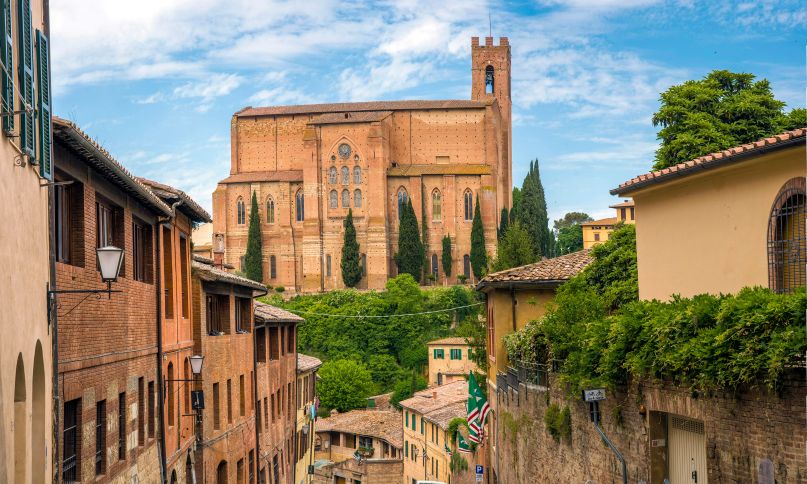
Summer gives Tuscany tremendous energy, but it also changes how intelligently you should structure each day. Long daylight supports late dinners and evening walks. Pools, outdoor restaurants, festivals, and countryside properties also become easier to enjoy.
The tradeoff arrives with heat and demand. Tuscany’s official tourism guidance identifies mid-June through August among its busiest periods. July and August can also bring temperatures that make long midday walking uncomfortable. Tuscany’s official month-by-month weather guidance
Florence deserves particular respect during summer. Historical climate data shows July and August as its hottest months. Those numbers describe long-term patterns, not a forecast for your specific trip. Florence historical climate data
Heat should change the itinerary rather than simply becoming something you endure. Schedule demanding walking earlier, protect the middle of the day, and return outside later. That rhythm can make summer surprisingly enjoyable.
Crowds require a similar adjustment. Reserve priority museums, guides, and restaurants earlier than you might during quieter periods. Leave secondary activities flexible so the calendar does not become another source of pressure.
Summer also raises the value of practical hotel features. Reliable air conditioning, shade, pools, and convenient dining may matter more than another decorative upgrade. Comfort becomes part of the experience rather than something you address after becoming exhausted.
Summer Tuscany works best when the itinerary respects the temperature. Fighting the season rarely produces a better trip. Designing around it can.
June: Long Evenings Before Peak-Summer Intensity
June offers many summer advantages before July and August become the dominant comparison. Days stretch late, outdoor dining becomes easy, and countryside hotels usually operate fully. Temperatures can still become genuinely hot, particularly later in the month.
Early June generally gives you a better chance of comfortable daytime exploration. Late June moves closer toward peak-summer conditions and stronger demand. Neither period deserves an “uncrowded” label.
Build Your June Day Around the Temperature
A good June day starts earlier than many vacationers initially imagine. Reserve the major museum for morning, then stop for a proper lunch. Return to your hotel during the warmest afternoon hours when necessary.
That hotel break is not lost sightseeing time. Shower, rest, swim, read, or simply escape the hottest part of the day. Then return outside when Florence begins feeling more comfortable again.
Dinner can become one of June’s best advantages. Longer evenings make outdoor meals and post-dinner walks easier to enjoy. You can experience more without demanding constant activity from your body.
This structure becomes especially useful during a Florence stay. Walking several miles between museums, churches, and neighborhoods adds up quickly. Heat magnifies the effort even when individual distances look reasonable.
The countryside changes the equation somewhat. A property with shaded outdoor areas and a good pool can make afternoon downtime genuinely enjoyable. On-site dining becomes particularly valuable when nobody wants another drive after a long sightseeing day.
Still, do not assume every beautiful countryside hotel handles summer equally well. Confirm air conditioning, pool availability, room location, and restaurant schedules before booking. Historic character loses some charm when the bedroom refuses to cool.
Couples planning busy summer days may benefit from reconsidering how much belongs on the schedule. Our guide to why doing less can improve luxury travel addresses that problem directly. One excellent morning experience can carry more value than three increasingly tired ones.
June remains a strong option for many first-time visitors. Just remember that “before peak summer” does not mean cool. Ask how much of your day you are willing to organize around temperature.
July and August: Plan Around the Day, Not Against It
July and August require more deliberate pacing. These are Tuscany’s hottest months, and major destinations can feel crowded. Museums, popular restaurants, and famous towns also face heavier visitor pressure.
Start sightseeing early whenever possible. Use mornings for outdoor walks, hill towns, gardens, and major attractions. Save long lunches, shaded interiors, or hotel recovery for the middle hours.
Make Midday Recovery Part of the Plan
Hydration deserves planning rather than good intentions. Carry water before you need it and replace it throughout the day. Comfortable shoes, breathable clothing, and sun protection matter more than looking perfectly dressed for every photograph.
A central Florence hotel becomes especially valuable during peak heat. You can return easily without losing an hour to transportation. Reliable air conditioning deserves direct confirmation rather than assumption, particularly in older buildings.
Countryside travelers face different considerations. A pool can transform a hot afternoon, especially when paired with shade and nearby dining. However, swimming does not erase an overloaded morning schedule.
Avoid stacking several hill towns into one summer day. Each involves parking, walking, stone streets, slopes, and substantial sun exposure. Adding wineries and a fixed dinner afterward can turn enjoyment into endurance.
Instead, choose one meaningful anchor. Explore a village early, enjoy a long lunch, then return to the property. Head back outside later if both of you genuinely want more.
August Changes the Schedule
August adds another wrinkle. Some Italian businesses traditionally close during part of the month, particularly around the Ferragosto holiday period. Verify restaurants, shops, wineries, and smaller experiences before assuming normal schedules.
Do not interpret closures as a reason to avoid August automatically. Pools, festivals, long evenings, and lively summer atmosphere can still make the month appealing. The question is whether those benefits outweigh heat and reduced flexibility for you.
This is where couples should compare priorities directly. One partner may happily reorganize each day around a pool and late dinner. The other may dislike heat enough that museums and hill towns become noticeably less enjoyable.
Neither preference needs correcting. If heat strongly affects either traveler, shifting to June or another season may protect the trip better. Spending more money cannot purchase cooler streets in Florence at three o’clock.
Autumn changes that equation considerably. Temperatures begin easing, vineyards mature, and the table changes with the season. Harvest brings its own planning surprises, but Tuscany starts offering a different kind of abundance.
Autumn in Tuscany: Harvest Energy and Shortening Days
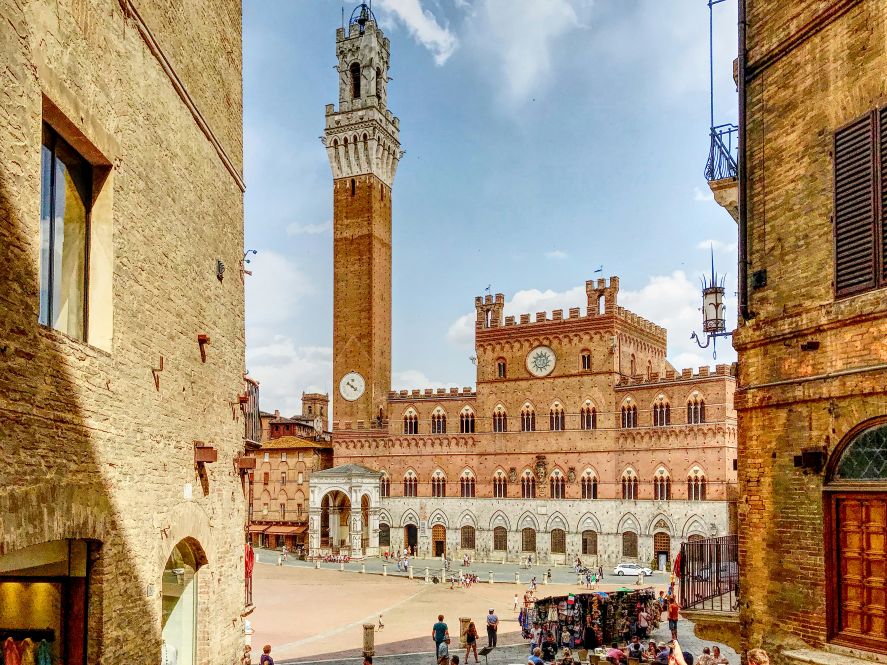
Autumn changes Tuscany in stages rather than all at once. September can still feel distinctly summery, while November creates a quieter, cooler trip. October sits between them, mixing harvest traditions with increasingly changeable weather.
This season especially rewards travelers interested in food and wine. The official Tuscany autumn guide highlights vineyards, truffles, chestnuts, countryside, and medieval towns. Those experiences develop at different times across the region.
That distinction matters when choosing dates. Grape harvests depend on location, grape variety, weather, and vineyard decisions. Autumn color, truffles, mushrooms, and olive harvests follow their own calendars.
Do not choose one September week because a photograph showed golden vines. Likewise, avoid assuming November automatically means empty restaurants and bargain rooms. Tuscany remains a working region, not a seasonal stage set.
For many couples, autumn succeeds because meals naturally become part of the sightseeing. Lunch can stretch longer without feeling like lost time. Wine, seasonal ingredients, and village life provide reasons to slow the itinerary.
However, daylight steadily shortens. Rain also becomes a larger consideration as the season progresses. Build outdoor plans around reasonable margins instead of assuming summer scheduling still works.
Harvest season feels romantic because real work, real food, and real weather all arrive together.
September: Warm Days, Active Vineyards, and Continuing Demand
September can offer an appealing combination of warmth and countryside activity. Vineyards are mature, grape harvest may be underway, and outdoor dining remains attractive. Popular cities and hotels can still feel very busy.
Early September often retains more summer character. Warm afternoons can require the same midday pacing you would use in June. Pools may still hold real value during countryside stays.
Later September generally begins moving toward gentler temperatures. Evenings can feel cooler, while daylight starts contracting more noticeably. Packing light layers becomes more useful than pretending the calendar has changed seasons overnight.
Demand remains important throughout the month. September should not automatically be treated as a quiet shoulder-season bargain. Desirable countryside properties, guides, restaurants, and wine experiences can book well ahead.
Treat Harvest as a Working Season
Wine travelers should also understand what harvest actually means. Vineyards may look wonderfully atmospheric, but wineries are running an agricultural operation. Staff can be intensely busy during precisely the period visitors find most romantic.
That can affect tours, appointment times, production-area access, and tasting schedules. Never assume a winery offers harvest participation simply because grapes are being picked. Confirm exactly what your reservation includes.
One carefully chosen wine experience usually serves the day better. Avoid building an itinerary around several estates unless driving distances and tasting responsibilities genuinely work. Harvest season does not improve when every tasting becomes a race.
Travelers staying in Florence can consider this small-group Tuscan countryside wine tasting tour. It currently includes transportation and visits to two Chianti wineries. The experience returns to Florence afterward.
Check the current meeting point, timing, winery availability, and inclusions before booking. The tour involves cellar stairs and is not wheelchair accessible. Dietary accommodations should also be confirmed when reserving.
September works particularly well when you want wine without surrendering comfortable outdoor time. Just keep expectations grounded. Harvest activity adds interest, but it does not promise unlimited vineyard access.
October and November: Food Traditions, Rain, and Quieter Evenings
October shifts attention from summer warmth toward autumn food and atmosphere. Tuscany’s seasonal offerings expand around mushrooms, chestnuts, truffles, grapes, and later olive harvests. The countryside also begins changing color more noticeably.
Early October can still support extensive touring. Restaurants, wineries, hotels, and attractions generally offer broader options than later autumn. Cooler temperatures can make Florence and hill-town walking considerably more comfortable.
As October progresses, weather becomes less predictable. Rain can affect vineyard paths, gravel roads, terraces, and countryside walks. Pack around flexibility instead of assuming every meal belongs outdoors.
Food becomes one of autumn’s strongest reasons to travel. Truffles feature prominently in several Tuscan areas, while chestnut festivals appear across mountain communities. Mushrooms and seasonal menus also become part of the experience.
Our guide to Tuscany food and wine experiences can help you decide where culinary experiences fit naturally. You do not need every meal to become an event. One memorable market, winery, cooking experience, or seasonal lunch may provide plenty.
November Changes the Shape of the Trip
November creates a more selective Tuscany trip. Days are shorter, wetter conditions become more likely, and some countryside businesses reduce seasonal operations. Florence and larger towns therefore become increasingly useful anchors.
That quieter rhythm can appeal to couples who value museums, restaurants, wine, and slower city time. Rural touring still works, but verify opening days carefully. A gorgeous countryside restaurant does little good when it closes during your stay.
November also makes daylight planning more important. Scenic drives and hill towns work better when you finish before darkness complicates unfamiliar roads. Long, leisurely evenings then become an advantage rather than something squeezed behind sightseeing.
Avoid building the trip around foliage timing. Autumn color depends on weather, elevation, and specific landscapes. No booking strategy can guarantee the exact week Tuscany turns the shade you pictured.
Use the same caution with harvest expectations. Grape picking, olive harvests, and truffle conditions vary across locations and years. Build the trip around experiences you will enjoy even if nature ignores your spreadsheet.
Ask yourselves which autumn image actually matters more. Maybe it is a lively vineyard lunch during September. Perhaps it is an October market, truffle dish, cooler walk, or quiet November dinner.
That answer separates three very different autumn trips. September favors warmth and vineyards, October balances food with outdoor exploration, and November favors quieter cultural travel. When harvest activity fades, Tuscany does not disappear. It simply becomes a more selective kind of trip.
Winter in Tuscany: Better for Cities Than a Countryside Fantasy
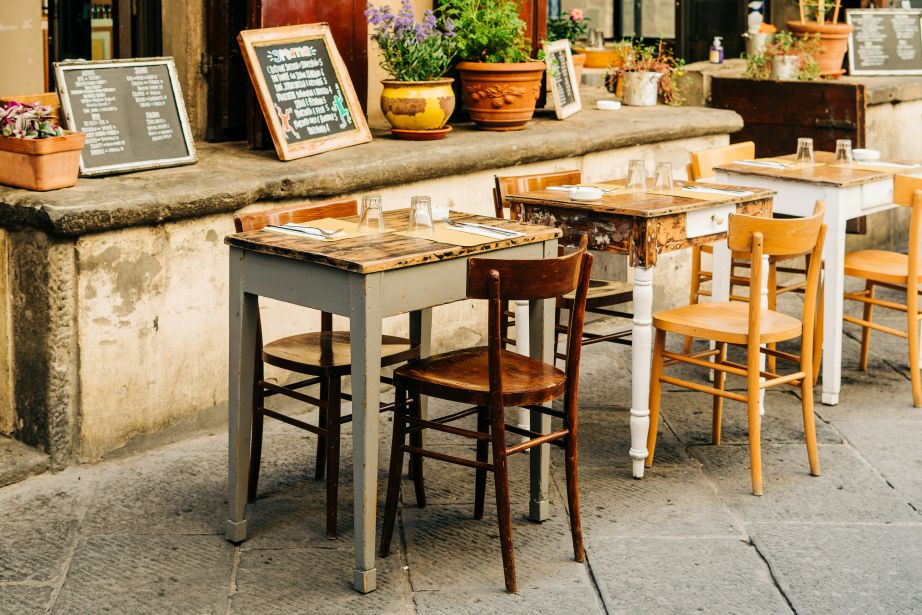
Winter changes the purpose of a Tuscany trip more than any other season. December through February favors museums, churches, restaurants, and city life. Rural Tuscany can still work, but only when you verify what actually operates.
Temperatures stay cooler, daylight runs shorter, and rain can interrupt outdoor plans. Regional weather guidance identifies December, January, and February as Tuscany’s coolest months. Christmas also creates a separate period of stronger demand.
That does not make winter a poor choice. It simply rewards travelers who want culture, food, and quieter streets more than pool time. Florence becomes especially practical because strong indoor options remain available.
The countryside asks for more caution. Some smaller hotels, restaurants, tours, and seasonal services reduce hours or close temporarily. A romantic remote estate loses value quickly when dinner requires another long drive.
Winter also changes what comfort means. Reliable heating, an easy location, nearby dining, and simple transportation matter more than a dramatic terrace. The view still counts, but you may admire it through glass.
Winter Tuscany works when culture is the plan, not the consolation prize. That standard keeps expectations realistic. It also turns winter into a deliberate choice.
December and January: Museums, Holiday Atmosphere, and Quiet Streets
December can feel festive rather than sleepy. Holiday lights, seasonal markets, churches, museums, and winter dining give cities plenty of life. However, Christmas and New Year can also create closures and stronger visitor demand.
January usually feels quieter after the holiday period. That can suit couples who value museums, long lunches, and fewer competing plans. You still need warm clothing, rain protection, and realistic daylight expectations.
Florence makes an excellent winter base because weather rarely destroys the entire day. Start with one reserved museum, then build the rest around food and neighborhoods. Keep another indoor option available if rain becomes persistent.
The Uffizi Galleries’ official visitor information currently lists regular opening from Tuesday through Sunday. The museum closes on Mondays, January 1, and December 25. Always confirm current schedules before finalizing holiday plans.
A comfortable winter day might begin with that museum. Follow it with a long lunch and artisan shopping nearby. Finish with an early concert, church visit, or relaxed dinner before the evening turns colder.
This pace can feel intentional rather than limited. You are not waiting for summer activities to return. You are building the trip around what winter does particularly well.
December and January also reward central hotels. Shorter walks reduce exposure to rain and cold. Easy access to restaurants can matter more than panoramic grounds you rarely use.
The same principle applies beyond Florence. Siena and other larger towns offer cultural depth without requiring perfect outdoor conditions. Still, verify Sunday, holiday, and seasonal hours before traveling across the region.
If culture matters more than vineyard scenery, winter deserves genuine consideration. The trip simply needs a different identity. That distinction becomes even more important once February and rural stays enter the picture.
February and the Countryside Reality
February can still support a rewarding city-focused trip. Days slowly lengthen, but winter conditions remain part of the experience. Countryside travel therefore requires more deliberate verification than city travel.
Rural hotels may operate selectively or close during quieter weeks. Restaurants and tours can follow reduced schedules too. Pools, terraces, and garden-centered stays usually provide far less value than warmer seasons.
Before booking an estate, confirm heating, dining, transportation, and exact operating dates. Ask whether the restaurant serves every night during your stay. Also check whether nearby alternatives open when the hotel does not.
A well-located Florence hotel creates a different kind of security. Museums, cafés, restaurants, taxis, and indoor attractions remain easier to reach. An isolated property may require more driving when daylight and weather provide less flexibility.
Lower room rates can look attractive during winter. Price alone, however, does not create value. A cheaper stay becomes expensive when the experiences you wanted remain unavailable or inconvenient.
Ask yourselves one direct question before choosing rural Tuscany. Would you still enjoy the trip without pool time, long terrace evenings, or dependable outdoor days? If the answer is no, another season will probably serve you better.
Couples who answer yes may enjoy a quieter version of Tuscany. Long lunches, cooking experiences, museums, churches, and regional food can carry the itinerary. Keep scenic drives flexible instead of treating them as mandatory.
Weather also behaves differently across Tuscany. Florence, hill towns, coastal areas, and mountain communities do not share identical winter conditions. Season matters, but geography can change the answer before the calendar does.
That distinction leads naturally into the next planning question. Identical winter dates can create very different trips across Tuscany. Your calendar matters, but your map may matter first.
The Same Month Feels Different Across Tuscany
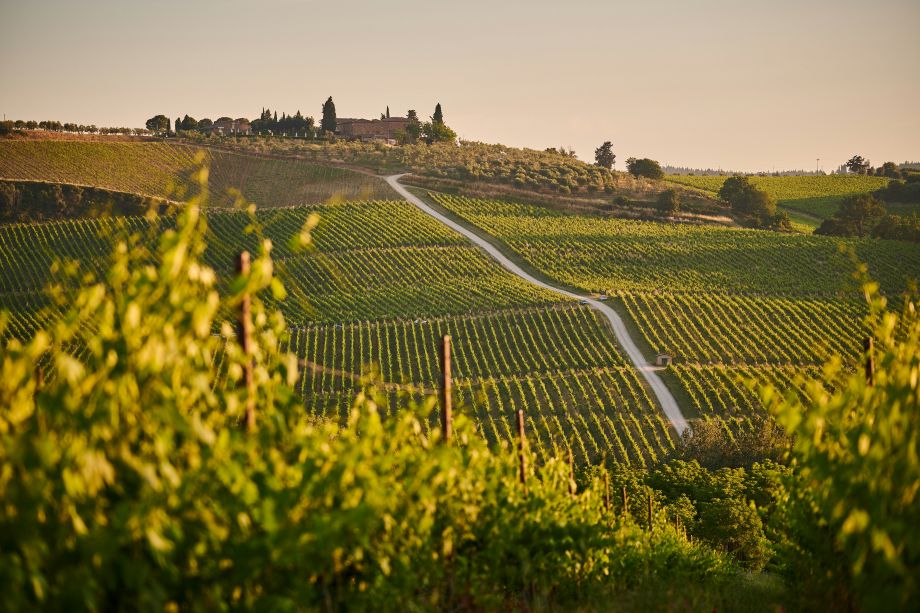
Tuscany covers cities, valleys, hills, mountains, and coastline, so one forecast rarely tells the whole story. Florence may feel hot while higher towns cool faster after sunset. Coastal areas can add breeze, while inland roads may stay warm and still.
That difference matters when choosing hotels, clothes, and daily plans. A July afternoon in Florence demands different pacing than an evening in Siena. February also feels different beside the coast than in higher inland areas.
Temperature alone cannot explain comfort. Sun exposure, stone streets, elevation, wind, humidity, and walking distance all change how a day feels. The same number on a forecast can produce very different experiences.
Use regional information instead of relying on one city average. Consorzio LaMMA’s climate and energy resources provide useful regional context for planning. Check your actual destinations again shortly before traveling.
Tuscany does not experience one season in one way. Treat each base as its own planning decision. That habit prevents packing mistakes and unrealistic activity schedules.
Florence, Siena, and the Hill Towns
Florence can hold heat during summer, especially across paved streets and heavily built neighborhoods. Shade becomes valuable quickly. A central hotel can also make afternoon recovery much easier.
Siena and other hill towns introduce different challenges. Elevation and breezes may improve evening comfort, but steep streets increase physical effort. Stone surfaces can also reflect heat during exposed daytime walks.
Imagine the same July date in both cities. In Florence, reserve a morning museum and protect the hottest afternoon hours. Return outside later for dinner and a relaxed walk.
In Siena, an early start still makes sense. However, hills may matter as much as temperature. A shorter route with fewer climbs can feel better than a longer sightseeing list.
Cooler evening air does not guarantee easy walking. Cobblestones, slopes, stairs, and long approaches still demand energy. Couples should judge comfort by the entire route, not only the forecast.
That becomes especially important after 50. One partner may tolerate heat but dislike steep climbs. The other may prefer hills yet struggle with long periods in direct sun.
Plan around the person who faces the greater limitation that day. Nobody wins when one traveler spends dinner recovering from an avoidable afternoon. Comfort protects shared enjoyment better than squeezing in another viewpoint.
Countryside, Mountains, and the Tuscan Coast
Rural Tuscany introduces distance and operating schedules into the weather equation. Rain can affect gravel roads, vineyard paths, and scenic drives. Fog can also change visibility across valleys and higher routes.
Countryside hotels require seasonal verification. Confirm pools, dining, air conditioning, heating, and transportation before booking. A remote property becomes inconvenient quickly when key services operate only on selected dates.
Mountain areas differ again. Higher elevations can bring cooler temperatures and faster weather changes. Hiking plans therefore need more conservative timing and better clothing than lower wine-country touring.
The Tuscan coast creates another pattern. Summer supports beach stays, ferries, outdoor dining, and heavy seasonal demand. Winter can feel much quieter, with some businesses reducing hours or closing.
A coastal breeze may improve comfort during hot weather. It does not guarantee mild conditions everywhere or every day. Wind can also affect boat trips and beach plans.
Verify the Seasonal Pieces Your Trip Depends On
Ask whether your trip depends on seasonal features. Pools, beaches, ferries, hiking, terraces, and outdoor restaurants all deserve separate verification. Do not assume regional availability simply because one nearby town looks active.
This is where a single Tuscany weather average becomes misleading. Your route may cross several elevations and operating patterns during one week. Pack and plan for the actual places you will visit.
Before travel, check forecasts for each overnight base and major day-trip area. Review road conditions and seasonal services where those matter. A ten-minute check can prevent a surprisingly expensive wrong assumption.
Geography also changes demand. Florence can stay busy while a coastal town feels quiet, or the reverse during beach season. The same month can therefore produce very different prices and reservation pressure.
That leads to the next important question. Shoulder season does not arrive everywhere at the same time. Once geography enters the decision, the idea of one universally quiet month becomes much harder to defend.
Crowds, Prices, and Availability Do Not Move Together
Tuscany does not follow one neat seasonal pricing curve. Crowds can ease while desirable rooms remain scarce. A quieter month can still produce expensive weekends or limited guide availability.
That matters because value is larger than the nightly hotel rate. Location, access, comfort, and usable time all affect what you actually receive. Saving money can become expensive when it creates extra transfers or daily inconvenience.
May, September, and October often attract travelers precisely because conditions can feel appealing. That popularity can keep demand strong even outside peak summer. Shoulder season no longer means empty hotels and spontaneous everything.
Premium room categories usually disappear before ordinary rooms. Small boutique properties also have fewer chances to recover once certain dates sell out. The same applies to private guides and small-group experiences.
A cheaper room farther outside Florence may look sensible. However, repeated taxis, longer walks, and lost time can erase the apparent savings. Paying more for location sometimes buys back hours you actually enjoy.
That does not mean expensive always equals better. It means the comparison should include convenience, cancellation terms, transportation, and daily energy. Judge the whole trip instead of one line item.
Quieter does not always mean cheaper, and expensive does not always mean easier. The useful question is whether the purchase protects what matters most. That shift usually leads to better decisions.
The Shoulder-Season Secret Is No Longer a Secret
Many travelers now target spring and autumn for milder weather. That concentrates demand around the same attractive weeks. May and early autumn can therefore feel busy without looking like traditional peak summer.
Protect the most constrained pieces first. Secure the room category, guide, museum access, or wine experience you care about most. Leave ordinary meals and flexible afternoons for later.
This approach matches the broader value shift explored in why more empty nesters are choosing experiences over things. The point is not spending more. It is spending where the experience improves meaningfully.
A central hotel can be one example. Another is a private guide who turns limited museum time into something richer. A small tour may matter more than a decorative room upgrade.
Still, do not reserve everything early simply because you can. Flexibility also has value. Keep less important choices open when demand does not justify locking them down.
Price comparisons also deserve context. A refundable central room may cost more than a prepaid suburban alternative. Yet better location and flexible terms can protect both time and money.
Think about what you notice every day. Room location affects every morning and evening. A slightly cheaper souvenir or meal rarely carries that same influence.
Couples should decide together which purchases deserve protection. One partner may value location while the other values a particular experience. Knowing that early prevents resentment disguised as budgeting.
A useful test is simple. Ask which reservation you would genuinely regret losing. Book that first, then let lesser choices remain flexible.
Events, Weekends, and Harvest Can Rewrite the Calendar
Seasonal averages become less useful when a major event lands on your exact dates. Festivals, religious holidays, races, concerts, fashion events, and harvest activity can reshape demand quickly. One weekend can behave very differently from the next.
The official Tuscany annual events guide provides a useful starting point. Tuscany hosts major events throughout the year. Exact dates still require verification for your travel year.
Florence provides a good example of uneven demand. Museum reservations may matter months before travel, while some restaurant decisions can wait. A countryside wine day may require its own schedule because wineries control appointment availability.
Harvest periods add another layer. Visitors may want vineyard experiences precisely when producers are busiest. That can reduce flexibility even when the surrounding countryside feels less crowded.
Weekends can also behave differently from midweek stays. A festival can increase hotel rates, restaurant pressure, traffic, and street activity. The same event may also create exactly the atmosphere you hoped to experience.
That is why airfare should not be the only first decision. Check your likely cities and countryside bases before locking dates. A cheap flight loses appeal when it lands on an inconvenient event weekend.
Look at hotel availability before paying too. Then check major museum access, important guides, and any must-have wine experiences. This quick review can expose problems while your dates remain flexible.
You do not need to eliminate every event or busy period. Some will improve the trip. The goal is understanding what your chosen dates actually contain.
The useful question is no longer which month wins. Ask which dates best protect your priorities, comfort, and time together. That framework makes the next decision much clearer.
Choose Your Best Month With a Simple Priority Test
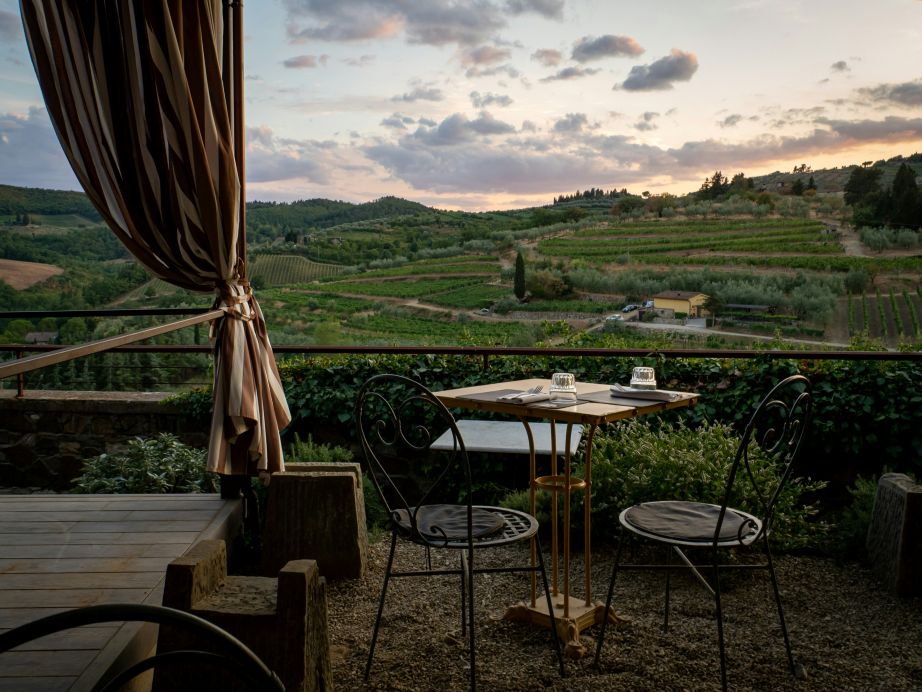
After comparing Tuscany season by season, the decision should become simpler, not more intimidating. You do not need a perfect month. You need a travel window that protects what both of you care about most.
Start by choosing three priorities each. One person may value mild walking weather, while the other cares most about wine and outdoor dinners. Neither list needs to match.
Then look for overlap instead of forcing one preference to win. Two good travel windows often serve a couple better than one perfect week. Flexibility gives you room to compare flights, hotels, guides, and exact event dates.
This matters because weather never follows a brochure. Prices and availability also change by location, weekend, and event. Treat every seasonal recommendation as a planning starting point, not a guarantee.
A flexible countryside day can illustrate the point. This private Val d’Orcia tour runs about ten hours from Florence. It includes Montalcino, Pienza, Montepulciano, and scenic stops.
That itinerary may feel appealing during long, comfortable days. Hot weather, rain, shorter daylight, or limited mobility can change its value considerably. Confirm current pickup, timing, walking demands, and inclusions before booking.
You do not need identical preferences. You need dates that protect what matters to both of you. That principle matters more than chasing one perfect month. It also gives both partners equal weight in the decision.
Best Travel Windows by Priority
Use this comparison as a shortlist, not a prediction. Tuscany can surprise you in any month. Your exact route matters as much as the season.
| Priority | Strong Starting Window | Why It Fits | Tradeoff to Accept |
|---|---|---|---|
| Balanced first trip | May or late September | Broad experience access and useful daylight | Strong demand and variable conditions |
| Art and city culture | April, October, or winter | Cooler walking and museum days | Rain, shorter daylight, or closures |
| Wine and harvest | Late September through October | Active vineyards and seasonal food | Winery flexibility and strong demand |
| Pools and long evenings | June through August | Warm weather and full resort season | Heat, crowds, and higher prices |
| Quiet city experience | January or February | Lower visitor pressure | Cold weather and rural limitations |
| Gardens and green scenery | April through May | Fresh landscapes and spring growth | Rain and holiday demand |
| Coastal stays | June through September | Beach weather and seasonal services | Summer demand and hotter inland travel |
Conflicts become clearer when you see them together. Harvest lovers may accept tighter winery schedules. Pool lovers may trade cooler walking for warm afternoons and long evenings.
Art-first travelers often gain more from cooler months than from summer weather. Walking between museums, churches, and restaurants becomes easier. Rain matters less when strong indoor alternatives already fit the trip.
Summer deserves equal consideration when it matches your priorities. A countryside stay built around a pool and late dinners can work beautifully. It simply needs a different rhythm than an art-heavy Florence itinerary.
Winter deserves the same fairness. Couples who value museums, restaurants, and quiet city time may enjoy January more than July. A lower temperature is not automatically a worse vacation.
Before choosing, compare your three priorities side by side. Circle the two windows that satisfy the most shared needs. Then use the final self-check to expose the compromises hiding underneath.
The Seven-Question Couple’s Self-Check
Now test those two windows against real travel preferences. Answer separately first, then compare. Different answers are useful because they reveal what needs protecting.
- How much heat can each of us comfortably tolerate during several hours of walking?
- How willing are we to adjust plans when rain changes an outdoor day?
- How much crowding can we tolerate before museums, streets, or restaurants stop feeling enjoyable?
- How much walking, climbing, and standing do we realistically want on consecutive days?
- How important are wine, harvest activity, and seasonal food to the purpose of this trip?
- How important are pools, terraces, beaches, and long outdoor evenings?
- How flexible are our travel dates if a better week improves comfort, access, or value?
Your answers may point toward May for balanced spring conditions. Late September often suits warmth and wine, while October favors food and cooler exploration. Winter can suit couples placing city culture above countryside activity.
The harder question concerns compromise. Which inconvenience can you manage without resentment? Heat, rain, crowds, closures, or shorter daylight affect people very differently.
One partner should not quietly surrender every preference. A shared two-window shortlist creates space for both people to matter. That approach also reflects how empty nest travel can help couples reconnect through shared decisions and slower time.
Once you have two windows, compare real flights and lodging before choosing. Check important museums, must-have guides, winery appointments, and meaningful events. Let actual availability break the tie instead of chasing theoretical perfection.
May, late September, October, and winter each serve different travelers well. The right answer depends on the experience you want to protect. Choosing a strong month helps, but the itinerary must still respect that season.
Timing Mistakes That Can Undo the Right Season
Choosing the right season solves only part of the Tuscany puzzle. A smart May itinerary can still feel exhausting. An October trip can disappoint when every important plan depends on sunshine.
The problem usually is not the month. It is an itinerary that assumes averages will behave like promises. Weather, operating schedules, and personal energy rarely cooperate that neatly.
The mistake often appears harmless during planning. A forecast icon looks manageable, or a hotel photo suggests every seasonal feature will operate. Then one assumption removes the flexibility that made the chosen month appealing.
Couples should also compare tolerances before locking the calendar. One person may accept rain but dislike heat, while the other feels opposite. Build around the condition most likely to damage shared enjoyment.
Before paying for anything nonrefundable, test the plan against one imperfect day. Ask what happens if rain arrives, temperatures climb, or one partner needs more rest. A good itinerary should bend without breaking.
Five Mistakes Most Couples Make
- Treating climate averages like a forecast. Historical averages help compare seasons, but they cannot predict your travel week. Check current forecasts shortly before departure and keep important outdoor plans adjustable.
- Assuming the hotel pool will be available. A beautiful pool photograph says nothing about opening dates, heating, or weather policies. Confirm those details directly before choosing a property partly for swimming.
- Overloading hot days. Florence museums, hill towns, winery visits, and evening reservations can become miserable when stacked together. Start earlier, reduce walking, and protect the hottest afternoon hours for lunch or rest.
- Treating harvest like a scheduled visitor attraction. Grape harvest depends on weather, vineyard decisions, and agricultural needs. Confirm winery access and experiences instead of expecting relaxed participation everywhere.
- Building no rain alternative. A completely outdoor day becomes fragile when conditions change. Reserve one meaningful indoor option and keep restaurants, museums, spas, or culinary experiences available.
These corrections do not require more planning for planning’s sake. They simply protect the reason you chose that season. Flexibility usually costs less than replacing a prepaid experience you no longer want.
Look at each hotel base before finalizing your calendar. Identify one indoor option, one flexible meal, and one activity you can move. That small exercise reveals whether your itinerary can handle real weather.
Exact dates still need another check before money becomes difficult to recover. Confirm seasonal hotel services, tour operations, attraction schedules, and cancellation terms. A weather app cannot answer any of those questions.
Build One Weather-Proof Day Into Every Base
A weather-proof day should still feel like Tuscany. Start with one reserved indoor experience that genuinely interests both of you. Leave the rest adjustable around weather, energy, and appetite.
In Florence, that anchor might be a museum or cooking experience. This Tuscan farmhouse cooking class with a Florence market visit can provide substantial indoor time. Confirm current transportation, dietary support, walking demands, and cancellation terms before booking.
A long lunch can serve the same purpose without becoming a consolation prize. So can a spa afternoon or another museum. The goal is enjoying the changed day instead of waiting for sunshine to rescue it.
Countryside bases need their own version. Keep a cooking experience, spa, winery, or leisurely meal available when rain limits scenic walking. Our guide to Tuscany food and wine experiences offers additional ideas for meaningful indoor time.
Compare that structure with a fully prepaid outdoor schedule. The flexible version gives weather less power over your mood. It also gives either partner permission to slow down without ruining the day.
Picture rain tapping against the window after breakfast. You can cancel half the day in frustration, or shift toward something you already wanted. That difference comes from planning for possibility rather than perfection.
A backup plan should still feel like Tuscany, not like waiting for Tuscany to return. Build one into every base. Then reduce your calendar to two realistic windows and verify both before committing.
Turn Your Preferred Season Into Exact Travel Dates
Choosing a season narrows the problem, but it does not finish the decision. Now compare two realistic travel windows instead of chasing one perfect week. That keeps flexibility alive while you measure what actually matters.
Start with the trip you want, not the cheapest airfare. Compare weather history, daylight, events, hotel availability, flights, and your priority experiences. A lower fare can lose value quickly if it creates poor arrival times or inconvenient hotel choices.
For example, May and late September can both suit a Florence-and-countryside itinerary. May usually offers greener landscapes and spring energy. Late September brings warmer vineyard scenery and stronger wine-season appeal.
Those windows can differ significantly once you check the details. One may offer better room categories, while the other has stronger flight times. A favorite winery, guide, or museum time may also shift the balance.
Look beyond availability and compare how each window changes your daily rhythm. Longer daylight may support later countryside drives. Cooler temperatures may matter more when several days include substantial walking.
Events can change the equation as well. A festival weekend might create wonderful atmosphere while increasing traffic and hotel demand. Decide whether that tradeoff adds value for both of you.
Use official regional weather history for context, not prediction. The Visit Tuscany weather guide explains seasonal patterns across the region. Then check actual forecasts again shortly before departure.
Choose the dates that support the trip, then build the trip around what those dates do well. The idea removes unnecessary pressure. You are comparing workable choices instead of predicting weather months in advance. That difference matters.
Use a Two-Window Comparison Before Booking
Give each travel window the same test. Compare total trip cost, hotel location, cancellation terms, daylight, major events, transportation, and must-have reservations. Do not let one attractive airfare number dominate the decision.
A May window may support long walking days and active gardens. However, rain remains possible, and popular hotels can still sell strongly. Pool operations may also vary by property.
Late September may better suit wine-focused travelers. Vineyards can feel active, while warm evenings often remain appealing. Yet harvest work can limit some winery schedules, and demand may remain high.
Check hotel availability before committing to flights. Compare the actual room categories you would choose, not simply whether any room remains. A poor room in the right hotel can still be the wrong purchase.
Then compare priority experiences. Look at museum access, private guides, winery appointments, restaurant operations, and countryside activities. If one window protects more important experiences, that difference deserves real weight.
Pool availability deserves attention when a countryside hotel depends heavily on outdoor living. Some properties open pools only during defined seasonal periods. Confirm exact dates rather than assuming warm weather guarantees access.
Use the same logic for flights. A slightly higher fare with better arrival times can return usable vacation time. A bargain that lands late or departs painfully early may cost more emotionally.
Compare the whole trip rather than separate prices. One window may cost slightly more but provide better rooms, easier flights, and stronger experience access. That can represent better value than the cheaper week.
At this stage, you should have two solid options, not endless possibilities. That is enough. The next step is verifying anything that can still change before you make money difficult to recover.
Final Seasonal Verification Checklist
Before finalizing nonrefundable arrangements, verify the basics that can change. Check passport validity and current entry guidance for your exact travel period. Confirm airline schedules before building tight transfers around them.
Review each hotel directly. Confirm climate control, pool dates, restaurant operations, parking, elevators, and luggage help where those features matter. A beautiful property becomes less useful when one essential service is unavailable.
Check attraction hours through official sources. The Uffizi’s official visitor page lists current opening times, closures, accessibility information, and visitor notices. Use the same approach for every major museum or attraction.
Verify tours with the actual provider. Confirm meeting points, transportation, walking demands, cancellation terms, seasonal changes, and dietary limitations. Do not rely on an old screenshot or a six-month-old itinerary note.
Rail and driving plans deserve another look too. Recheck train schedules, rental locations, road guidance, and likely driving conditions closer to departure. Seasonal daylight can matter as much as distance on rural roads.
Restaurant operations deserve similar attention, especially outside summer. Rural restaurants may close on particular weekdays or reduce seasonal schedules. Confirm anything important enough to shape where you stay.
Test the Itinerary for Comfort
Finally, test the itinerary for comfort. Does each base contain one flexible half-day and one useful indoor alternative? Have you planned a reasonable response to the expected temperature?
Think about the answer together. One partner may happily walk in warm weather while the other needs longer midday breaks. Build around the more restrictive comfort level when that difference matters.
Good planning does not mean predicting Tuscany perfectly. It means choosing tradeoffs you can live with and building enough flexibility around them. That is a much more reliable kind of confidence.
When both windows pass this test, choose the one that better supports your shared priorities. The right season is not the one that photographs best. It is the one that lets both of you enjoy the Tuscany you came to experience.
The Best Time to Visit Tuscany Is the Time That Fits You Both
There is no single perfect month for Tuscany. Late spring and early autumn suit many couples because they balance comfort, access, and variety. Still, those periods are starting points, not universal answers.
Spring brings green landscapes, gardens, and comfortable walking conditions. Summer brings long evenings, pools, festivals, and the fullest warm-weather atmosphere. Autumn shifts the focus toward wine, food, harvest traditions, and cooler exploration.
Winter creates a different kind of trip. Florence, museums, restaurants, and cultural experiences move toward the center. Rural services become more selective, so countryside expectations need careful verification.
The useful question is not which season wins. Ask which season makes your preferred Tuscany easier to enjoy together. That answer will probably matter more than any average temperature chart.
One partner may care most about vineyard lunches and warm evenings. The other may value cooler walking weather and quieter museums. Neither preference needs to lose for the trip to work.
Make the Final Choice Together
Compare two realistic travel windows before committing. Check flights, hotel availability, important experiences, daylight, events, and likely weather patterns. Then discuss which compromises each of you would rather manage.
May might protect walking comfort and green scenery. Late September may better support wine interests and warmer evenings. October can strengthen food-focused travel, while winter may favor couples who prioritize cities and culture.
Do not expect the chosen month to remove every inconvenience. Rain can arrive in May, and September can stay hot. October can remain busy, while winter can limit rural choices.
Good planning does not eliminate tradeoffs. It chooses the tradeoffs that interfere least with what matters most. That is a more realistic definition of the best time to visit Tuscany.
Before booking, verify the details that could change your experience. Confirm hotel services, pool dates, museum hours, restaurant operations, transportation, and major events. Leave at least one flexible half-day for weather, energy, or an unexpected opportunity.
That flexibility also protects your time together. A beautiful trip can become unpleasant when every hour needs to go exactly right. Tuscany deserves better than a schedule requiring perfect cooperation from weather and human beings.
The right season does not make Tuscany perfect. It makes the Tuscany you value easier to experience together. That is the goal.
Continue Exploring
The Hidden Benefits of Traveling in Shoulder Season explains how quieter periods can affect comfort, access, atmosphere, and total value. It also examines why shoulder season varies by destination rather than following one universal calendar. Use it when spring or autumn remains on your shortlist.
Why Slow Travel Feels Better After 50 looks at why fewer transitions can create better travel days. The article focuses on pace, flexibility, energy, and experiencing places more deeply. It is especially useful when your Tuscany itinerary keeps growing.
Luxury Culinary Tour in Tuscany explores markets, tastings, wine regions, and food-focused experiences across Tuscany. Culinary priorities can strongly influence which season feels most rewarding. Read it before choosing dates mainly around food and wine.
Luxury Travel Planning for Couples explains why adding more can quietly reduce comfort and flexibility. Its planning framework helps couples protect the experiences they care about most. That becomes especially useful when seasonal daylight or heat limits each day.
Why More Empty Nesters Are Choosing Experiences Over Things looks at intentional spending around meaningful travel experiences. It encourages value decisions based on connection, curiosity, comfort, and lasting memories. That perspective can help when comparing expensive weeks against experiences that actually matter.
Once you have two preferred date windows, take one practical step together. Compare them against your pace, priorities, and must-have experiences. When you are ready, START PLANNING with the season and travel style that fit you both.
You can also join the Empty Nester Getaways Facebook group for ongoing travel conversations and practical questions. Compare travel windows, discuss Tuscany ideas, and hear how other empty nesters approach meaningful trips. Use those conversations as perspective, not instructions for copying someone else’s vacation.

Leave a Reply